


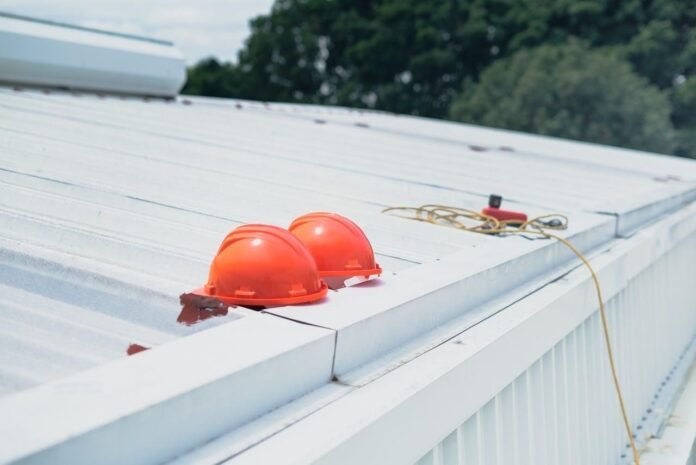
Selecting a new roof is one of the most significant investments a homeowner will ever make. It is a decision that impacts not only the curb appeal of the property but also its structural integrity, energy efficiency, and long-term resale value. With a vast array of materials ranging from traditional asphalt shingles to modern metal panels and clay tiles, the selection process can feel overwhelming. To ensure you make an informed choice that balances aesthetics with functionality, consider these five essential tips.
1. Prioritize Weather Resistance and Durability
The primary function of any roof is to provide a shield against the elements. Depending on your geographical location, your roof may need to withstand heavy snow loads, high winds, intense UV exposure, or torrential rain. For instance, metal roofing is increasingly popular in climates prone to extreme weather because of its fire resistance and ability to shed snow quickly.
Interestingly, the strength of modern roofing systems often depends on the quality of the tools and processes used during manufacturing. High-quality metal roofing components often require precision fabrication, where specialized industrial supplies like welding gas Toronto play a role in the creation of durable metal joints and flashing. When materials are crafted with professional-grade gases and high-standard welding techniques, they offer superior structural integrity, ensuring the roof remains leak-proof for decades.
2. Consider the Architectural Style of Your Home
While functionality is paramount, the visual impact of your roof cannot be ignored. The material you choose should complement the architectural era and style of your home. A rustic Tudor-style home might look best with thick wood shakes or slate, while a sleek, contemporary build often benefits from the clean lines of standing-seam metal.
If you are aiming for a classic American aesthetic, asphalt shingles remain the most versatile option. They come in a variety of colors and textures that can mimic more expensive materials like wood or stone. Choosing a material that aligns with your home’s character ensures that the renovation adds to the home’s value rather than detracting from its cohesive design.
3. Evaluate the Weight of the Material
Before falling in love with a specific look, such as heavy Spanish clay tiles or natural slate, it is crucial to determine if your home’s existing structure can support the weight. Some premium materials are significantly heavier than standard shingles. If your home was not originally engineered to carry that load, you might need to invest in additional structural reinforcement, which can add thousands of dollars to your project costs. Always consult with a structural engineer or a professional roofing contractor to assess whether your roof deck and rafters are up to the task of supporting your chosen material.
4. Factor in Long-Term Maintenance and Longevity
The “cheapest” roof is rarely the most cost-effective over time. While asphalt shingles have a lower upfront cost, they typically need replacement every 15 to 20 years. In contrast, materials like slate, copper, or high-end metal can last 50 to 100 years.
Homeowners should also consider how much maintenance they are willing to perform. Wood shakes require treatment to prevent rot and mold, while metal and slate are relatively low-maintenance. To get the most out of your investment, it is wise to partner with a reputable service provider like Price Rite Roofing and Siding. Working with experienced professionals ensures that the installation is handled with precision, which is the most critical factor in determining how long a roofing system will actually last. Proper installation prevents the minor leaks and ventilation issues that often lead to premature roof failure.
5. Analyze Energy Efficiency and Environmental Impact
In today’s market, a roof is more than just a cover; it is a tool for climate control. “Cool roofs” are designed to reflect more sunlight and absorb less heat than a standard roof, significantly reducing air conditioning costs during the summer months. Light-colored shingles, specialized metal coatings, and tile are excellent choices for heat reflection.
Additionally, consider the sustainability of the material. Is the roofing recyclable at the end of its life? Are the materials sourced responsibly? Metal roofs are often made from recycled content and are 100% recyclable when they are finally replaced, making them an excellent choice for the eco-conscious homeowner.
Choosing the right roofing material requires a careful balance of budget, style, and environmental demands. By focusing on durability, matching the architectural design, and ensuring the structure can handle the weight, you set the foundation for a successful renovation. When you combine high-quality materials with the expertise of seasoned installers, you ensure that your home remains protected, beautiful, and energy-efficient for many years to come.