


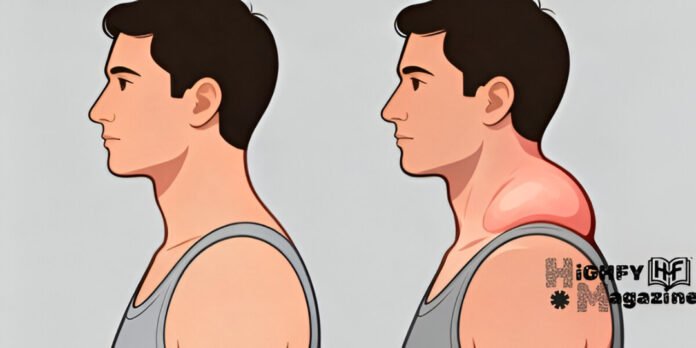
Buffalo hump is a medical condition that affects people from all walks of life, including some of our favorite celebrities and public figures. This fatty deposit that forms at the base of the neck has gained significant attention in recent years as more people become aware of its presence among famous personalities. The condition, medically known as dorsocervical fat pad, can develop due to various reasons ranging from hormonal imbalances to lifestyle factors. While many celebrities prefer to keep their health struggles private, the visibility of buffalo hump has sparked important conversations about body image, health awareness, and the pressures of maintaining a perfect appearance in the public eye. Understanding this condition helps remove the stigma surrounding it and provides valuable information for those experiencing similar symptoms. Whether you’ve noticed this physical characteristic in yourself or others, learning about buffalo hump can empower you to make informed decisions about your health and wellbeing.
Understanding Buffalo Hump
Buffalo hump refers to an abnormal accumulation of fat tissue at the upper back and base of the neck, creating a noticeable rounded protrusion. This condition gets its name from the similar hump seen on American bison. The medical community recognizes several types of neck humps, with buffalo hump being distinctly different from dowager’s hump, which involves bone curvature. The fat deposit can vary in size from barely noticeable to quite prominent, affecting individuals’ appearance and sometimes causing physical discomfort. Many people confuse buffalo hump with poor posture issues, but the condition has deeper medical roots that require proper understanding and treatment.
The formation of buffalo hump involves complex biological processes within the body. Hormonal changes play a crucial role in fat distribution, and when certain hormones become imbalanced, fat tends to accumulate in specific areas, including the upper back region. The condition can develop gradually over months or years, making it difficult for individuals to notice the changes until the hump becomes more pronounced. Understanding the biological mechanisms behind buffalo hump helps in identifying appropriate treatment options and preventive measures. The visibility of this condition among celebrities has actually helped many regular people recognize similar symptoms in themselves and seek medical attention earlier.
Common Causes
Cushing’s syndrome stands as one of the primary medical causes of buffalo hump among celebrities and the general population alike. This hormonal disorder occurs when the body produces excessive amounts of cortisol, often called the stress hormone. The condition can result from long-term use of corticosteroid medications or from tumors affecting the pituitary or adrenal glands. When cortisol levels remain elevated for extended periods, the body redistributes fat to unusual locations, with the upper back being a common site. Many celebrities who develop Cushing’s syndrome face additional challenges due to the physical changes that can affect their careers and public image.
Thyroid disorders represent another significant cause of buffalo hump development in famous personalities and everyday people. When the thyroid gland doesn’t function properly, it disrupts the body’s metabolism and hormone balance, leading to various physical changes including abnormal fat accumulation. Hypothyroidism, where the thyroid produces insufficient hormones, can slow metabolism and cause weight gain in specific areas. The connection between thyroid problems and buffalo hump highlights the importance of regular health checkups and hormone level monitoring, especially for individuals in high-stress professions like entertainment and media.
Medication Effects
Long-term use of certain prescription medications can trigger buffalo hump formation in susceptible individuals. Corticosteroids, commonly prescribed for conditions like asthma, arthritis, and autoimmune diseases, are particularly associated with this side effect. These medications alter how the body processes and stores fat, leading to redistribution patterns that favor the upper back area. Many celebrities dealing with chronic health conditions must balance their treatment needs against potential cosmetic side effects. The challenge becomes even more complex when the medications are essential for managing serious health issues, leaving limited alternatives for treatment.
HIV medications, particularly older antiretroviral drugs, have been linked to fat redistribution syndrome including buffalo hump development. While newer medications have improved safety profiles, some individuals still experience these side effects. The pharmaceutical industry has made significant progress in developing treatments with fewer cosmetic side effects, but the reality remains that some effective medications can cause unwanted physical changes. Celebrities taking these medications often work closely with their healthcare providers to find the best balance between health management and minimizing visible side effects that could impact their careers.
Lifestyle Factors
Poor posture and modern technology use contribute significantly to neck hump development, a concern often called tech neck or text neck. Spending hours looking down at phones, tablets, and computers causes the neck muscles to weaken and the spine to curve forward. This repetitive strain creates both muscular and fat-related changes in the neck region. Celebrities who spend considerable time on social media, reading scripts on tablets, or working on computers face the same risks as everyone else. The constant forward head position puts tremendous pressure on the cervical spine and surrounding tissues, potentially leading to both postural problems and fat accumulation.
Obesity and weight gain can exacerbate or contribute to buffalo hump formation in predisposed individuals. Excess body weight affects fat distribution patterns throughout the body, and some people naturally store more fat in the upper back region. The entertainment industry’s pressure to maintain certain body standards makes this a particularly sensitive issue for celebrities. Weight fluctuations common in actors preparing for different roles can also impact fat distribution patterns. Understanding the relationship between overall body composition and localized fat deposits helps in developing comprehensive treatment approaches that address the root causes rather than just the visible symptoms.
Female Celebrities
Female celebrities face unique challenges when dealing with buffalo hump due to additional scrutiny of their appearance in media and entertainment. Hormonal changes during pregnancy, menopause, or due to conditions like polycystic ovary syndrome can affect fat distribution in women. The entertainment industry’s beauty standards often place unrealistic expectations on female performers, making any physical change subject to public commentary and speculation. Many female celebrities choose to address their buffalo humps through various treatment methods to maintain their career opportunities and personal confidence.
The impact of buffalo hump on female performers extends beyond physical appearance to affect wardrobe choices, camera angles, and even role selection. Costume designers and stylists work creatively to minimize the appearance of neck humps through clothing cuts, accessories, and strategic styling. However, many women in the public eye have begun speaking more openly about their health struggles, helping to normalize these conditions and reduce the stigma. This openness encourages other women experiencing similar issues to seek medical advice and treatment without shame or embarrassment about their bodies.
Dowager’s Hump
Dowager’s hump, technically called kyphosis, differs from buffalo hump though the terms are sometimes used interchangeably. This condition involves actual curvature of the thoracic spine rather than just fat accumulation. Dowager’s hump typically develops due to osteoporosis, vertebral fractures, or degenerative disc disease, making it more common in older individuals, particularly postmenopausal women. The visible hump results from the forward collapse of vertebrae, creating a pronounced curve in the upper back. Celebrities dealing with dowager’s hump face different treatment options compared to those with fat-based buffalo humps.
The distinction between dowager’s hump and buffalo hump matters significantly for treatment planning. While buffalo hump primarily involves soft tissue and can potentially be addressed through lifestyle changes, medications, or cosmetic procedures, dowager’s hump requires approaches that address bone health and spinal integrity. Some individuals may have components of both conditions, complicating diagnosis and treatment. Medical professionals use imaging techniques like X-rays and MRI scans to determine the underlying cause of the neck protrusion, ensuring appropriate treatment recommendations for each unique situation.
Cushing’s Disease
Cushing’s disease specifically refers to a pituitary tumor that causes excessive cortisol production, representing one specific cause of Cushing’s syndrome. This rare condition affects approximately 10-15 people per million annually, but its dramatic physical effects make it particularly challenging for public figures. The disease causes multiple symptoms beyond buffalo hump, including weight gain in the face and abdomen, skin changes, muscle weakness, and mood alterations. Celebrities diagnosed with Cushing’s disease often require surgery to remove the pituitary tumor, followed by careful hormone management.
The journey from symptoms to diagnosis can take considerable time, as Cushing’s disease symptoms often develop gradually and can be attributed to other causes. Many celebrities have shared stories of visiting multiple doctors before receiving accurate diagnoses. The diagnostic process involves blood tests, urine tests, saliva tests, and imaging studies to confirm cortisol overproduction and locate the source. Treatment success varies, with some patients achieving complete remission after surgery while others require ongoing medication management. The physical changes from Cushing’s disease can reverse partially or completely with successful treatment, offering hope to those affected.
Treatment Options
Surgical removal through liposuction or direct excision offers immediate results for buffalo hump removal in appropriate candidates. Liposuction involves inserting a thin tube to suction out the excess fat, leaving minimal scarring and requiring less recovery time than traditional surgery. Direct surgical excision removes the entire fat pad through an incision, suitable for larger humps or when liposuction alone proves insufficient. Many celebrities opt for surgical solutions due to the quick and dramatic results, though these procedures carry typical surgical risks and require skilled practitioners for optimal outcomes.
Non-surgical approaches provide alternatives for those unable or unwilling to undergo surgery. Treating underlying conditions like Cushing’s syndrome or thyroid disorders often reduces or eliminates buffalo hump naturally as hormone levels normalize. Physical therapy and targeted exercises strengthen neck and upper back muscles, improving posture and potentially reducing hump appearance. Weight loss through diet and exercise can decrease overall fat deposits including those in the upper back. Injectable treatments like deoxycholic acid, which dissolves fat cells, show promise for buffalo hump reduction though they’re primarily approved for submental fat. Combining multiple non-surgical approaches often yields the best results for comprehensive buffalo hump management.
Before After
Transformation stories of celebrities who successfully addressed their buffalo humps inspire others facing similar challenges. The dramatic visual difference between before and after photos demonstrates what’s possible with proper treatment and dedication. Some public figures have shared their journeys on social media, documenting their treatment processes and recovery periods. These transparent accounts help demystify the treatments and set realistic expectations for results and timelines. The courage to share such personal health information contributes to broader acceptance and understanding of the condition.
Recovery timelines vary significantly depending on the treatment method chosen and individual healing factors. Surgical procedures typically require one to two weeks for initial recovery, with final results appearing over several months as swelling subsides. Non-surgical treatments like exercise and posture correction show gradual improvements over months of consistent effort. Treating underlying medical conditions may take even longer, as the body needs time to adjust to normalized hormone levels and redistribute fat stores. Patience and realistic expectations prove essential for anyone undertaking buffalo hump treatment, whether celebrity or private individual.
Exercise Solutions
Targeted exercises strengthen the muscles surrounding the upper back and neck, potentially reducing buffalo hump appearance and preventing progression. Chin tucks, where you pull your chin straight back while keeping your head level, strengthen deep neck flexors and improve forward head posture. Shoulder blade squeezes bring shoulder blades together, strengthening upper back muscles and opening the chest. Wall angels involve standing against a wall and moving arms up and down like making snow angels, promoting better posture and muscle balance. These exercises require consistency and proper form to deliver results, typically needing several weeks of regular practice before visible improvements appear.
Stretching routines complement strengthening exercises by addressing muscle tightness that contributes to poor posture. Chest stretches in doorways open tight pectoral muscles that pull shoulders forward. Neck stretches in all directions release tension and improve flexibility. Upper trapezius stretches target commonly overactive muscles that contribute to neck strain. Combining stretches with strengthening creates a balanced approach to postural improvement. Many celebrities work with personal trainers or physical therapists to develop customized exercise programs addressing their specific needs and fitting their busy schedules. The key to exercise success lies in regular practice and gradual progression rather than aggressive workouts that could cause injury.
Tech Neck
Technology-related neck problems have exploded in recent years as smartphone and device use has become ubiquitous. Tech neck describes the posture adopted when looking down at screens for extended periods, creating strain on neck muscles and spine. This forward head position increases the effective weight on the cervical spine from about 12 pounds to potentially 60 pounds depending on the angle. Over time, this excessive strain weakens muscles, changes spinal alignment, and can contribute to buffalo hump development. Celebrities addicted to social media or those whose work involves constant device use face the same risks as everyone else in our digital age.
Preventing tech neck requires conscious effort to modify device use habits and incorporate protective strategies. Raising phones and tablets to eye level rather than looking down reduces neck strain significantly. Taking frequent breaks from screen time allows muscles to relax and reset. Setting timers or using apps that remind users to check their posture can help build better habits. Workstation ergonomics matter too, with computer monitors positioned at eye level and chairs supporting proper spinal alignment. Many celebrities now work with posture coaches or ergonomic specialists to optimize their work environments and daily habits, recognizing that prevention is easier than treating established problems.
Prevention Tips
Maintaining healthy hormone levels through regular medical checkups and appropriate treatment prevents many cases of buffalo hump. Annual physical examinations should include thyroid function tests and, when appropriate, cortisol level assessments. Anyone taking long-term corticosteroid medications should work closely with their doctor to use the lowest effective dose and explore alternative treatments when possible. Recognizing early symptoms of hormonal imbalances enables quicker intervention before significant fat redistribution occurs. Celebrities with access to top medical care often catch these issues early, but everyone benefits from being proactive about their health monitoring.
Lifestyle modifications form the foundation of buffalo hump prevention for most people. Maintaining a healthy weight through balanced nutrition and regular exercise prevents excessive fat accumulation throughout the body. Practicing good posture during all activities protects the spine and prevents muscular imbalances. Regular strength training builds the muscles that support proper alignment and posture. Managing stress through healthy coping mechanisms reduces cortisol levels naturally. Limiting prolonged positions in any posture, whether sitting, standing, or looking at devices, prevents repetitive strain injuries. These preventive measures benefit overall health beyond just preventing buffalo hump, making them worthwhile for everyone regardless of current symptoms.
Medical Diagnosis
Proper diagnosis requires professional medical evaluation to distinguish buffalo hump from other neck masses and determine underlying causes. Physical examination allows doctors to assess the tissue consistency and location of the hump. Blood tests measure hormone levels including cortisol, thyroid hormones, and sometimes sex hormones. Imaging studies like X-rays reveal bone structure and rule out dowager’s hump, while MRI or CT scans provide detailed views of soft tissues and can identify tumors or other abnormalities. The diagnostic process may involve multiple specialists including endocrinologists, orthopedists, and sometimes neurosurgeons depending on findings.
Differential diagnosis considers various conditions that could cause similar neck swelling. Lipomas, benign fatty tumors, can mimic buffalo hump but typically feel different on examination. Cysts or enlarged lymph nodes create discrete masses rather than diffuse fat pads. Spinal tumors or infections require urgent attention and appear differently on imaging studies. Accurate diagnosis ensures appropriate treatment and avoids missing serious underlying conditions. Celebrities seeking diagnosis benefit from comprehensive evaluations that consider their overall health, medications, lifestyle factors, and specific career demands when developing treatment recommendations.
Quick Celebrity Bios
While specific celebrities rarely publicly confirm having buffalo hump, medical observers and body language experts have noted changes in some public figures’ appearance consistent with this condition. Some actors have appeared with noticeable upper back fullness in candid photographs compared to their earlier appearances. Reality television personalities dealing with weight fluctuations have shown varying degrees of neck hump over time. Musicians performing in profile during concerts sometimes display the characteristic upper back curve. Most celebrities understandably choose privacy regarding their medical conditions, but the visibility of physical changes prompts public discussion and speculation.
Professional impacts of buffalo hump vary depending on career demands and individual responses. Actors may find certain roles more challenging or require costume adjustments to minimize the hump’s appearance. Models might experience booking limitations for particular types of shoots. Singers and musicians generally face fewer career impacts unless the condition causes physical discomfort affecting performance. Many celebrities successfully manage their buffalo humps through a combination of treatments while continuing thriving careers. The normalization of diverse body types in entertainment has helped reduce some pressure, though appearance-based judgment remains a reality in image-focused industries.
Living With It
Emotional impacts of buffalo hump extend beyond physical symptoms to affect self-esteem and quality of life. Many people report feeling self-conscious about their appearance, avoiding certain clothing styles or social situations. The condition can create challenges with finding properly fitting clothes, particularly in the neck and shoulder area. Some individuals experience stares or unwanted comments from others, adding to psychological distress. Mental health support through counseling or support groups helps many people cope with the emotional aspects of living with buffalo hump. Celebrities dealing with these feelings have unique pressures due to constant public scrutiny and media attention.
Adaptation strategies help people live confidently regardless of their buffalo hump status. Choosing clothing with strategic cuts and patterns can minimize the hump’s visibility while still looking fashionable. Hairstyles that add volume elsewhere or cover the upper back area change the visual balance. Building confidence through accomplishments unrelated to appearance shifts focus away from physical imperfections. Many people find empowerment in sharing their stories and connecting with others facing similar challenges. The growing body positivity movement encourages acceptance of diverse body types including those with medical conditions affecting appearance. Celebrities who openly discuss their health challenges often become advocates for self-acceptance and medical awareness.
Latest Research
Medical advances continue improving our understanding and treatment of buffalo hump and related conditions. Researchers are developing new medications with fewer metabolic side effects, reducing medication-induced fat redistribution. Improved surgical techniques offer better results with less scarring and faster recovery times. Studies exploring the genetic factors influencing fat distribution patterns may eventually enable personalized prevention strategies. Investigation into the relationship between stress, cortisol, and fat accumulation could yield new approaches to managing stress-related buffalo hump development. The medical community’s growing recognition of buffalo hump as a legitimate health concern rather than purely cosmetic issue drives increased research funding and attention.
Future treatments on the horizon may offer even better options for buffalo hump management. Injectable medications specifically designed to target and dissolve localized fat deposits are under development. Advanced imaging techniques help surgeons plan more precise interventions with optimal results. Personalized medicine approaches consider individual genetic profiles when recommending treatments. Combination therapies addressing multiple contributing factors simultaneously show promise in early studies. As our understanding of metabolism, hormones, and fat distribution deepens, treatment approaches become more sophisticated and effective. People dealing with buffalo hump today have more options than ever before, with even better solutions likely emerging in coming years.
Frequently Asked Questions
Can buffalo hump go away on its own?
Buffalo hump may reduce if caused by temporary factors like medication that gets discontinued or weight that gets lost. However, established fat pads typically require active treatment to remove completely.
Is buffalo hump dangerous to health?
The hump itself isn’t dangerous, but underlying causes like Cushing’s syndrome or severe obesity carry serious health risks requiring medical attention and proper management.
How long does buffalo hump surgery recovery take?
Most people return to normal activities within one to two weeks after liposuction, though complete healing and final results appear over several months.
Can exercises really reduce buffalo hump?
Exercises improve posture and muscle tone but typically don’t eliminate established fat pads, though they prevent worsening and provide modest appearance improvements.
Do all people with Cushing’s syndrome develop buffalo hump?
Not everyone with Cushing’s syndrome develops buffalo hump, as fat distribution patterns vary individually, but it’s a common characteristic of the condition.
Is buffalo hump more common in women or men?
Both genders can develop buffalo hump, though hormonal causes may create different prevalence rates depending on the specific underlying condition involved.
Main Facts
- Buffalo hump is a fat deposit at the base of the neck caused by hormonal imbalances, medications, or lifestyle factors affecting thousands worldwide.
- Cushing’s syndrome and thyroid disorders represent major medical causes requiring professional diagnosis and treatment for successful resolution.
- Treatment options range from addressing underlying conditions to surgical removal, with success depending on cause identification and appropriate intervention selection.
- Prevention focuses on maintaining healthy weight, practicing good posture, managing stress, and monitoring hormone levels through regular medical checkups.
- Tech neck from excessive device use contributes to modern buffalo hump cases, making ergonomic awareness increasingly important for everyone.