


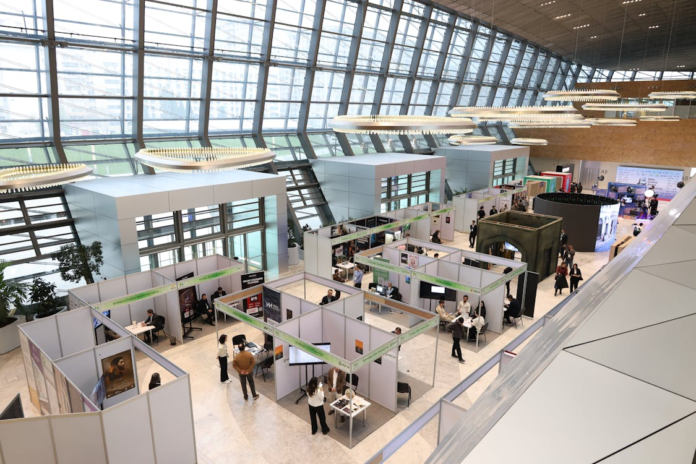
Trade shows remain one of the most powerful channels for B2B companies to generate high-quality leads, build relationships, and showcase their offerings in a competitive environment. However, simply showing up at an event is no longer enough. With dozens, sometimes hundreds of exhibitors competing for attention, success depends on how effectively a brand attracts, engages, and converts visitors.
This is where strategic trade show booth design becomes critical. A well-designed booth does more than look appealing; it creates meaningful interactions that turn foot traffic into qualified business opportunities.
Why Booth Design Directly Impacts Lead Generation
In a crowded exhibition hall, attendees make quick decisions about which booths to visit. These decisions are often based on visual cues, perceived relevance, and the overall experience a booth offers.
An ineffective booth can lead to:
- Low visitor engagement
- Missed opportunities for conversations
- Weak brand recall
- Poor lead quality
On the other hand, a strategically designed booth acts as a magnet. It draws in the right audience, communicates value instantly, and encourages deeper engagement.
Businesses that invest in professional trade show booth design services often achieve significantly better results in both lead quantity and quality.
Designing for First Impressions
First impressions are formed within seconds. Your booth must immediately communicate who you are and why you matter.
- Clear Brand Messaging
Your booth should clearly convey:
- What your company does
- Who you serve
- What problem you solve
Avoid cluttered messaging. Instead, use bold, concise statements that are easy to understand at a glance.
- Strong Visual Identity
Consistent use of brand colors, typography, and imagery helps reinforce brand recognition. A visually cohesive booth appears more professional and trustworthy.
- Strategic Use of Space
Open, inviting layouts encourage visitors to step in, while crowded or confusing designs may deter them. Think about how people will move through your space.
Creating Interactive Experiences
Modern trade show attendees expect more than static displays. They are looking for experiences that engage them and provide value.
- Live Demonstrations
Product demos are one of the most effective ways to capture attention. They allow prospects to see your offering in action and understand its real-world benefits.
- Digital Engagement
Interactive screens, touch displays, and immersive presentations can significantly enhance engagement. These tools help communicate complex ideas quickly and effectively.
- Experiential Design
Experiential elements such as hands-on activities or immersive environments—create memorable interactions that leave a lasting impression.
Many companies are now investing in strategic experiential design to transform their booths into engaging brand environments rather than simple display spaces.
Optimizing for Lead Capture
Attracting visitors is only half the battle. The real goal is to convert those interactions into actionable leads.
- Defined Engagement Zones
Create specific areas within your booth for different purposes:
- Introduction and discovery
- Product demonstration
- Private conversations
This structure helps guide visitors through a natural engagement journey.
- Smart Lead Capture Tools
Replace manual data collection with digital tools such as:
- QR code scans
- badge scanning systems
- tablet-based forms
These methods are faster, more accurate, and easier to integrate with CRM systems.
- Qualifying Leads in Real Time
Train your team to ask the right questions to quickly identify high-value prospects. This ensures your sales team can prioritize follow-ups effectively.
Training Your Booth Team
Even the best booth design will fall short without the right people managing it.
- Active Engagement
Staff should proactively engage visitors rather than waiting for them to initiate conversations. A simple greeting can significantly increase interaction rates.
- Consistent Messaging
Ensure all team members communicate the same key messages. This consistency reinforces your brand and avoids confusion.
- Professional Presence
Body language, tone, and enthusiasm all contribute to the overall visitor experience. A confident, approachable team can make a significant difference.
Extending the Experience Beyond the Event
Trade show success does not end when the event closes. Follow-up plays a crucial role in converting leads into customers.
- Timely Follow-Up
Reach out to leads within 24–48 hours while the interaction is still fresh in their minds.
- Personalized Communication
Reference specific conversations or interests discussed during the event. Personalization increases response rates and builds stronger relationships.
- Multi-Channel Nurturing
Combine email, LinkedIn outreach, and content sharing to stay engaged with prospects over time.
Measuring Trade Show Success
To improve future performance, it’s essential to measure the effectiveness of your trade show strategy.
Key metrics include:
- Number of qualified leads generated
- Cost per lead
- Booth engagement rate
- Conversion rate from lead to opportunity
Analyzing these metrics helps identify what worked and where improvements can be made.
Turning Booth Traffic Into Business Growth
Trade shows offer a unique opportunity to connect with decision-makers in a highly focused environment. However, success requires more than participation—it requires strategy.
By investing in thoughtful design, interactive experiences, and structured lead capture processes, businesses can transform their booths into powerful growth engines.
Companies that approach exhibitions with a strategic mindset consistently outperform competitors, generating higher-quality leads and stronger ROI from every event.