


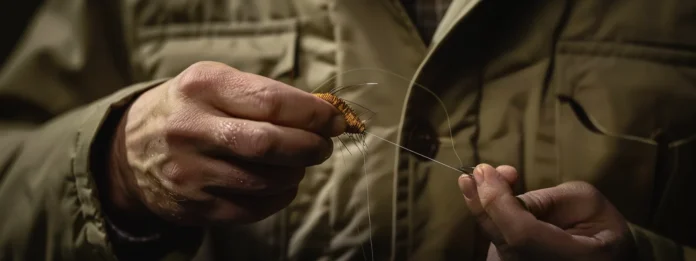
When venturing into the complex world of fishing equipment, both novice and experienced anglers often find themselves pondering the distinction between fly tying hooks and traditional fishing hooks. Each type of hook serves specific purposes, influenced by their build and the fishing techniques they accommodate.
This overview explores the differences between these two hook types, helping anglers choose the one best suited for their fishing needs. Below, we delve into the nuances of fly tying hooks versus traditional fishing hooks and their applications in various fishing scenarios.
Fly Tying Hooks vs Traditional Fishing Hooks: Understanding the Differences
Fly tying hooks and traditional fishing hooks differ fundamentally in their design and intended use. Fly tying hooks are typically lighter and smaller, designed to mimic insects or other small aquatic creatures when crafted with feathers, fur, or synthetic materials. Their shape is essential for successfully presenting the “fly” in a way that resembles natural prey in fly fishing scenarios.
Traditional fishing hooks, on the other hand, are generally sturdier and available in a broader range of sizes. They are intended to bait fish directly, whether using live bait or artificial lures. These hooks are built to withstand stronger pulls and are often used in both freshwater and saltwater environments, targeting a broader range of fish species. varied hook use and scenarios.
To make an informed decision, anglers should consider the type of fishing they plan to engage in. Fly fishing, benefiting from the specialized design of fly tying hooks, differs markedly from bait fishing or spin fishing, where traditional hooks are preferable. Understanding these differences is key to optimizing your fishing experience.
Choosing the Right Hook for Your Fishing Style
Selecting the right hook is pivotal depending on the fishing technique and target species. For those pursuing delicate, surface-feeding fish like trout, fly tying hooks offer the precision and subtlety needed for effective fly fishing. These hooks are engineered to offer a realistic fly presentation that can be crucial for outwitting cautious fish.
Conversely, traditional hooks are versatile and robust, making them suitable for a variety of fishing techniques, including trolling and bottom fishing. Their design is better suited for handling larger, more aggressive species such as bass or walleye that might bend or break a lighter fly tying hook. popular fishing techniques.
When choosing your hooks, consider factors such as hook size, material, and strength, in addition to the type of water body and the typical behavior of the target fish. Such considerations will guide you in selecting the most appropriate hook type for your specific fishing conditions.
Advantages of Fly Tying Hooks in Specific Fishing Scenarios
Fly tying hooks excel in scenarios requiring finesse and a natural presentation. For instance, in clear water where fish are highly visual and easily spooked, the smaller, less obtrusive fly tying hooks are advantageous. They allow anglers to mimic the intricate movements of local insects, which can provoke strikes from wary fish.
These hooks are also preferred in fly fishing tournaments and in regions with catch-and-release regulations, as their design minimizes harm to fish, making them ideal for conservation-focused angling. The specificity of fly tying hooks offers a tailored approach that often leads to higher success rates in these specialized fishing environments.
Moreover, mastering the use of fly tying hooks can enhance an angler’s skill set, providing a more immersive and challenging fishing experience. This is particularly true for those who value the craft of creating their flies, an aspect that adds depth to the angling experience beyond just the catch.
Traditional Fishing Hooks: When and Why They Excel

Traditional fishing hooks are the backbone of many fishing styles due to their durability and versatility. These hooks are designed to handle everything from heavy saltwater game fish to freshwater panfish. Their strength and variety of shapes make them suitable for multiple bait options, from soft-bodied lures to hard, chunky baits.
In environments with thick cover, such as weed beds or submerged structures, traditional hooks can be particularly effective. Their robust build prevents them from snapping under pressure and allows anglers to pull fish out from heavy cover without losing them. This strength also plays a crucial role when targeting large species that demand durable gear.
Utilizing traditional hooks also opens up a broader range of fishing techniques, making them a go-to choice for many anglers. Whether you’re casting, jigging, or trolling, these hooks maintain their integrity and performance, providing confidence regardless of the conditions or targeted fish species.
Ultimately, the choice between fly tying hooks and traditional fishing hooks largely depends on the specific conditions and goals of your fishing trip. Each type of hook offers unique benefits that can enhance your fishing experience in different scenarios. By understanding the distinctions and advantages of each, anglers can make optimal choices that align with their preferences and the demands of their preferred fishing environments.