


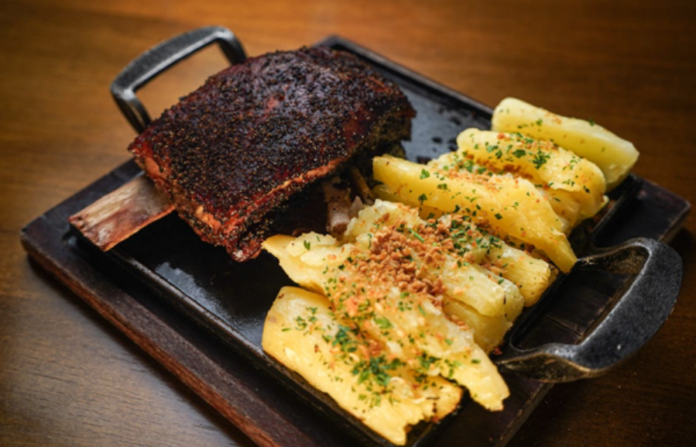
There’s something special about a perfectly cooked roast. It’s the kind of dish that feels impressive, whether you’re serving it at a holiday dinner or just making a weekend meal for family and friends. The outside should be nicely browned, the inside tender and juicy, and every bite full of flavor.
Many people assume that cooking a roast like this requires professional skills or years of experience. But the truth is, with the right approach, anyone can achieve great results at home. It’s not about complicated techniques. It’s about understanding a few key basics and taking your time.
As more people spend time cooking at home, there’s a growing interest in learning how to recreate restaurant-quality meals. Roasts are a great place to start because they’re both simple and rewarding when done right.
Start with the Right Cut and Cooking Method
The first step to cooking a great roast is choosing the right cut of meat. Some of the most popular options include prime rib, sirloin, and chuck roast. Each cut has its own texture and flavor, so your choice will depend on what you’re looking for.
Equally important is the cooking method. Oven roasting is the most common, but other methods like slow cooking or using a rotisserie can produce excellent results. A rotisserie, in particular, helps cook the meat evenly while allowing the natural juices to stay inside.
For beginners who want a reliable starting point, following a rotisserie prime rib roast recipe by Dad Cooks Dinner can make the process much easier. It walks you through key steps like seasoning, setting up the rotisserie, and monitoring the cooking process so you can achieve a tender interior and a flavorful crust without guesswork.
Choosing the right combination of cut and method sets the foundation for everything that follows.
Preparing Your Roast for Maximum Flavor
Preparation plays a huge role in how your roast turns out. Even the best cut of meat can fall flat if it’s not seasoned properly.
Start with simple seasoning. Salt and pepper are a great base, but adding herbs like rosemary, thyme, or garlic can enhance the flavor even more. Some people prefer to use a marinade, while others stick with a dry rub.
One important step is letting the meat come to room temperature before cooking. This helps it cook more evenly. Another helpful technique is dry brining, which involves seasoning the meat ahead of time and letting it rest in the fridge. This allows the salt to penetrate deeper, improving both flavor and texture.
Taking the time to prepare your roast properly can make a noticeable difference in the final result.
Mastering Temperature and Timing
Cooking a roast is all about control. The temperature you use and how long you cook the meat will determine how it turns out.
Using a meat thermometer is one of the easiest ways to get it right. Instead of guessing, you can check the internal temperature and cook the meat to your preferred level of doneness.
For example, rare beef is usually around 125°F, medium is around 135°F to 145°F, and well-done is higher. It’s important to remove the roast from the heat slightly before it reaches your target temperature because it will continue to cook as it rests.
Low and steady heat often produces the best results. It allows the meat to cook evenly without drying out. Patience is key here; rushing the process can lead to uneven cooking.
Cooking Techniques That Make a Difference
Small techniques can have a big impact on your roast. One of the most common is searing the meat before roasting. This creates a rich, flavorful crust that adds depth to the dish.
Basting is another useful technique. By occasionally spooning juices or melted butter over the meat, you can keep it moist and enhance the flavor.
If you’re using a rotisserie, the constant rotation naturally bastes the meat as it cooks. This helps create a balanced texture with a crispy exterior and juicy interior.
Even spacing and proper placement in the oven or on the rotisserie also matter. Making sure the heat circulates evenly helps avoid overcooked or undercooked spots.
Letting the Roast Rest
One of the most important steps happens after the cooking is done. Letting your roast rest allows the juices to redistribute throughout the meat.
If you cut into it right away, those juices will run out, leaving the meat drier than it should be. Resting helps lock in moisture and improves the overall texture.
A good rule of thumb is to let the roast rest for at least 15 to 20 minutes, depending on its size. Cover it loosely with foil to keep it warm while it rests.
This simple step can make the difference between a good roast and a great one.
Slicing and Serving Like a Pro
How you slice your roast can affect both the presentation and the eating experience. Always cut against the grain, which means slicing across the muscle fibers rather than along them. This makes the meat more tender and easier to chew.
Use a sharp knife to get clean, even slices. Thick or thin slices depend on your preference, but consistency helps the dish look more appealing.
Presentation also matters. Arrange the slices neatly on a platter and consider adding simple garnishes like fresh herbs. Pair your roast with classic sides such as roasted vegetables, mashed potatoes, or a light salad to complete the meal.
Taking a little extra care when serving can make your dish feel more polished and enjoyable.
Common Mistakes to Avoid
Even experienced cooks can make mistakes when preparing a roast. One of the most common is overcooking the meat, which can make it dry and tough. Using a thermometer can help prevent this.
Another mistake is skipping seasoning or not giving it enough time to work. Proper seasoning is essential for flavor, so don’t rush this step.
Cutting the meat too soon is also a common issue. As mentioned earlier, skipping the resting period can lead to a loss of moisture.
Finally, using the wrong temperature can cause uneven cooking. Too high, and the outside may burn before the inside is done. Too low, and the roast may not develop a good crust.
Being aware of these mistakes can help you avoid them and improve your results.
Cooking a restaurant-quality roast at home is more achievable than many people think. By focusing on the basics, choosing the right cut, preparing it properly, and paying attention to temperature and timing, you can create a dish that’s both delicious and impressive.
Each step, from seasoning to slicing, plays a role in the final result. With a little practice and patience, you’ll start to see improvement with every attempt.
The best part is that cooking a roast is not just about the food. It’s about the experience. Sharing a well-prepared meal with others is one of the most rewarding parts of home cooking.