


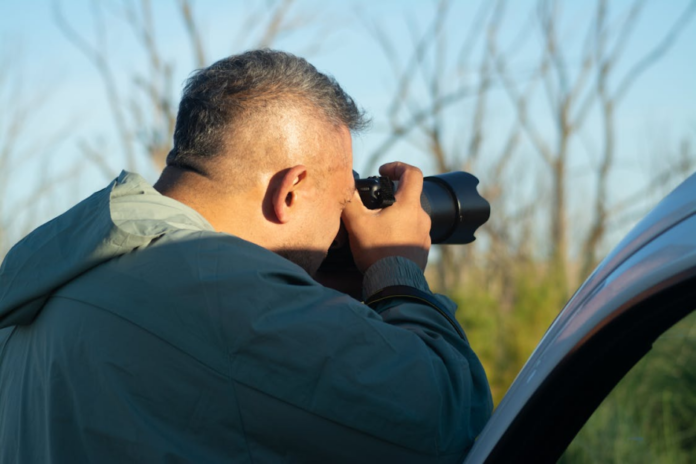
At the cricket ground near my place, dust, glare, uneven light, players moving too fast for lazy settings, you learn quickly that action shots don’t forgive hesitation. You miss once, it’s gone. So the basics get stripped down. Shutter speed first, always. If it’s not fast enough, nothing else saves the frame. 1/1000 feels safe for most motion, sometimes higher if the light holds; drop lower only when you accept blur as style, not accident. But speed alone doesn’t fix everything; camera shake still creeps in, subject slips out of focus, timing breaks. You adjust in layers. ISO goes up without guilt; noise can be cleaned later, blur can’t. Aperture opens wider, background softens, subject pops, yet depth gets thin, so focus must land right or the shot fails. No room for half decisions.
Don’t Ignore Buffer Speed
Buffer speed gets ignored until it doesn’t. You hold the shutter, the camera stutters, stops writing, moment lost. That’s where gear quietly matters, not in specs bragged online but in how long it keeps up before choking. Shooting bursts is useful, not magic; you still need timing inside the burst. Random spraying fills cards fast, clogs workflow later. Which brings up storage; people underestimate it until they hit limits mid-game. Around here, with long matches and no quick offload option, choosing the best SD cards for sports photography isn’t just a gear flex, it’s practical; faster write speeds keep the buffer clearing, higher capacity means you don’t start deleting in panic halfway through a play. It’s a small decision that avoids bigger problems.
Focus That Keeps Up
Autofocus matters more than the lens brand or body hype people argue about. Continuous focus mode, tracking on, let the camera follow movement instead of locking once and hoping. It’s not perfect. Sometimes it hunts, sometimes it grabs the wrong subject, and crowds confuse it. You correct fast. Back-button focus helps; it separates focusing from shutter, giving control back to your thumb instead of tying everything to one press. It feels awkward at first, then you won’t go back. And pre-focusing still has a place, pick a spot where action will pass, wait, shoot as it enters. The old method still works when tracking fails.
Anticipation Over Reaction
You don’t chase the action, you get ahead of it. Reaction feels fast, but it’s late; the moment peaks, then you press. So you read movement instead. Patterns show up, players repeat motions, vehicles follow lines, and animals tense before they move. Small cues, easy to miss unless you watch.
Bring the camera up early. Frame, half-press, track, wait. There’s always a pause that feels too long. Hold it. Then shoot as the action enters the space you already set. Timing improves with practice; early, late, adjust, repeat.
You will miss shots. Often. Don’t fix it mid-frame; fix the next one. Slight shift, better angle, tighter timing. Blind shooting, just firing and hoping, wastes time, fills cards. Anticipation feels slower, yet it gives more keepers. Less panic, more control.
Light Is the Real Limit
Bad light ruins speed. Late evening, indoor arenas, overcast mornings, shutter drops unless ISO climbs hard. Modern cameras handle higher ISO better than before, but it’s still not magic. Grain shows up, detail softens. You choose: accept noise or accept blur. Usually, noise wins. Position matters too. Shoot with light hitting the subject, not behind it, unless you want a silhouette or flare. Backlighting can look dramatic, but it complicates focus and exposure shifts quickly. Side light adds texture and works well for motion. Direct overhead light flattens everything, a midday problem, especially in open fields. You work around it, not fix it.
Lens Choices That Make Sense
Long lenses bring action closer, compress space, and isolate subjects. But they’re heavy, harder to stabilize, and have a narrower field of view. You lose context sometimes. Shorter lenses capture the environment, more forgiving framing, yet require getting closer, which isn’t always possible. So you choose based on access, not theory. Zoom lenses give flexibility, and primes give sharpness and speed. Trade-offs, always. Image stabilization helps, mostly for your movement, not the subject’s. Don’t rely on it to freeze action. It won’t.
Burst, But Not Blind
High-speed burst mode feels powerful, machine-gun frames, hundreds in minutes. But it creates volume more than value if you don’t control it. Short bursts work better. Two, three, maybe five frames timed around the peak moment. Then pause. Review later. Continuous blasting drains battery, fills storage, and increases sorting time. You’re not trying to record everything, just catch the right slice. Editing time matters too. Thousands of similar frames slow you down afterward.
Stability Without Overthinking
Tripods are rare for fast action unless you’re fixed in one spot. Monopods help with heavy lenses, reduce fatigue, and keep movement fluid. Handheld works if you stay steady—feet planted, elbows in, breath controlled. Sounds basic, still important. Panning shots need smooth motion, follow the subject, match its speed; background blurs, subject stays sharp if done right. Takes practice. Many frames fail before one works. Accept that.
Settings That Stay Ready
Manual mode gives control but takes attention. Shutter priority simplifies things: set speed, let the camera adjust aperture. Works when light changes quickly. Auto ISO fills gaps. There’s no single right setup; you adapt. Keep settings predictable, though. Don’t keep switching every minute. Consistency helps you react faster. Custom modes on cameras save time, preset for daylight action, and another for low light. Flip, shoot. No digging through menus while the moment passes.
Small Habits That Matter
Clean your lens. Sounds obvious, often ignored. Dust and smudges show up more in harsh light. Check the battery before you leave; action drains it faster. Carry a spare. Memory cards formatted, not half full of old files. These are small things until they stop a shoot completely. Then they’re everything.
Action photography doesn’t settle into a perfect system. Conditions shift, subjects behave differently, and the gear acts up sometimes. You build habits, not rules. Fast shutter, reliable focus, enough light, storage that keeps up with core pieces. The rest move. You miss shots. You get some right. You keep adjusting, a bit messy, a bit rushed, still learning each time you step out. That’s normal.