


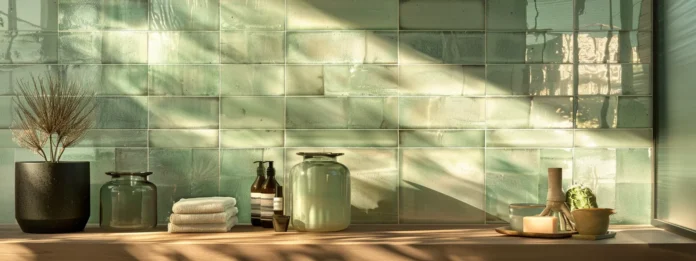
In the realm of interior design, selecting the right elements to enhance your home decor can significantly alter the ambiance and functionality of your space. Among the myriad of choices available, sage green tile has emerged as a sophisticated option that not only elevates aesthetic appeal but also contributes to a sustainable lifestyle. This article will explore why sage green tiles are an increasingly popular choice for homeowners, how they can enhance the visual and emotional appeal of your spaces, and why they’re considered a sustainable option for modern homes.
Sage Green Tile as a Trending Home Decor Choice
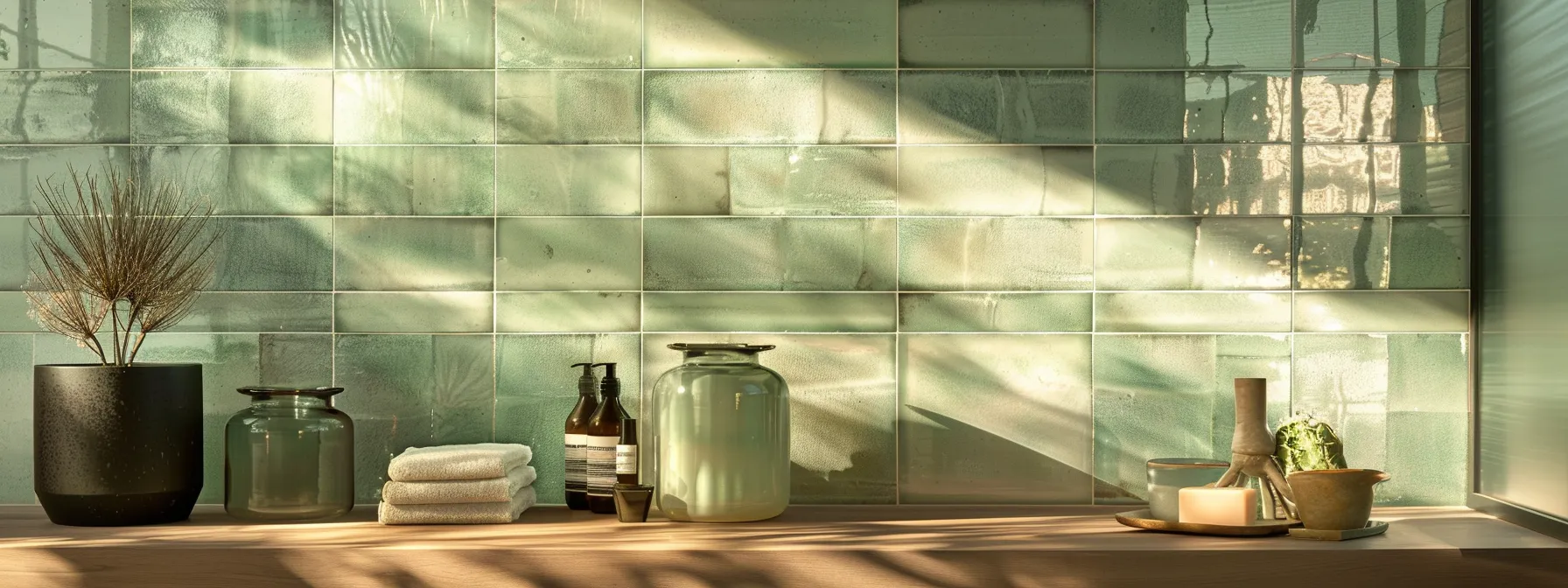
Sage green tile has rapidly become a favorite among interior designers and homeowners alike. This popularity stems from its ability to harmonize with various design palettes, offering versatility in both traditional and contemporary settings. According to a recent study, incorporating biophilic design elements, such as sage green, enhances occupant satisfaction and well-being by 20%. The muted, earthy tone of sage green also complements a wide range of FF&E (Furniture, Fixtures, and Equipment), making it a staple in modern interior design projects.
The trend towards using sage green tile is evident in many design briefs, where it often features prominently due to its calming and sophisticated hue. This color is not only trendy but timeless, offering a serene backdrop that enhances the natural elements within your home. As designers continue to seek out materials that offer both style and substance, sage green tiles have proven to be a popular choice.
For those interested in this trend, the sage green tile is a versatile choice that can be easily integrated into any home design. Its adaptability ensures it remains a relevant option for those seeking to update their interiors with minimal fuss.
Enhancing Aesthetic Appeal with Sage Green Tile
The aesthetic appeal of sage green tile lies in its ability to enhance the visual texture of a room. Used strategically, it can serve as a striking focal point or a subtle backdrop, depending on the desired effect. In terms of space planning, sage green tiles can be employed to delineate areas within open-plan layouts, adding depth and dimension to living spaces.
When integrated into a color rendering of a proposed design, sage green tiles often emerge as a key component in achieving the desired mood. This is particularly true in kitchens and bathrooms, where they can be paired with millwork in contrasting colors to create an inviting and cohesive look. The use of sage green tile can transform an otherwise mundane space into a visually captivating environment.
Incorporating sage green tiles into your home is not merely about following trends; it’s about creating a personalized space that reflects your style and sensibilities. For more on how color and material choices impact home design, this article from Architectural Digest offers valuable insights.
Creating Tranquil Spaces Using Sage Green Tile
Sage green tile is not only aesthetically pleasing but also promotes tranquility within the home. Its soothing hue is ideal for creating peaceful sanctuaries, such as meditation rooms or calming bathrooms. The concept of biophilic design emphasizes the connection between humans and nature, and sage green tiles embody this by bringing a touch of the outdoors inside.
With the aid of CAD and BIM technologies, designers can simulate how sage green tiles will appear in a space, ensuring the final result aligns with the desired emotional impact. This approach is particularly beneficial in areas where acoustical treatment is important, as the color can contribute to a calming atmosphere conducive to relaxation and concentration.
As part of a mood board, sage green tiles can serve as the foundation for a tranquil design scheme, supporting elements like soft textiles and natural wood finishes. For further reading on how to create tranquil spaces with color, Dezeen’s guide on biophilic design provides comprehensive information.
Sage Green Tile for a Sustainable Home Decor Option
Sustainability is a growing concern in home improvement, and sage green tile offers an eco-friendly choice for conscientious homeowners. Many manufacturers are now focusing on sustainable sourcing of materials, ensuring that the production of sage green tiles has a minimal environmental impact. This aligns with the increasing demand for sustainable design solutions, where every component is carefully chosen to reduce carbon footprints.
Moreover, the long-lasting nature of sage green tile means it requires less frequent replacement, further promoting sustainability. When used in areas that experience significant wear and tear, such as kitchens and entryways, the durability of these tiles ensures they remain a cost-effective option in the long term. Their resilience against moisture and stains also makes them a practical choice for load-bearing wall applications.
Incorporating sage green tile into your home is not just a design choice but a commitment to environmental responsibility. As more homeowners embrace this philosophy, sage green tiles are set to remain a cornerstone of sustainable home decor. To explore more on sustainable sourcing in design, visit the USGBC’s guide on sustainable materials.
Conclusion

Sage green tile offers a multifaceted solution for enhancing home decor, combining aesthetic appeal with functional benefits. Its ability to create tranquil environments and support sustainable living makes it a compelling choice for modern homeowners. By incorporating sage green tile into your design palette, you not only elevate your home’s style but also contribute to a more sustainable future.