


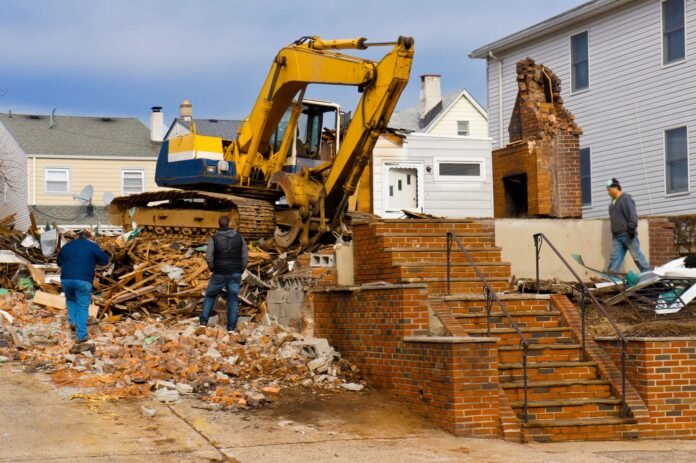
New construction often begins long before the first wall is framed or the foundation is poured. When an old building, damaged structure, shed, garage, interior section, or concrete surface stands in the way, the site must be cleared with care. Demolition services help prepare the land by removing unwanted materials, reducing hazards, and creating a cleaner starting point for builders. This process is more than knocking something down. It involves planning, safety checks, debris handling, utility awareness, and site cleanup so the next phase of construction can begin with fewer delays.
Clearing Starts With Planning
- Site Evaluation Helps Avoid Costly Delays
Demolition services begin by reviewing the site and determining what needs to be removed before new construction can proceed. A proper evaluation considers the structure’s condition, nearby buildings, access points, utilities, debris volume, and any materials that may require careful handling. This step matters because every property has different risks. A small detached garage may require a different approach than a multi-room interior removal or a damaged commercial structure. Property owners who want to explore Boston demolition options may need this planning stage to determine which type of removal best fits the site and future building goals. A demolition crew can also identify areas where the structure is weak, where heavy equipment can enter safely, and where debris should be moved during the work. Careful planning helps prevent unnecessary disruption, protects nearby areas, and gives builders a clearer path once demolition is finished and the land is ready for preparation.
- Utility Disconnection Protects the Worksite
Before demolition begins, utilities must be handled properly to reduce the risk of accidents and damage. Water, gas, electricity, sewer lines, and communication cables may still be connected to the structure, even if the building appears unused. Demolition services help coordinate checks to identify, mark, disconnect, or protect active lines before removal work starts. This is important because striking a live wire, gas line, or water line can create danger and delay the entire construction schedule. A planned utility review helps the crew work with more control and helps property owners avoid surprise repair costs. It also protects future construction because utility locations may affect excavation, grading, and foundation work. When these details are handled early, the site becomes safer for demolition crews, construction workers, and nearby occupants. Proper utility awareness turns a risky removal job into a more organized process that supports the next phase of building.
- Debris Removal Creates a Usable Site
Demolition services do not stop once a structure is taken down. The debris must be sorted, loaded, hauled away, and properly disposed of so the site is usable for new construction. Broken wood, concrete, drywall, metal, roofing, flooring, insulation, and fixtures can quickly pile up, blocking access for builders. If debris is left scattered, it can slow grading, trenching, foundation layout, equipment movement, and material delivery. A demolition crew helps clear this waste in a controlled way so the property does not remain cluttered after removal. Some materials may be recyclable, while others must be taken to approved disposal sites. This organized cleanup helps keep the project moving and gives construction teams a safer place to work. A clean site also makes it easier to spot uneven ground, hidden obstructions, drainage issues, or remaining foundation pieces that need attention before new construction begins.
- Structural Removal Prepares the Ground
Old structures often leave behind more than visible walls and roofs. Foundations, slabs, footings, posts, underground tanks, old drainage lines, and buried debris may remain after the main building is gone. Demolition services help remove these leftover elements so the ground can be prepared for new construction. This is important because hidden concrete or unstable fill can interfere with excavation and foundation placement. If old materials remain under the surface, they may cause settling, drainage problems, or layout conflicts later. A proper demolition process can include breaking concrete, removing old supports, clearing interior partitions, and preparing the area for grading. Once these obstructions are gone, builders can measure the site more accurately and begin groundwork with fewer interruptions. Properly clearing the ground also helps engineers and contractors understand the conditions they are working with. A well-cleared site gives the future structure a stronger beginning.
- Safety Improves for the Next Construction Phase
A site that contains unstable walls, sharp debris, exposed nails, broken concrete, loose wiring, or damaged flooring can be unsafe for anyone entering the property. Demolition services help reduce these hazards before construction crews arrive. This matters because new building work requires people, tools, vehicles, and materials to move through the site regularly. If old materials are not removed correctly, workers may face tripping risks, falling debris, dust exposure, or blocked access routes. Demolition crews use planned methods to bring down structures, contain debris, and remove hazards in stages. They may also use barriers, dust control, and equipment planning to protect surrounding areas. When the site is cleared safely, construction teams can begin with fewer obstacles and less risk. A safer site also supports a better workflow because crews can focus on building rather than working around unstable remnants of the previous structure.
A Clear Site Supports Better Building
Demolition services help clear space for new construction by removing old structures, managing utilities, hauling debris, clearing hidden obstructions, and improving site safety. This work creates the clean starting point builders need before grading, excavation, foundation work, and framing can begin. Without proper demolition, the construction process may face delays, safety concerns, cluttered access, and unexpected underground problems. A careful removal plan helps the property transition from old use to new purpose with less confusion. When the site is properly cleared, the next project phase can proceed with better organization, safer conditions, and a stronger foundation for future construction. Once the structural work begins, experienced commercial drywall contractors can efficiently install interior wall systems that support the project’s schedule, durability, and overall finish quality.