


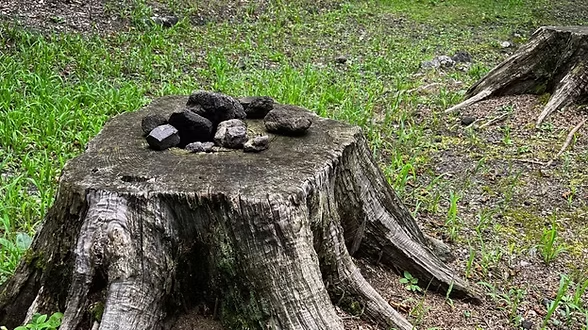
Installing a new fence takes more than choosing panels, posts, and a layout. The ground must be ready to hold straight lines, solid posts, and safe work areas. A leftover tree stump can interfere with digging, measuring, leveling, and placing fence sections where they belong. It may also hide roots that make the soil uneven or difficult to prepare. Stump grinding helps remove that obstacle before construction begins. By clearing the space early, homeowners can avoid layout problems, reduce delays, and give the new fence a stronger foundation from the start.
Fence Prep Starts Below Ground
- Stumps Can Disrupt Fence Layout
A stump near the planned fence line can create layout problems before the first post is even placed. Fence installation depends on accurate measurements, steady spacing, and clear access along the property line. If a stump sits where a post or panel should go, the installer may have to shift the fence, shorten sections, or work around an awkward obstruction. That can affect appearance, gate placement, and property use. Homeowners scheduling Stump Grinding in Springfield, IL, can clear these obstacles before fence planning becomes a frustrating adjustment process. Grinding the stump down below the surface helps open the line where posts need to be placed. It also allows better marking, string-line setup, and equipment movement. When the ground is free from large wood remnants, the fence can follow the intended path more cleanly. This creates a neater finished result and reduces the chance of avoidable changes during installation.
- Post Holes Need Stable Soil
Fence posts need firm, workable soil so they can stand straight and remain secure over time. A stump may seem like a surface issue, but its root system can spread under the area where post holes need to be dug. Roots can block digging tools, push posts out of alignment, or leave gaps in the soil after they decay. If a post is placed too close to old wood, the surrounding ground may settle unevenly as the stump and roots break down. Stump grinding helps remove the main obstruction and makes it easier to prepare the soil around the fence line. This matters because weak post placement can affect the entire fence. A fence with uneven or leaning posts may require repairs sooner than expected. By grinding the stump before installation, homeowners give crews a cleaner area for digging, setting posts, adding concrete where needed, and creating a more stable structure.
- Old Stumps Can Invite Unwanted Growth
A leftover stump can continue causing problems after a fence is installed. Some stumps send up new shoots, creating unwanted growth around the fence line. Roots may also continue to take up space in the soil, making nearby landscaping harder to control. In other cases, old wood may attract insects, fungi, or decay that spreads into the surrounding area. While a fence can still be built near a stump, doing so may leave a maintenance issue trapped behind panels or near posts. Stump grinding helps reduce these future concerns by removing the visible stump and lowering the chance of regrowth from the remaining base. This makes the fence area easier to maintain after installation. Homeowners can mow, mulch, edge, or landscape along the fence without having to work around a hard wooden obstacle. Removing the stump first creates a cleaner boundary and helps keep the fence area neater as the yard changes with the seasons.
- Grading and Drainage Become Easier
A fence line often needs basic grading so the bottom of the fence sits evenly and water moves away properly. A stump can interfere with this work by creating a raised area, blocking soil movement, or trapping water nearby. If water collects around fence posts, it may contribute to soil softening, wood wear, or shifting over time. Stump grinding helps open the area so soil can be leveled and shaped more effectively before installation. This is important for yards with slopes, low spots, or areas where tree roots have lifted the ground. Once the stump is ground down, the remaining space can be filled, compacted, and blended with the surrounding soil. Better grading also helps the fence look more finished because panels do not have to jump awkwardly over raised ground. When drainage and leveling are handled before the fence goes up, the structure has a cleaner base and fewer early maintenance concerns.
- Work Crews Need Safer Access
Fence installation involves carrying materials, setting posts, moving tools, and working along a narrow line for hours. A stump in the work area can create a tripping hazard, block equipment, and slow down the process. Crews may need extra time to maneuver panels or dig around roots if the stump is left in place. This can make the project more difficult than necessary. Stump grinding improves access by removing the bulky obstacle and making the area easier to walk, measure, and prepare. It also helps protect the fence materials from being scratched, dropped, or forced around tight spaces. A clear work area can support a smoother installation process from start to finish. Homeowners also benefit after the fence is installed because the yard remains easier to use. Without a stump near the fence line, mowing, trimming, and future landscaping become simpler and safer.
A Better Fence Starts With Clear Space
Stump grinding is important before installing a new fence because it clears the fence line, supports better post placement, reduces regrowth concerns, improves grading, and gives crews safer access. A stump may look like a minor yard feature, but it can create layout changes, digging trouble, drainage issues, and future maintenance problems if ignored. Removing it before installation helps the fence adhere to the intended design and stand on firmer ground. A clean fence line also makes the finished yard look more organized. With the stump gone, the new fence can be installed with fewer obstacles and stronger long-term results.