


Introduction
Life behind bars is something most people only encounter through movies and television, which tend to lean heavily on drama and exaggeration. The reality of daily life in prison is far more structured, repetitive, and psychologically demanding than most on-screen portrayals suggest. Understanding what incarcerated individuals actually experience day to day offers a clearer picture of the criminal justice system and the human toll it takes. Whether you are researching the topic out of curiosity or trying to understand what a loved one may be facing, it helps to know what daily existence inside a correctional facility really looks like.
A Day Built Around Strict Routine
Prison life revolves almost entirely around scheduling. Inmates typically wake up early, often before sunrise, to the sound of announcements or alarms signaling the start of the day. Meals are served at fixed times in a communal dining hall, and headcounts happen multiple times throughout the day to ensure everyone is accounted for. Free time is limited and closely monitored, with structured blocks set aside for exercise, work assignments, or educational programs. This rigid schedule strips away much of the autonomy people take for granted on the outside, and adjusting to that loss of control is often one of the hardest parts of adapting to incarceration.
Living Conditions and Shared Spaces
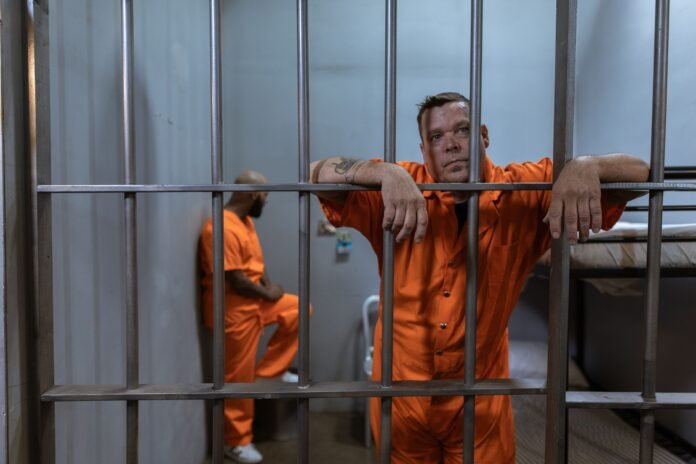
Housing arrangements vary depending on the facility and security level, but most inmates share cells or dormitory-style spaces with limited privacy. Bunks are often stacked in tight quarters, and personal belongings are restricted to a small allotted space. Common areas like showers, recreation yards, and dayrooms are shared among large groups, which can create tension, especially in overcrowded facilities. Noise levels tend to stay high throughout the day, and quiet moments alone are rare. For many, learning to navigate close quarters with strangers, some of whom may have very different backgrounds or temperaments, becomes an ongoing daily challenge.
Work, Education, and Structured Programs
Many correctional facilities offer work assignments, ranging from kitchen duty and laundry to skilled trades like woodworking or textile production. These jobs typically pay very little, sometimes just cents per hour, but they help pass the time and can teach practical skills. Educational programs are also common, with some facilities offering GED preparation, vocational training, or even college courses through partnerships with outside institutions. Participation in these programs is often encouraged, since idle time tends to breed conflict and can negatively affect an inmate’s behavioral record, which in turn can influence parole decisions down the line.
Safety, Relationships, and Mental Health
Personal safety is a constant concern in many facilities, and inmates often form alliances or social groups based on shared backgrounds for protection and companionship. Violence, while not a daily occurrence for most, remains a real risk, particularly in higher security environments. Maintaining relationships with family on the outside becomes difficult, limited to scheduled phone calls, monitored letters, and occasional visitation windows that can be emotionally draining for everyone involved. The psychological toll of isolation from loved ones, combined with the stress of confinement, contributes to elevated rates of anxiety and depression among incarcerated populations, which is why access to mental health resources inside facilities matters so much.
The Path Toward Release and Reentry
For those with a defined sentence, the possibility of parole or release becomes a central focus as time passes. Good behavior, program participation, and disciplinary records all factor into parole board decisions, and the process can feel opaque and stressful for inmates trying to plan their future. Many people navigating sentencing, appeals, or parole hearings rely heavily on the guidance of a criminal attorney to understand their options and advocate on their behalf throughout the process. Preparing for life after release brings its own set of challenges, including finding employment, securing housing, and reconnecting with family, all of which can feel daunting after an extended period of confinement.
Conclusion
Life in prison is shaped by routine, restricted freedom, and constant adaptation to an environment that few people outside the system truly understand. From the moment inmates wake up to the moment they return to their cells at night, nearly every aspect of daily life is structured and supervised. While conditions vary widely between facilities, the underlying experience of lost autonomy, strained relationships, and psychological strain tends to be a common thread. Gaining a clearer understanding of this reality is an important step toward more informed conversations about criminal justice, rehabilitation, and what meaningful reform might actually look like going forward.