


Introduction
Air travel remains one of the safest forms of transportation in the world, thanks to continuous advancements in technology, engineering, and operational procedures. While many travelers focus on comfort, convenience, and flight schedules, the aviation industry constantly works behind the scenes to improve safety at every stage of a journey. From sophisticated navigation systems to real-time aircraft monitoring, modern innovations help reduce risks and enhance passenger confidence. Understanding some of these developments can give travelers a greater appreciation for the complex network of technologies and professionals dedicated to keeping flights safe.
Enhanced Aircraft Monitoring Systems
One of the most significant safety innovations in recent years is the use of advanced aircraft monitoring systems. Modern airplanes are equipped with thousands of sensors that continuously collect data about engine performance, fuel efficiency, cabin conditions, and structural integrity.
These systems allow airlines and maintenance teams to identify potential issues before they become serious problems. Instead of relying solely on scheduled inspections, operators can use predictive maintenance strategies that analyze performance data in real time. This proactive approach helps reduce mechanical failures and ensures aircraft remain in optimal operating condition. Travelers may never see these systems in action, but they play a crucial role in maintaining high safety standards throughout the aviation industry.
Smarter Navigation and Collision Avoidance Technology
Aircraft navigation has become far more precise than it was decades ago. Modern planes use satellite-based navigation systems that provide highly accurate positioning information, helping pilots maintain safe and efficient flight paths.
In addition to navigation improvements, collision avoidance technology has dramatically enhanced safety. Traffic Collision Avoidance Systems, commonly known as TCAS, help detect nearby aircraft and provide pilots with immediate instructions when potential conflicts arise. These systems work independently of air traffic control and add an extra layer of protection in crowded airspace.
Advanced weather radar systems also contribute to safer flights by helping pilots avoid severe turbulence, thunderstorms, and other hazardous weather conditions. Combined, these technologies reduce uncertainty and support better decision-making during every phase of flight.
Ground Operations Safety Improvements
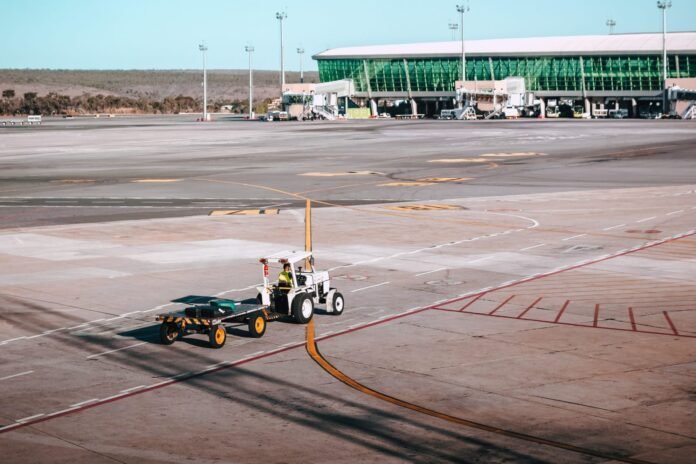
Aircraft safety begins long before passengers board the plane. Airports have implemented numerous innovations designed to improve safety on the ground, where thousands of vehicles, aircraft, and personnel operate simultaneously.
Modern airports use sophisticated tracking systems to monitor aircraft movement across taxiways and runways. These systems help reduce the risk of runway incursions and improve communication between pilots and ground controllers. In addition, specialized aircraft ground support equipment is designed with advanced safety features that assist with fueling, baggage loading, aircraft towing, and maintenance activities.
Many airports are also adopting automated guidance systems that help ground crews position equipment accurately and safely. These innovations minimize human error and create a safer environment for both aviation workers and passengers.
Advanced Pilot Training and Simulation
Technology has transformed the way pilots are trained. Today’s flight simulators are incredibly realistic and can recreate a wide range of scenarios, including equipment failures, severe weather, and emergency situations.
Pilots regularly undergo simulator training to maintain their skills and prepare for unexpected events. These training sessions allow crews to practice handling rare but critical situations in a controlled environment. Because the simulations closely replicate real aircraft behavior, pilots gain valuable experience without the risks associated with actual flight operations.
Artificial intelligence and data analytics are also being incorporated into training programs. These tools help identify areas where additional instruction may be beneficial, allowing airlines to continuously improve pilot performance and safety outcomes.
Cabin Safety Innovations for Passengers
While significant attention is given to aircraft systems and pilot operations, passenger safety inside the cabin has also benefited from ongoing innovation. Modern aircraft cabins are designed using advanced materials that improve fire resistance and structural durability.
Emergency lighting systems have become more effective, guiding passengers toward exits even in low-visibility situations. Safety briefings have evolved as well, with many airlines using interactive videos and visual demonstrations that capture passenger attention more effectively than traditional announcements.
Another important development is the improvement of cabin air filtration systems. High-efficiency particulate air, or HEPA, filters help maintain cleaner cabin environments by removing a large percentage of airborne particles. Enhanced cabin monitoring systems also allow flight crews to track environmental conditions and respond quickly to any issues that may affect passenger wellbeing.
Data-Driven Safety Management
Perhaps one of the most impactful innovations in aviation safety is the industry’s reliance on data-driven decision-making. Airlines, manufacturers, airports, and regulatory agencies collect enormous amounts of operational data every day.
By analyzing flight data, organizations can identify patterns, detect emerging risks, and implement preventive measures before incidents occur. Flight Data Monitoring programs review information from routine flights to uncover potential safety concerns that might otherwise go unnoticed. This emphasis on continuous improvement has helped the aviation industry strengthen safety practices across the globe.
Data sharing between aviation stakeholders further enhances safety by allowing organizations to learn from operational experiences and implement best practices. As analytics technology continues to improve, the industry’s ability to predict and prevent potential hazards will only become stronger.
Conclusion
Aircraft safety is the result of countless innovations working together across every stage of air travel. Advanced monitoring systems, smarter navigation technology, improved ground operations, sophisticated pilot training, enhanced cabin safety features, and data-driven safety programs all contribute to making modern aviation remarkably safe. While travelers may only see a small portion of these efforts, the industry’s ongoing commitment to innovation ensures that safety remains the highest priority. The next time you board a flight, you can take comfort in knowing that a vast network of technologies and professionals is dedicated to protecting your journey from departure to arrival.