


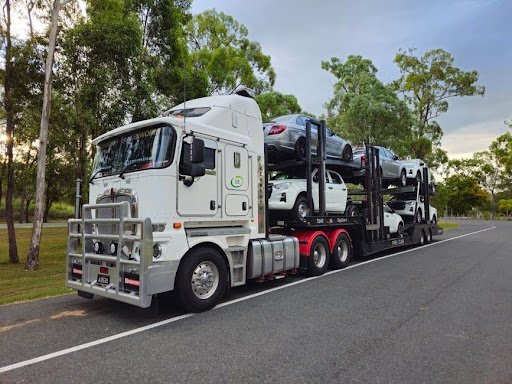
When you need to move a car from one place to another, the process can seem simple until the details start piling up. Timing, cost, distance, insurance, pickup access, and vehicle condition all matter more than most people expect. If you run a business, relocate often, buy cars remotely, or manage a fleet, understanding vehicle transport can save you money and a fair amount of stress. A little planning goes a long way when your car can’t exactly hop on a plane by itself.
How to choose a transport provider without guessing
Picking a transport company shouldn’t feel like throwing darts in the dark. You want a provider with clear communication, proper licensing, insurance coverage, realistic timelines, and experience with your type of vehicle.
Look at online reviews, but read them with some common sense. A company with hundreds of jobs will probably have a few unhappy customers. What matters is the pattern. Do people mention missed pickups, surprise fees, or weak communication? That’s useful information.
When evaluating providers, check for:
– Licensed and insured operations
– Transparent quotes
– Inspection procedures
– Damage claim process
– Estimated pickup and delivery windows
– Experience with specialty or commercial vehicles
For example, Geyers has transported vehicles for over 20 years, which matters when you need a company that understands real transport logistics instead of just making optimistic promises over the phone.
What vehicle transport actually includes
Vehicle transport means moving a car, truck, SUV, or specialty vehicle from one location to another without you driving it there yourself. That can involve local relocation, long-distance hauling, dealership transfers, auction purchases, breakdown moves, or corporate fleet support.
You’ll usually choose between open and enclosed transport. Open carriers are more common and often cheaper. Enclosed transport offers extra protection for luxury, antique, or high-value vehicles.
The service can also vary by situation:
– Door-to-door delivery
– Terminal-to-terminal transport
– Single-vehicle hauling
– Multi-vehicle commercial transport
– Non-running vehicle transport
If you’re thinking this sounds like logistics with a steering wheel, you’re not wrong. The details shape both the price and the experience.
Why businesses use vehicle transport more often than you might think
Businesses rely on vehicle transport for reasons that go well beyond emergencies. A dealership may need cars moved between lots. A construction company may shift support vehicles to a new region. A corporate office may relocate employees and include car transport as part of the package.
Fleet managers often use transport to reduce wear and tear. Sending a vehicle across several states with a driver adds mileage, fuel costs, hotel bills, and the risk of delays or accidents. Transport can be cleaner, faster, and easier to track.
It also helps with:
– Seasonal fleet repositioning
– Auction and wholesale purchases
– Employee relocation support
– Specialized equipment movement
– Faster inventory balancing between locations
For small businesses, transport can keep operations moving without pulling staff away from their actual jobs. That alone can be a pretty solid return on investment.
What affects the cost of shipping a vehicle
Vehicle transport pricing depends on several moving parts, and yes, that pun earned its spot. Distance is a major factor, but it’s not the only one. Route popularity, carrier availability, vehicle size, fuel prices, condition, and delivery urgency all influence the quote.
A compact sedan on a busy route usually costs less to move than a lifted truck headed to a rural area. Non-running vehicles often cost more because they need special loading equipment.
Common cost factors include:
– Total distance and route demand
– Vehicle weight and dimensions
– Open or enclosed carrier choice
– Running or non-running condition
– Seasonal demand spikes
– Expedited scheduling
If a quote seems suspiciously low, read the fine print. The cheapest option sometimes comes with hazy timing, limited communication, or fees that appear later like uninvited guests.
How to prepare your vehicle before pickup day
A smooth transport job starts before the carrier arrives. You’ll need to prep the vehicle so the driver can inspect it quickly and load it safely. This part is easy to overlook, but skipping it can create delays or confusion.
Wash the car first. Dirt hides scratches, chips, and dents, which makes condition reports less accurate. Remove personal items unless the provider clearly allows limited contents. Fold in mirrors if needed, check for leaks, and leave only about a quarter tank of gas.
Before pickup, handle these basics:
– Take clear photos from multiple angles
– Document existing damage
– Remove toll tags and parking passes
– Secure or remove loose accessories
– Disable alarms if necessary
– Have keys ready for the driver
Think of it as setting your vehicle up for a clean handoff. Less chaos at pickup usually means fewer headaches later.
Open vs enclosed transport: which one makes sense for you
Open transport works well for most everyday vehicles. It’s widely available, practical, and more budget-friendly. Your car will be exposed to weather and road dust, but that’s usually acceptable for regular sedans, SUVs, and work trucks.
Enclosed transport is a better fit when the vehicle has high value, sentimental importance, or delicate finishes. Classic cars, luxury models, exotic vehicles, and restored collectibles often benefit from the extra protection.
Here’s a simple way to think about it:
– Open transport: lower cost, common choice, faster availability
– Enclosed transport: higher cost, more protection, ideal for premium vehicles
If replacing a scratched bumper would ruin your week, enclosed shipping may be worth the extra money. If your vehicle is a daily driver with a few battle scars already, open transport is often perfectly reasonable.
Real-world timing issues people forget to plan for
Transport schedules are usually built around windows, not exact appointment times. Weather, traffic, route changes, mechanical issues, and loading sequences can all affect timing. That doesn’t mean the service is unreliable. It means the industry runs in the real world, where roads and weather tend to have opinions.
If you need a vehicle delivered by a hard deadline, build in a cushion. Don’t schedule transport to arrive the night before a move, a sale, or a major event.
Timing can shift because of:
– Carrier route optimization
– Seasonal storms
– Rural pickup limitations
– Urban street access restrictions
– High-demand periods
Good transport companies set realistic expectations and stay in contact when plans move. That kind of communication is often the difference between a manageable delay and a full-blown panic spiral.
Why vehicle transport is part of smarter operational planning
Vehicle transport isn’t only about moving a car. It’s a practical business tool that supports efficiency, asset protection, and time management. For individuals, it can make relocations, online vehicle purchases, and seasonal moves much easier. For companies, it helps protect labor hours, control mileage, and reduce operational friction.
The smartest approach is simple: know what you need, ask specific questions, and choose a provider with a track record that matches the job. A rushed booking can work out, but careful planning usually works out better.
When you understand pricing, prep requirements, timing realities, and service options, you can make decisions with a lot more confidence. And confidence is useful when the thing being shipped weighs two tons and has your name on the registration.