


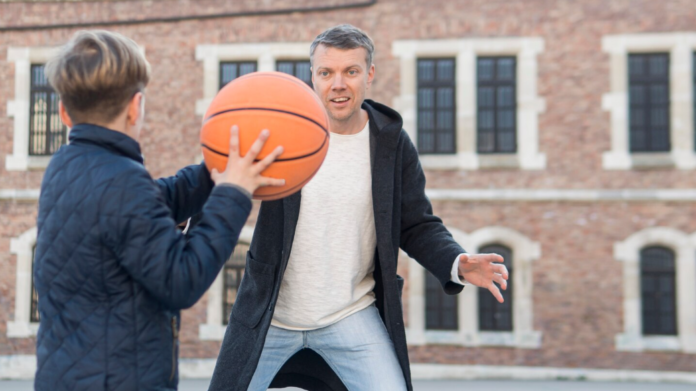
Basketball has rapidly grown to become a cornerstone of Australian youth sports. According to the 2024 to 2025 AusPlay data released by the Australian Sports Commission, it is now the second most popular team participation sport in the country. The survey reports that approximately 1.3 million Australians participate in the sport, with over 350,000 regular junior players making it a top choice for children. Parents searching for the right program, such as basketball for 9 year olds, often wonder how to best support their athletic journey. Looking at the backgrounds of famous professional players reveals a consistent theme. The most successful basketball families prioritise enjoyment, resilience, and a well-rounded upbringing over intense early pressure.
The Multi-Sport Approach Over Early Specialisation
When parents dream of their child reaching the professional leagues, the temptation is to focus on a single sport as early as possible. However, many legendary athletes took the opposite route. Four-time NBA champion Stephen Curry credits much of his foundational development to his mother, Sonya Curry. A former Division I volleyball player, Sonya encouraged cross-training and multi-sport athleticism, deliberately avoiding strict basketball-only regimens during his childhood. Similarly, Australian NBA champion Patty Mills did not specialise right away. He began his journey at age four playing for an informal community club established by his parents, but he consistently juggled basketball with Australian rules football and cross-country running.
Science strongly supports this diversified approach to child development. A comprehensive review published by Clinics and Practice evaluated over 62,000 youth athletes and found that early sport specialisation is associated with an increased risk of overuse injuries and poor psychological outcomes. Instead of offering a clear advantage for long-term athletic success, committing to a single sport before puberty often leads to worse functional performance. Encouraging children to play various sports helps them develop different muscle groups while preventing the mental burnout often seen in heavily pressured child athletes.
Keeping the Focus on Fun and Community
One of the biggest threats to youth athletic development is burnout. Recent 2026 AusPlay data highlights a massive youth sports dropout rate, with approximately 60 percent of Australian girls and 42 percent of boys leaving organised sports by age 15. A supporting study identified that intense competitive pressure and a simple lack of fun are primary barriers causing youths to abandon sports. To combat this, successful basketball families keep the game enjoyable. Chicago Bulls star Josh Giddey was raised by two former Australian professional players, Warrick and Kim Giddey. His father publicly advocates that parents should focus on their children’s happiness rather than immediate athletic success.
For parents introducing their children to the sport, finding the right environment is critical. Community programs tailored to the late childhood bracket are increasingly adopting modified formats, such as smaller courts and non-competitive leagues, to ensure equal participation. When looking for a local team, parents should seek out grassroots initiatives that focus on fundamental skill acquisition. Australian legend Lauren Jackson also benefited from this relaxed approach. Her parents, both former national team players, allowed her to develop at her own pace, keeping the sport fun while she absorbed the game naturally.
Core Lessons from Basketball Parents
Sports psychologists and paediatric experts consistently advocate that parents act as supportive facilitators rather than strict managers. Exploring the biographies and family histories featured across various athlete profiles in our sports section shows that building confidence is far more effective than applying pressure. Sonya Curry famously utilised a Montessori style of parenting, allowing her children to make their own mistakes and discover their intrinsic motivation. Localised grassroots initiatives have also proven that focusing on inclusivity rather than elite pressure can successfully boost youth participation.
To nurture young athletic talent effectively, parents can adopt several key strategies inspired by these famous families:
- Encourage multi-sport participation: Allow children to explore different athletic activities to build overall coordination and prevent repetitive strain injuries.
- Prioritise enjoyment over winning: Focus on the fun aspects of the game, such as making friends and learning new skills, rather than the final score on the board.
- Let them set the pace: Give children the autonomy to decide how much they want to play or practice, fostering an intrinsic, lifelong love for the sport.
- Focus on community building: Join local clubs that value teamwork, inclusivity, and equal participation, ensuring every child feels like a valued member of the squad.
Raising a young athlete is less about rigorous training schedules and more about creating a supportive, balanced environment. By focusing on multi-sport participation, community building, and personal enjoyment, parents can help their children develop a healthy relationship with physical activity. Whether a child goes on to play professionally or simply enjoys a casual weekend game with friends, these foundational years should be all about having fun and building lasting confidence on and off the court.