


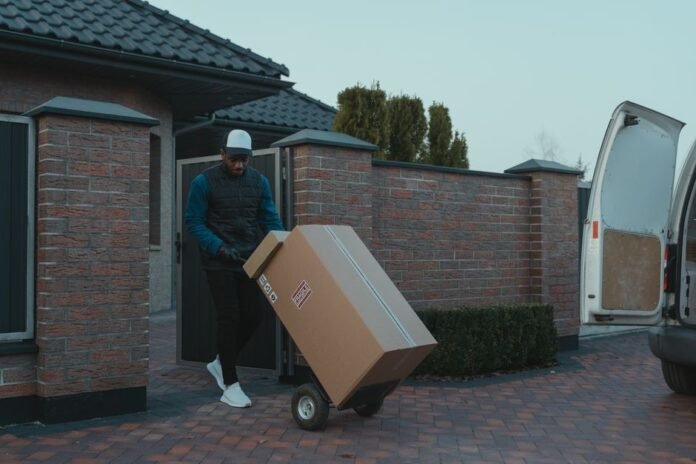
If you’re planning a long-distance move, you’re dealing with more than boxes and bubble wrap. You’re coordinating timing, budget, paperwork, and a serious amount of decision-making. If your move starts in South Florida, that pressure can feel even sharper. In West Palm Beach, the median home sale price was about $499,678 in June 2026, up 5.9% year over year, while 623 homes sold during the month, a 39% increase from the previous year.
That activity matters because more transactions can mean tighter closing schedules, overlapping move dates, and less room for delays. The broader market is active too: Palm Beach County recorded 2,553 home sales in June 2026, up 30.6% year over year. A smart moving plan helps you stay organized before the first box even gets taped.
Know What Makes a Long-Distance Move Different
A long-distance move isn’t just a local move with extra miles added on.
It usually involves state regulations, delivery windows, weight-based pricing, and more detailed logistics.
You’re not only thinking about how items leave your home. You’re also managing how they arrive, when they arrive, and what condition they’re in after hundreds or even thousands of miles.
That changes your planning priorities. You may need a detailed inventory, flexible travel dates, and a backup plan for essentials like medication, chargers, and key documents.
If you’re moving from a condo or apartment, building rules can complicate the process. Elevator reservations, parking access, and certificate-of-insurance requirements often show up at the worst possible moment.
The broader point is simple: distance multiplies small mistakes. A mislabeled box in a local move is annoying. In a cross-state move, it can feel like your coffee maker entered witness protection.
Choose Movers With the Right Experience
Not every mover is built for long-haul work.
A company that handles local apartment moves efficiently may not have the systems, drivers, or scheduling structure needed for interstate relocations.
You want movers who understand route planning, delivery coordination, valuation coverage, and inventory tracking. If you’re comparing West Palm Beach long distance movers, pay attention to more than price.
Check whether they handle packing, storage, specialty items, and pickup scheduling in a way that matches your situation. For a more hands-off move, experienced office movers can also be helpful when packing, transportation, and other logistics need to
A family moving a four-bedroom house has very different needs from a recent grad relocating with a studio apartment and a gaming setup.
Practical questions matter:
– Are they licensed for interstate moves?
– Do they provide binding or non-binding estimates?
– What is the delivery window?
– How are claims handled?
– Will your items be transferred between trucks?
You’re not hiring people to move objects. You’re hiring a system to move your life with as little friction as possible.
Start With a Realistic Budget, Not a Guess
One of the easiest ways to derail your move is underestimating the cost.
Long-distance moving prices can shift based on distance, shipment weight, access conditions, packing services, storage needs, and timing.
Summer moves often cost more because demand climbs. End-of-month and weekend bookings can also push pricing upward.
That means the cheapest-looking quote isn’t always the cheapest move once extra fees appear.
Build your budget in layers:
– Moving company charges
– Packing supplies
– Temporary lodging if needed
– Fuel or flights
– Utility setup fees
– Storage costs
– Tipping and insurance upgrades
It helps to leave a buffer of at least 10 to 15 percent.
Not because disaster is guaranteed, but because moving has a talent for inventing surprise expenses.
Ask for written estimates and read the fine print carefully. Look for charges tied to stairs, long carrying distances, shuttle trucks, or delays. A polished quote means very little if the billing details are murky.
Declutter Before You Pack a Single Box
Packing everything you own may feel efficient, but it usually means paying to transport things you don’t even want.
Long-distance moves charge you for volume, weight, or both, so clutter gets expensive fast.
Go room by room and sort items into four groups:
– Keep
– Donate
– Sell
– Toss
Be ruthless with duplicates, damaged furniture, old cables, and clothes you haven’t touched in years.
That bread maker from 2018 had a good run. You don’t need to fund its cross-country tour.
Decluttering also helps when you unpack. Instead of opening box after box of random leftovers from previous apartments, you’re setting up your new place with items that actually fit your current life.
If time is tight, focus on the biggest cost-drivers first: furniture, books, garage items, and kitchen equipment. Heavy items can quietly inflate moving costs.
Sell large items early if they won’t suit your next home. A sectional that fits perfectly in West Palm Beach may become a giant upholstered obstacle in a smaller city apartment.
Pack Strategically and Protect the Essentials
Good packing isn’t about making your boxes look neat.
It’s about reducing damage, simplifying delivery, and making your first few days livable.
Label every box with two things: the destination room and a quick list of contents.
“Bedroom” alone isn’t enough. “Bedroom – sheets, lamp, phone charger” saves real time later.
Use sturdy boxes, reinforce the bottoms with tape, and avoid overpacking. Heavy boxes break more easily and are harder to carry safely. Wrap fragile items individually and fill empty space so things don’t shift in transit.
Set aside an essentials bag or suitcase for each person.
Include:
– Two or three days of clothes
– Toiletries
– Medications
– Important documents
– Chargers
– Snacks
– Pet supplies
– Basic tools
Keep passports, leases, IDs, financial records, and moving contracts with you, not on the truck.
If your shipment arrives later than expected, you’ll still have what you need to function without panic-scrolling through mislabeled boxes.
Prepare for Timing Gaps and Delivery Windows
Long-distance moves rarely run on exact, minute-by-minute timing.
Even strong companies usually provide a delivery window rather than a fixed arrival hour.
Traffic, weather, route changes, and shipment coordination all affect the timeline.
That means you should plan for a gap between leaving your old home and fully settling into the new one.
You may need temporary housing, air mattresses, or a short-term storage solution.
This becomes especially important if you’re closing on a home, starting a job, or syncing the move with a school calendar.
Real life doesn’t always line up neatly with truck logistics.
Try these practical steps:
– Confirm pickup and delivery windows in writing
– Ask who to contact during transit
– Keep your phone available on moving days
– Avoid scheduling major commitments right after arrival
– Arrange utility activation before move-in day
A smooth move often depends less on perfect timing and more on your ability to handle imperfect timing without chaos taking over the room.
Set Yourself Up for a Better Arrival
Your move isn’t finished when the truck pulls away.
The first week in your new home shapes how stressful or manageable the whole experience feels in hindsight.
Start by checking delivered items against your inventory before signing final paperwork.
If anything is damaged or missing, document it immediately with photos and notes.
Waiting too long can make claims harder to resolve.
Unpack the high-function areas first:
– Bed and linens
– Bathroom basics
– Kitchen essentials
– Work or school setup
– Pet items
That gives you a usable home quickly, even if half the boxes stay closed for a few more days.
You should also update your address with banks, employers, insurance providers, subscriptions, and the United States Postal Service. Small admin tasks are easy to ignore during a move, then oddly powerful when they go wrong.
A long-distance move will test your planning skills, patience, and tape supply. With solid preparation and the right moving support, you can make the process far more efficient and much less brutal.