


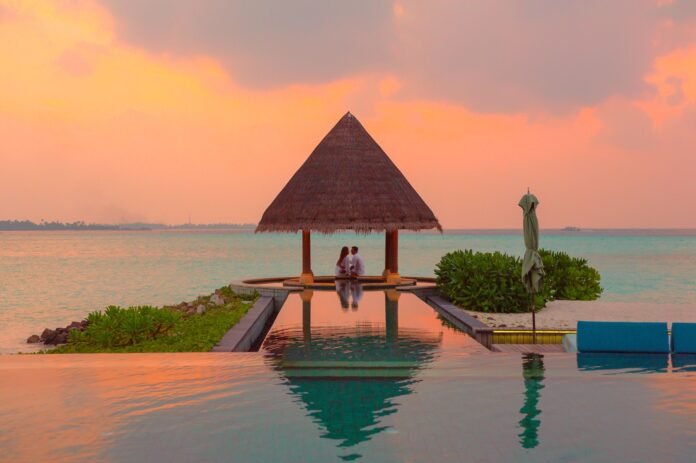
For decades, the ultimate island vacation was defined by a simple formula of sun, sand, and an ocean view. Today, however, affluent travelers are expecting much more from their time away. While the foundation of any great trip still begins with solid preparation (and you can find excellent advice in our guide on planning a stress-free beach vacation), the destination itself needs to offer a deeper level of engagement. Modern travelers are trading standard material comfort for experience-led journeys grounded in authentic cultural storytelling and profound physical restoration. This shift is rapidly transforming the hospitality industry, elevating global expectations for what a beach holiday should truly look and feel like.
The Rise of Restorative Escapes
Wellness is no longer just an optional massage on a rainy afternoon. It is now a primary motivator for booking a flight. International wellness tourists are currently spending 41 percent more per trip than average vacationers, pushing hospitality brands to rethink their entire approach and focus on destination depth rather than mere visitor volume.
The economic impact of this trend is staggering. According to industry data, the global wellness economy reached a new peak of 6.8 trillion dollars in 2024 and is projected to expand by 7.6 percent annually. By 2034, comprehensive wellness programming will fully transition from an optional perk to a non-negotiable standard across all premium hospitality segments. In places like Southeast Asia, international demand for high-end retreats combined with authentic traditional healing therapies is driving unprecedented growth in the sector.
Architectural Storytelling and Cultural Immersion
Alongside physical well-being, there is a massive surge in demand for heritage tourism, a market projected to reach 937 billion dollars globally by 2033. For travelers wanting to experience this modern shift firsthand, the best resorts in Phu Quoc perfectly capture this dual appeal by seamlessly blending local history with world-class wellness amenities. A recent global travel trends report revealed that 91 percent of younger affluent travelers are actively seeking out unconventional accommodations like these, targeting stays in preserved historical spaces rather than generic contemporary high-rises.
In Southeast Asia, this demand has sparked a beautiful resurgence of Indochine style architecture. This design philosophy effortlessly blends French colonial elegance, featuring neoclassical arches and elegant neutral color palettes, with traditional regional materials such as natural wood, rattan, and baked bricks. It provides guests with an immediate, immersive sense of place the moment they arrive, bridging the gap between modern luxury and local history.
A New Era of Island Hospitality
This intersection of wellness and heritage is especially visible in emerging luxury destinations. Phu Quoc, a lush island in Vietnam, has recently evolved into a major international hub for exactly this type of elevated travel. Recognized by leading travel publications as one of the most beautiful islands in Asia, it successfully balances pristine natural charm with world-class infrastructure. Despite welcoming millions of visitors and enjoying a massive 38 percent surge in travelers recently, the island retains a competitive pricing advantage over older luxury hubs like Singapore or Koh Samui.
By combining authentic 1920s architecture with expansive spa facilities, premier properties in these emerging locations offer a distinct blend of vintage romance and restorative health that standard beach hotels simply cannot match.
Key Elements of a Purposeful Island Getaway
If you want to elevate your next coastal holiday from a basic beach trip to a truly restorative retreat, keep these core elements in mind when booking your stay:
- Holistic wellness programs: Look for properties that offer traditional healing therapies and comprehensive spa itineraries rather than just basic, standalone treatments.
- Architectural authenticity: Seek out accommodations that honor local history, such as repurposed heritage buildings or thoughtful designs utilizing native, sustainable materials.
- Cultural dining experiences: A true luxury getaway should offer fine dining that incorporates authentic regional flavors, allowing you to taste the history of the destination.
- Uncrowded, intentional environments: Opt for destinations that prioritize quality of service and localized experiences over sheer visitor volume.
The affluent travel market has forever changed. As we look toward the future of hospitality, the new standard for luxury is abundantly clear. It is no longer just about infinity pools and room service. It is about finding a unique space where history, culture, and wellness converge, allowing you to return home not just rested, but genuinely inspired.