


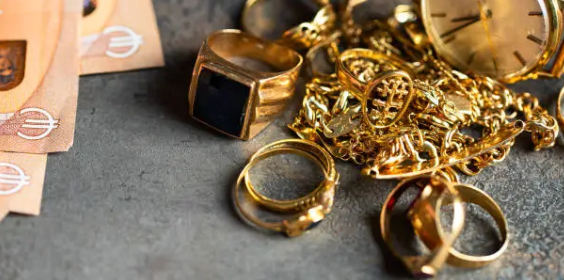
You walk in with a gold necklace, a few coins, or an old bracelet that has been sitting in a drawer for years.
The buyer looks at it. You look at the buyer. Then comes the number. And suddenly, you are doing mental arithmetic you haven’t done since high school.
Selling gold can be straightforward, but knowing whether you are dealing with a reputable buyer is another matter. Gold has real market value, and the person on the other side of the counter should be willing to explain how that value is being calculated. If the process feels rushed, mysterious, or suspiciously vague, that is your cue to slow things down.
So, what separates a trustworthy gold buyer from someone simply looking for a quick deal? Here are five signs worth watching for.
1. They Show Their Work
A buyer who gives you a price without explaining it is asking you to take quite a leap of faith.
A reputable gold buyer should explain the factors behind an offer, including the item’s weight, purity, and current market conditions. Gold jewelry can contain different karat levels, while coins and other pieces may have characteristics that affect their value.
The point is not that you need a crash course in precious metals before making a sale. You don’t. But you should have a basic idea of why the number in front of you is what it is. Transparency is reassuring. Mystery? Less so.
2. They Actually Test the Gold
A shiny piece of jewelry may look convincing. That does not tell you everything. Gold can vary considerably in purity, and some items may contain other metals or simply have a thin gold layer. A professional buyer should use appropriate testing methods to determine what they are actually purchasing.
This matters because an offer should be based on the characteristics of the gold, not a guess made across the counter.
If you’re preparing to sell your gold, ask how the buyer determines purity and weight. A credible professional should be comfortable answering.
3. Nobody Is Breathing Down Your Neck
Ever been told you need to make a decision right now? Funny how that tends to make a deal feel less appealing.
A trustworthy buyer should give you room to think. You may want to compare offers, ask another question, or simply go home and consider whether selling is the right choice. That is perfectly reasonable.
Pressure tactics can turn an otherwise simple transaction into an uncomfortable one. A professional buyer should explain the offer, answer your questions, and let you decide. Your gold. Your decision.
4. Their Reputation Holds Up Under Scrutiny
Before you sell anything valuable, investigate the buyer. Look for an established business presence, customer reviews, clear contact information, and evidence of consistent dealings with sellers. No company will have a flawless review history, someone, somewhere, will probably complain about the weather, but patterns matter.
Pay attention to whether customers repeatedly mention transparent pricing, professional service, and clear communication. A buyer who has nothing to hide should have no problem being researched.
5. They Put the Deal in Writing
A trustworthy transaction should leave a paper trail. Before completing the sale, make sure you understand what is being purchased, the agreed price, and how and when you will receive payment. Ask what documentation you will receive for the transaction.
This may sound like basic housekeeping. It is. Basic housekeeping is underrated. Clear documentation protects everyone involved and gives you something to refer back to if questions arise later.
Trust Should Be Part of the Price
Gold may be measured in grams and karats, but a good selling experience is measured differently.
Did the buyer explain the offer? Did they properly evaluate your items? Did you feel pressured? Could you verify the company’s reputation? Were the transaction details clear? Those questions can tell you plenty.
When you choose to sell gold, the highest offer is not necessarily the only thing worth considering. A fair, transparent process matters too. After all, you are handing over something with tangible value. The least you should get in return is clarity, professionalism, and enough information to make the decision with confidence.