


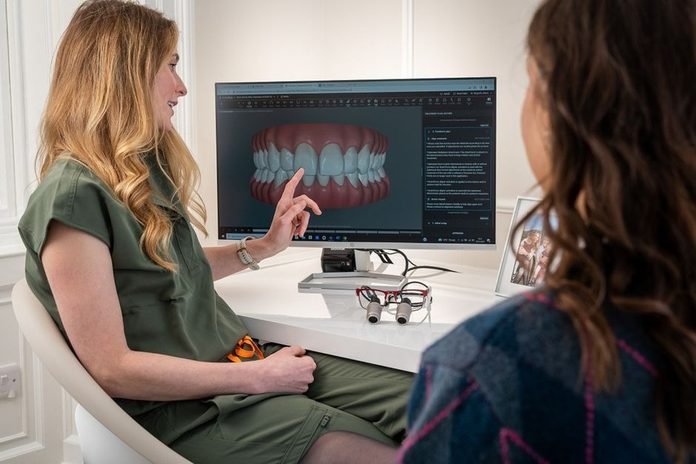
If you’re thinking about braces or clear aligners, you’re probably wondering how much time, money, and patience the whole process actually takes. Fair question. Orthodontic treatment can change how your teeth look and function, but it also affects your schedule, eating habits, and confidence in ways people don’t always mention. If you’re in Spokane, it helps to know what local options, climate, and day-to-day routines can mean for your treatment experience.
Experience matters, especially when your treatment needs a custom plan
Orthodontics isn’t a one-size-fits-all service, even if the marketing sometimes makes it sound that way. The best treatment plans account for your bite, growth stage, dental history, and how your teeth are likely to respond over time. That level of precision usually comes from experience, not guesswork dressed up as confidence.
When you’re evaluating a provider, it helps to look at training, treatment philosophy, and how long they’ve worked with different types of cases. If you’re searching for +20 years of affordable, expert orthodontic care, you’re looking for more than a straight smile. You’re looking for clinical judgment, consistency, and pricing that doesn’t make your wallet stage a protest.
A seasoned orthodontist also tends to explain trade-offs clearly. That’s a good sign. You want answers, not a sales script with extra whitening.
Your orthodontic problem might be more complex than it looks
Crooked teeth are the obvious part. The less obvious part is how your bite fits together when you chew, speak, and rest your jaw. You might have crowding, spacing, an overbite, crossbite, or teeth that erupted at odd angles. Sometimes the issue looks minor in photos but creates real wear on enamel over time.
An orthodontist checks more than alignment. You’re also being evaluated for jaw development, bone support, gum health, and whether there’s enough room to move teeth safely. That matters because treatment isn’t just cosmetic. It’s mechanical, biological, and a little bit strategic.
A proper consultation should include digital imaging, a bite assessment, and a treatment plan that makes sense for your age and goals. If a plan sounds suspiciously simple, your skepticism is doing its job.
Braces and aligners each have trade-offs you should actually care about
You’ve probably heard the basic pitch. Braces stay on your teeth. Aligners come out. Easy enough. The decision gets more interesting when you factor in your habits.
Braces are often better for more complicated movement. They work around the clock because you can’t forget to wear them. Aligners give you more flexibility, but only if you wear them as directed, usually 20 to 22 hours a day. If you tend to snack often or lose things easily, aligners can become a very expensive game of hide-and-seek.
Think about your routine:
– Do you play sports or an instrument?
– Are you likely to keep trays in all day?
– Do you want fewer food restrictions?
– Is your case mild or more involved?
The best option is the one you’ll realistically follow, not the one that sounds coolest in theory.
Cost depends on more than the appliance on your teeth
A lot of people ask for a price before they ask about the treatment itself. That makes sense, but orthodontic costs aren’t just based on whether you pick braces or aligners. Your fee may reflect treatment length, case complexity, imaging, adjustments, retainers, and follow-up care.
Insurance can help, though orthodontic benefits vary wildly. Some plans cover part of treatment for teens but not adults. Some have lifetime maximums that disappear faster than you’d like. Payment plans are common, which can make treatment far more manageable month to month.
If you’re comparing providers, don’t just look at the headline number. Ask what’s included.
– Initial records and consultation
– Emergency visits
– Retainers after treatment
– Lost aligner replacement
– Monitoring after braces come off
Cheap upfront pricing can get less charming once add-on costs start piling up.
Your daily habits can speed things up or quietly derail progress
Orthodontic treatment is a team sport, even if only one person gets the hardware. What you do between appointments has a direct effect on results. Missed visits, poor cleaning, broken brackets, and not wearing aligners or elastics can add months to your timeline.
The boring habits are the ones that matter most:
– Brush carefully around brackets and along the gumline
– Floss with the right tools, not just good intentions
– Wear rubber bands exactly as instructed
– Keep aligners clean and stored properly
– Avoid hard, sticky foods if you have braces
If you live somewhere with busy school schedules, sports, part-time jobs, and winter weather that can throw off appointments, planning ahead helps. Spokane families know that a simple reschedule can turn into a three-week delay. Teeth, annoyingly, don’t pause their movement for calendar chaos.
Retainers are not optional, no matter how done you feel
The day braces come off or your last aligner tray is finished can feel like the end of the story. It isn’t. Teeth have a rude tendency to drift back if you don’t wear retainers as directed. Retention is what protects all the time and money you already invested.
Most people need full-time retainer wear at first, then nighttime wear long term. Long-term often means years, not weeks. That part surprises people, mostly because nobody loves hearing that the maintenance phase also has a maintenance phase.
Ask what kind of retainers you’ll get and how replacements work. Clear retainers can crack. Bonded retainers can loosen. None of that is dramatic, but all of it matters. A good retention plan should be specific, realistic, and easy to follow.
Straight teeth are great. Straight teeth that stay straight are the real win.
Choosing the right orthodontist comes down to trust and clarity
You don’t need a provider who makes big promises in polished language. You need one who explains your case clearly, answers questions without rushing, and lays out realistic expectations for time, cost, and care. That kind of communication makes a big difference, especially if treatment lasts a year or two.
Pay attention during the consultation. Were your options explained in plain language? Did you understand what could make treatment take longer? Were financing and follow-up discussed without awkward vagueness? Clarity is a form of care.
Orthodontic treatment can improve your bite, oral health, and confidence, but the process works best when you go in informed. Ask smart questions. Compare carefully. Pick a plan you can stick with. A better smile is exciting, sure, but a well-run treatment plan is what gets you there without unnecessary surprises.