


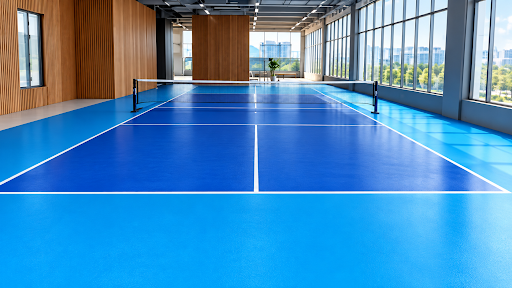
Sports facilities, whether at schools, community centers, or professional venues, depend heavily on the quality of their playing surfaces. A well designed court does more than look appealing, it protects athletes from injury, improves game performance, and extends the lifespan of the entire facility.
As outdoor and indoor sports programs continue to grow, understanding the materials and construction methods behind these surfaces has become essential for anyone involved in planning or maintaining sports infrastructure.
Understanding the Role of Sports Flooring Manufacturers
Choosing the right surface starts with choosing the right partner. Reputable sports flooring manufacturers bring years of technical experience, quality control, and product innovation to every project, ensuring that schools, gyms, and outdoor courts receive flooring systems built to withstand heavy use.
These companies typically offer a wide range of products, from rubber and vinyl flooring for indoor gymnasiums to specialized coatings for outdoor basketball and tennis courts. Working with an established manufacturer also means access to proper installation guidance, warranty support, and materials tested against international safety standards.
For schools and sports organizations investing in long term infrastructure, this expertise can mean the difference between a surface that lasts a decade and one that needs costly repairs within just a few years.
Why Surface Selection Matters for School Sports Programs
School sports programs face unique challenges when it comes to court surfaces. Budgets are often limited, usage is heavy, and the surfaces must accommodate a wide range of activities, from physical education classes to competitive matches and after school clubs.
A poorly chosen surface can lead to increased injury rates, higher maintenance costs, and reduced usability during certain weather conditions. Administrators need to weigh factors such as durability, slip resistance, shock absorption, and ease of maintenance when selecting flooring for gymnasiums or outdoor courts.
Investing in the right surface upfront often reduces long term expenses, since durable materials require less frequent resurfacing and repair. Additionally, surfaces with good shock absorption properties help protect younger athletes whose bodies are still developing, making this a critical consideration for any school administrator.
Outdoor Versus Indoor Court Construction
Outdoor and indoor courts require very different construction approaches, largely due to exposure to weather and environmental factors. Outdoor courts must withstand rain, temperature fluctuations, UV exposure, and general wear from constant use, while indoor courts are more focused on shock absorption, traction, and consistent ball response.
Proper base preparation is critical for both types of courts, since an unstable foundation can lead to cracking, uneven surfaces, and drainage problems over time. Outdoor courts typically require a compacted stone or asphalt base topped with multiple coating layers, while indoor courts often use engineered subfloors combined with cushioned flooring systems. Climate also plays a significant role in material selection, as regions with extreme heat or cold require surfaces engineered to expand and contract without cracking or peeling.
The Benefits of Acrylic Court Surfaces for Outdoor Play
Among the many options available for outdoor sports facilities, the acrylic court surface has become one of the most popular choices for basketball, tennis, and multipurpose courts. This type of surface is valued for its excellent balance of durability, color retention, and playability, making it suitable for both recreational and competitive use.
Acrylic coatings are applied in multiple layers over an asphalt or concrete base, allowing installers to fine tune the surface texture and cushioning level based on the sport being played. These surfaces also offer strong resistance to fading and cracking, which is particularly important for outdoor courts exposed to constant sunlight and temperature changes.
Beyond their functional benefits, acrylic surfaces allow for vibrant color customization, enabling schools and sports facilities to create courts with clear boundary lines, team colors, or branding elements that enhance the overall playing experience.
Maintenance Practices That Extend Court Lifespan
Even the highest quality surface will deteriorate quickly without proper maintenance. Regular cleaning is essential to remove debris, dirt, and organic growth that can cause slipping hazards or surface damage over time. Facilities should establish a routine inspection schedule to identify cracks, drainage issues, or coating wear before they become major problems.
Resealing or recoating outdoor courts every few years helps maintain traction and appearance, while indoor courts benefit from periodic deep cleaning and inspection of seams or joints. Proper maintenance not only extends the life of the surface but also ensures player safety remains a top priority throughout the facility’s use. Facilities that neglect regular upkeep often find themselves facing far more expensive resurfacing projects down the line, making preventive care a wise long term investment.
Making the Right Investment for Your Facility
When planning a new court or renovating an existing one, decision makers should consider the specific needs of their programs, including the types of sports played, expected usage levels, budget constraints, and climate conditions. Consulting with experienced professionals during the planning phase can help avoid costly mistakes and ensure the chosen materials align with long term goals.
It is also worth requesting sample materials or visiting completed projects to evaluate surface quality firsthand before committing to a large scale installation. Taking the time to research options thoroughly, compare warranties, and understand installation requirements will help ensure the final result meets both performance and budgetary expectations.
Conclusion
Sports court surfaces play a far greater role in athletic performance and safety than many people realize. From the foundational base to the final coating layer, every component affects how a court performs and how long it lasts. Schools, sports organizations, and facility managers who take the time to understand their options, whether selecting indoor flooring systems or outdoor coatings, are better positioned to create safe, durable, and enjoyable playing environments.
With careful planning, proper material selection, and consistent maintenance, sports facilities can provide athletes of all levels with surfaces that support both performance and long term value.