


Introduction to Modern Facial Aesthetics
The ongoing pursuit of a youthful and refreshed appearance has propelled facial aesthetics into an era of unprecedented innovation. As of September 2026, the landscape of facial rejuvenation is characterized by rapid technological advancements and a deeper understanding of the biological processes of aging. The global cosmetic surgery market, valued at a substantial US $63.4 billion in 2021, is projected to continue its robust expansion, with a compound annual growth rate (CAGR) of 9.6% from 2022 to 2030. Even more striking, the noninvasive aesthetic treatment market is anticipated to grow at an even faster CAGR of 15.40% from 2023 to 2030, underscoring a significant shift towards less invasive yet highly effective solutions.

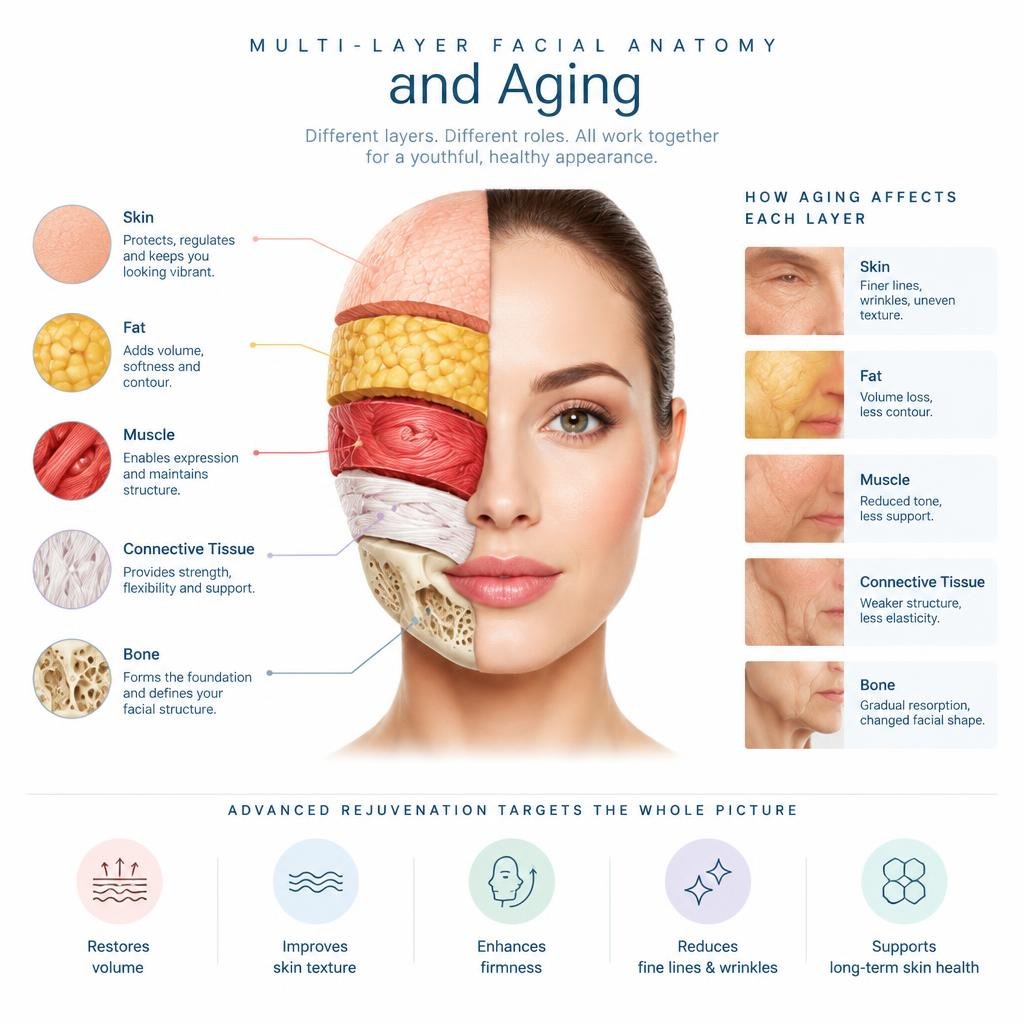
This surge in demand reflects not only a desire for aesthetic improvement but also a growing appreciation for dermatological innovation that delivers natural-looking patient outcomes. Facial aging is a complex process influenced by genetics, environment, and lifestyle, manifesting as volume loss, skin laxity, texture changes, and the appearance of fine lines and wrinkles. Modern treatments are designed to address these multifaceted concerns by targeting the underlying cellular and structural changes, rather than merely superficial symptoms. This comprehensive approach ensures that rejuvenation efforts are more effective, durable, and tailored to individual needs. The extensive research conducted over the past decade, with a significant portion focusing on both invasive and non-invasive techniques, highlights the scientific rigor driving this field forward. North America remains a key revenue generator, while East Asia is experiencing the fastest growth, indicating a global embrace of advanced facial rejuvenation.
Emerging Modalities in Advanced Facial Rejuvenation Treatments
The forefront of advanced facial rejuvenation treatments is defined by a paradigm shift towards regenerative medicine and cellular signaling. These emerging modalities focus on stimulating the body’s natural healing and regenerative capabilities to improve skin quality and promote tissue remodeling from within. Unlike older methods that primarily filled wrinkles or tightened skin mechanically, today’s cutting-edge treatments aim to restore the skin’s youthful architecture at a cellular level. This biological approach is leading to more natural, long-lasting results and is particularly appealing to those seeking to enhance their skin’s health and resilience rather than just altering its appearance. Many practitioners are now incorporating these advanced biological methods into their offerings, broadening the scope of available options for patients. For those exploring the possibilities of such sophisticated approaches, learning about various regenerative facial procedures can provide valuable insights into how these treatments harness the body’s own power to rejuvenate.
Innovations in Advanced Facial Rejuvenation Treatments with Polynucleotides
One of the most exciting developments in regenerative aesthetics involves polynucleotides, often derived from salmon DNA. These biocompatible molecules act as powerful biostimulators, signaling fibroblasts—the skin’s collagen-producing cells—to initiate a cascade of repair and rejuvenation processes. When introduced via intradermal injection, polynucleotides work to enhance dermal cellular repair, stimulate the production of new collagen and elastin, and improve the overall extracellular matrix. This leads to increased dermal elasticity, improved skin texture, reduced pore size, and a more radiant complexion.

Polynucleotide skin boosters, such as Rejuran Healer, have gained significant traction, particularly in East Asian markets like Korea, where they originated. The KFDA cleared Rejuran Healer as early as 2014, and its popularity has surged globally. A standard 3-4 session full-face Rejuran Healer cycle in Korea can cost significantly less than in other regions, making it an attractive option for medical tourists. For example, a single session in Korea might cost around $135 USD, with a full cycle ranging from $405 to $540 USD, which is 50-70% below equivalent costs in the US. This affordability, combined with robust clinical evidence showing less than 1% serious adverse events, has driven a significant portion of the over 600,000 medical tourists to Korea in 2023 seeking these treatments. The protocol typically involves a series of intradermal injections delivered in a precise grid pattern, targeting specific areas of concern to promote deep skin remodeling without adding artificial volume.
Energy-Based Technologies in Advanced Facial Rejuvenation Treatments
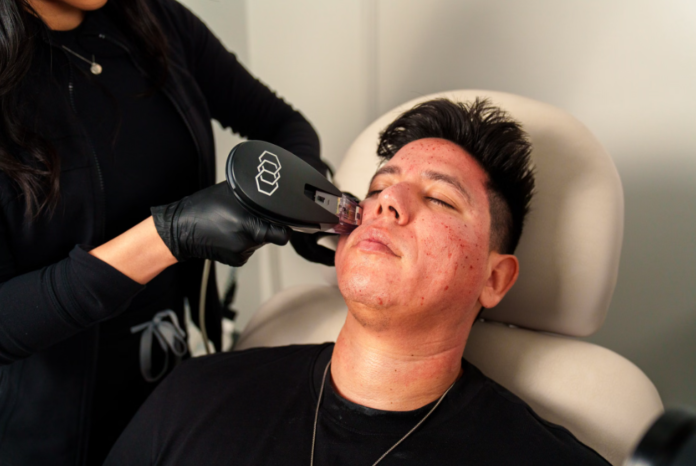
Alongside regenerative injectables, advanced energy-based technologies continue to evolve, offering sophisticated solutions for skin resurfacing and tightening. Triple-wavelength lasers represent a significant leap forward, combining multiple laser wavelengths in a single device to target different layers of the skin simultaneously. For instance, systems like HALO® TRIBRID™ by Sciton integrate 2940nm, 1927nm, and 1470nm wavelengths. This allows for tunable ablation depth, pigment polishing, and deep dermal renewal in one session. The 2940nm wavelength can ablate from 20 to 150 microns, the 1927nm targets pigment with adjustable energy, and the 1470nm penetrates 300-700 microns for deeper collagen synthesis, often speeding up treatment by up to 50%.
These advanced lasers are equipped with smart technologies like dynamic thermal optimization, which automatically adjusts energy delivery based on skin temperature, ensuring both efficacy and patient safety. Real-time navigation systems guide practitioners for consistent coverage, making treatments more precise and predictable. Beyond lasers, other energy modalities like radiofrequency microneedling and high-intensity focused ultrasound (HIFU) also play crucial roles. Radiofrequency microneedling combines the collagen-inducing benefits of microneedling with the skin-tightening effects of radiofrequency energy, stimulating collagen synthesis and improving texture. HIFU, on the other hand, delivers focused ultrasound energy to deeper tissue layers, causing thermal coagulation points that trigger a wound-healing response and subsequent lifting and tightening. These technologies effectively address a wide range of concerns, from fine lines and wrinkles to sun damage, dyschromia, and laxity, offering comprehensive facial rejuvenation.
Non-Surgical vs. Surgical Rejuvenation Approaches
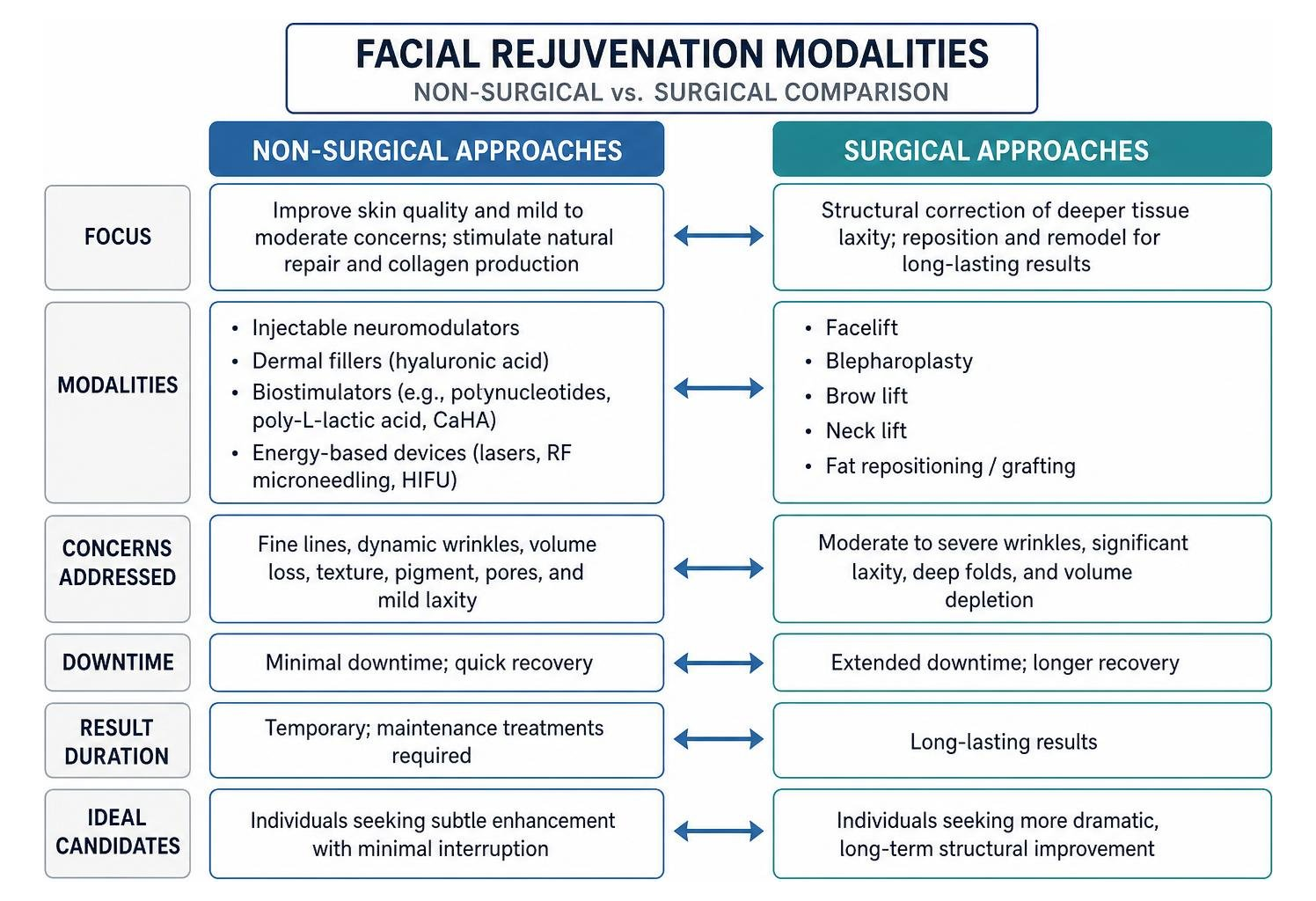
The choice between non-surgical and surgical facial rejuvenation approaches hinges on several factors, including the desired degree of structural correction, tolerance for recovery timelines, individual patient selection criteria, and expectations regarding procedural longevity. Non-surgical methods generally offer minimal downtime and target superficial to moderate concerns, while surgical interventions provide more dramatic and long-lasting structural alterations, addressing deeper tissue laxity and repositioning.
Many individuals today are seeking effective ways to enhance their appearance without committing to the recovery time and invasiveness associated with surgery. Options for non-surgical cosmetic treatments have expanded dramatically, providing a broad spectrum of choices for those looking to refresh their look with less interruption to their daily lives. The decision often comes down to a careful assessment of a patient’s goals, their anatomy, and their lifestyle.
Injectable Neuromodulators and Biostimulators
Injectable treatments remain a cornerstone of non-surgical facial rejuvenation, valued for their efficacy and minimal downtime. Neuromodulators, such as botulinum toxin, are widely used to relax specific facial muscles, reducing the appearance of dynamic rhytids—wrinkles that form with facial expressions, particularly on the forehead, between the eyebrows, and around the eyes. The effects typically last for several months, requiring maintenance treatments.
Hyaluronic acid (HA) fillers are another highly popular category, constituting a significant portion of total interventions in the analyzed literature. HA, a naturally occurring substance in the skin, is used to restore lost volume, smooth static wrinkles, and enhance facial contours. Common applications include augmenting lips, filling nasolabial folds, and improving cheek volume. Beyond HA, biostimulators like poly-L-lactic acid or calcium hydroxylapatite work by stimulating the body’s own collagen production over time, offering gradual and natural-looking volume restoration. While generally safe, effective adverse event management is crucial for all injectables, with potential side effects including bruising, swelling, and, rarely, more serious complications. Proper technique and patient selection are paramount to ensuring optimal results and minimizing risks.
Deep Structural and Surgical Interventions
For individuals seeking more significant and permanent changes, deep structural and surgical interventions remain the gold standard. Procedures like the deep plane facelift address not only the skin but also the underlying muscle and fat layers, providing comprehensive tissue repositioning and a more natural, lasting lift compared to older facelift techniques. This advanced approach can significantly reduce signs of aging in the mid-face, jawline, and neck.
Blepharoplasty, or eyelid surgery, is a common surgical procedure performed to rejuvenate the eye area by removing excess skin, fat, and muscle from the upper and lower eyelids, correcting droopy eyelids and under-eye bags. Submental contouring, which can involve liposuction or surgical removal of excess fat and skin, effectively addresses a double chin and refines the jawline. Oculoplastic techniques, performed by specialized surgeons, are particularly adept at addressing the delicate structures around the eyes, ensuring both aesthetic improvement and functional preservation. While surgical recovery involves a longer downtime compared to non-surgical options, the results are typically more dramatic and enduring, often lasting for many years. Careful patient selection and a thorough understanding of the surgical process are essential for successful outcomes.
Safety Profiles, Adverse Events, and Clinical Considerations
Ensuring patient safety is paramount in advanced facial rejuvenation. A comprehensive understanding of safety profiles, potential adverse events, and rigorous clinical considerations guides practitioners in delivering effective and responsible care. Research indicates that pain and pain-related events are the most prevalent adverse events, reported in 18.6% of publications, with a significant majority (80.6%) associated with invasive interventions. Erythema (redness) is also common, reported in 17.4% of publications, and is equally distributed between invasive and non-invasive treatments. Other frequently reported adverse events include swelling and bruising.
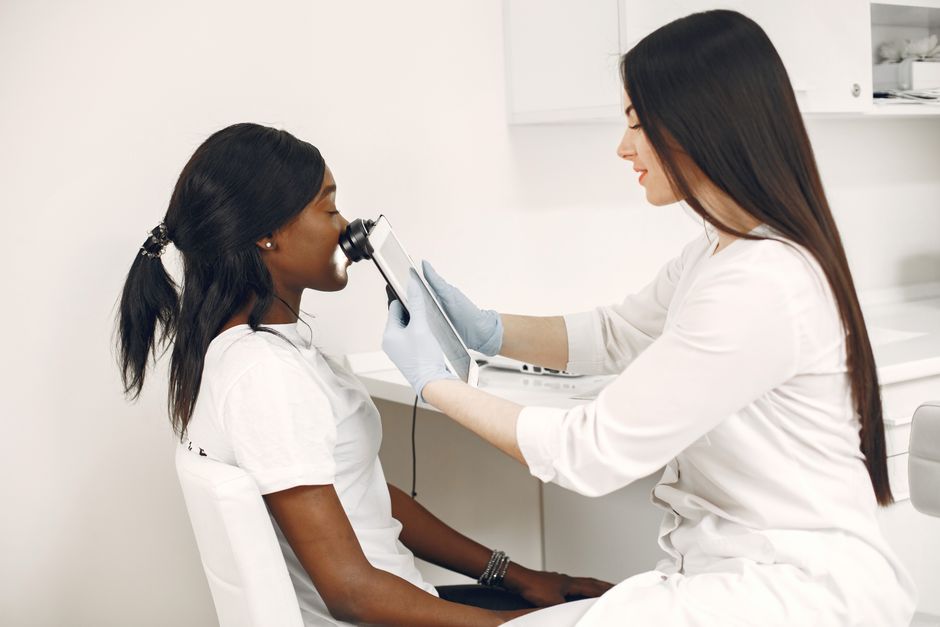
To mitigate these risks, best practices emphasize the use of validated outcome measures, such as wrinkle severity scores and patient-reported satisfaction, to objectively assess treatment efficacy and safety. Consistent reporting of adverse events is crucial for building a robust safety profile for each procedure. Furthermore, understanding Fitzpatrick skin typing is essential for tailoring treatments, especially energy-based devices, to minimize risks like hyperpigmentation or burns in darker skin tones. The push for more randomized controlled trials (RCTs) and studies with adequate sample sizes is vital to achieve higher levels of evidence (Level II evidence) for new and existing technologies, ensuring treatments are not only effective but also proven safe.
Patient Preparation and Protocol Optimization
Optimal patient preparation and meticulous protocol optimization are critical for maximizing treatment efficacy and minimizing adverse events. This begins with a thorough consultation, including detailed skin mapping to identify specific concerns and tailor a personalized treatment plan. Before many procedures, especially injectables or energy-based treatments, topical anesthesia is typically applied to enhance patient comfort. For more intensive procedures, local or even general anesthesia may be used.
Practitioners must carefully screen for contraindications, such as pregnancy, certain medical conditions, or medications that could interfere with treatment or increase risks. Post-procedure recovery and aftercare protocols are equally vital. Patients are often advised on specific post-treatment care, which may include applying cold compresses to reduce swelling, avoiding makeup for a certain period, and refraining from strenuous activities, saunas, or excessive sun exposure. For polynucleotide treatments like Rejuran Healer, patients might be advised to avoid aspirin, ibuprofen, fish oil, and alcohol 48 hours pre-treatment to minimize bruising, and to follow a specific aftercare regimen to support healing and results. Adhering to these optimized protocols ensures a smoother recovery and contributes significantly to the overall success and safety of advanced facial rejuvenation treatments.
Frequently Asked Questions About Advanced Facial Rejuvenation
Patients often have many questions when considering advanced facial rejuvenation. Here are some of the most common inquiries addressed:
What are the main differences between surgical and non-invasive options?
The primary differences between surgical and non-invasive options lie in their approach, the extent of structural alteration, and recovery. Surgical procedures, such as facelifts or blepharoplasty, involve significant structural alteration and tissue repositioning. They address deeper laxity, remove excess skin, and provide long-lasting, dramatic results, but come with longer downtime duration and a more involved recovery period. Non-invasive treatments, conversely, focus on superficial resurfacing, volume restoration, or stimulating natural collagen production without incisions. They typically offer minimal downtime and address fine lines, texture issues, or mild to moderate laxity, with results that may require maintenance but allow for a quicker return to daily activities.
How long do regenerative skin booster results typically last?
The longevity of results from regenerative skin boosters, such as polynucleotide treatments, depends on the specific product, the patient’s individual response, and their lifestyle. Generally, after an initial series of 3-4 sessions spaced a few weeks apart, the benefits of cellular longevity and enhanced fibroblast activity can last between 6 to 12 months. These treatments work by stimulating the body’s natural collagen stimulation and improving skin quality from within. To maintain optimal results, maintenance intervals with single booster sessions are often recommended every 6 to 12 months.
Which treatments carry the lowest risk of adverse events?
While all medical procedures carry some level of risk, treatments generally considered to have the lowest risk of adverse events are often non-invasive or minimally invasive options performed by experienced practitioners. Topical energy devices, such as certain non-ablative lasers or light therapies, typically have lower risks compared to more aggressive treatments. Injectables like neuromodulators and hyaluronic acid fillers, when administered with standard injection protocols, also have well-established safety profiles, with common side effects limited to localized erythema, swelling, or bruising. The key to minimizing risk across all treatments lies in thorough patient selection, adherence to best practices, and ensuring the practitioner is highly qualified and experienced in the specific procedure.
Conclusion
The field of advanced facial rejuvenation treatments continues to evolve at a remarkable pace, offering an ever-expanding array of options for individuals seeking to enhance their appearance and combat the signs of aging. From cutting-edge regenerative therapies that harness the body’s own healing mechanisms to sophisticated energy-based devices and refined surgical techniques, the possibilities for achieving aesthetic longevity are more diverse and effective than ever before.
The current landscape, as of September 2026, emphasizes a holistic approach, where technological evolution meets a deeper understanding of facial anatomy and cellular biology. Whether opting for non-surgical interventions like polynucleotide boosters and advanced lasers, or considering more definitive surgical solutions, the focus remains on personalized care, ensuring that each treatment plan is tailored to individual needs and goals. The ongoing commitment to clinical efficacy and safety, supported by rigorous research and consistent adverse event reporting, underscores the maturity and responsibility of this dynamic medical specialty. As technology advances further, the future promises even more innovative and natural-looking ways to achieve and maintain youthful, vibrant skin.
