



The Landscape of Public Golf Courses in the Lone Star State

Texas boasts a rich and varied golf landscape, offering exceptional experiences for every player. From lush, tree-lined fairways to wide-open, challenging layouts, our state’s public golf courses are a true treasure. Whether you’re a seasoned golfer or just discovering the joy of the game, there’s a course waiting for you.
We understand that getting started, or even stepping onto a new course, requires a bit of preparation. That’s why we’re exploring the premier public golf destinations across Texas. We’ll dive into what makes these courses stand out, including many award-winning public golf courses that offer championship-level play.
Beyond the greens, we’ll also guide you through the essential gear and strategies for navigating these diverse layouts. For beginners, choosing the right equipment is crucial for building confidence and skill. We’ll specifically look at starter golf club sets, helping you understand what makes a good set and how to select one that will support your game from your very first swing. Join us as we prepare you to experience the best of Texas public golf.
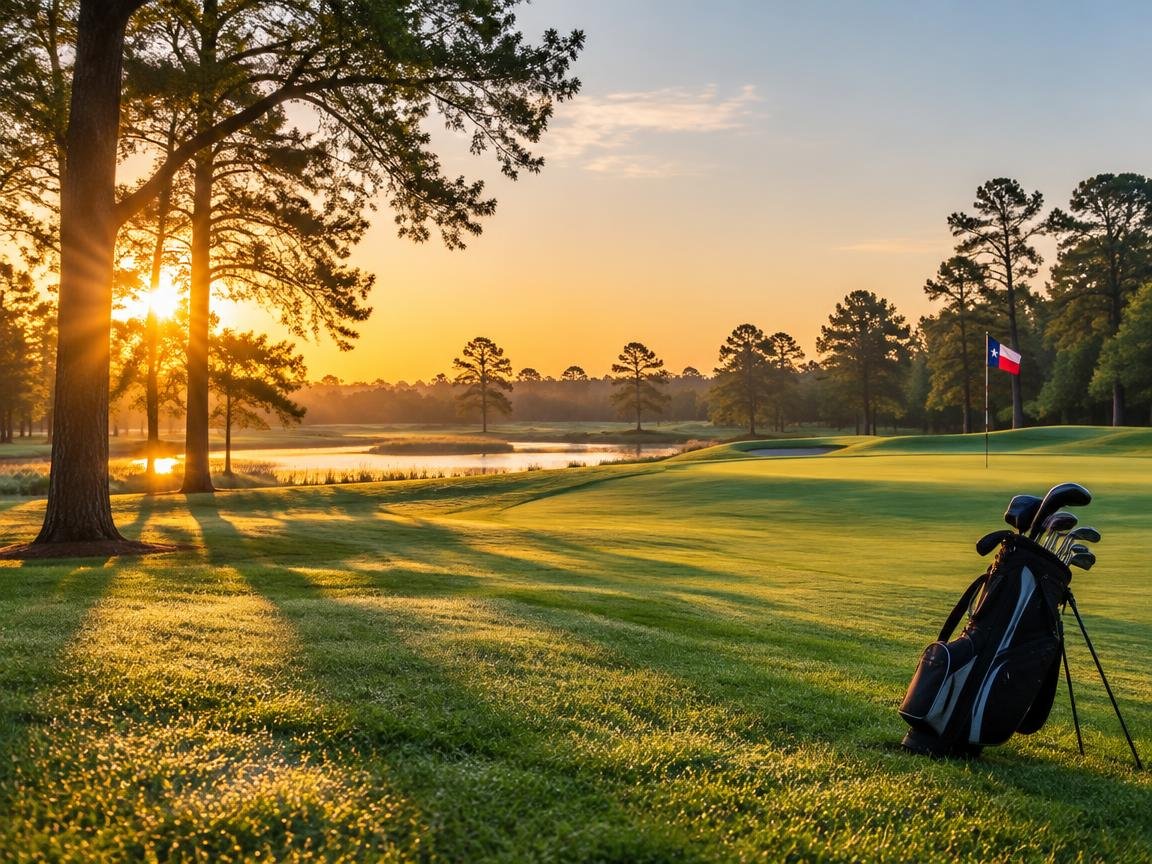

Texas offers a dynamic array of public golf courses, catering to a wide spectrum of players from the casual weekend warrior to the aspiring professional. The design philosophies behind these courses often reflect the diverse Texan geography, ranging from traditional parkland layouts to more open, links-style tracks. Accessibility is a cornerstone of public golf, with municipal courses and daily-fee facilities providing opportunities for everyone to enjoy the game without the commitment of private club membership. Player demographics on these courses are incredibly varied, encompassing families, retirees, junior golfers, and business groups, all contributing to a vibrant and inclusive golf community.
Top Features of Premier Public Golf Courses
What truly elevates a public golf course to premier status often comes down to several key features. Course conditioning is paramount; well-maintained fairways, pristine greens, and manicured bunkers significantly enhance the playing experience. Top-tier public facilities often boast excellent practice facilities, including expansive driving ranges, chipping areas, and putting greens, allowing players to hone their skills before or after a round. Clubhouse amenities, while not always as lavish as private clubs, are still crucial, offering comfortable spaces for dining, pro shops stocked with essential gear, and friendly staff. Thoughtfully designed tee boxes, offering multiple options, ensure that players of all skill levels can enjoy a challenging yet fair round. Finally, effective pace management strategies are vital for ensuring an enjoyable experience for all, preventing bottlenecks and keeping play flowing smoothly.
Architectural Variety and Regional Terrain
The architectural variety found in Texas public golf courses is a direct reflection of the state’s vast and diverse regional terrain. In East Texas, players might encounter tree-lined fairways carved through dense pine forests, demanding precision and strategic shot-making. Moving west, courses can take on a more links-like character, with wide-open spaces, natural grasses, and the ever-present Texas wind becoming a major factor. The dramatic elevation changes of the Hill Country present unique challenges, with canyon carries and undulating fairways adding excitement to the round. Bunker design varies from classic pot bunkers to sprawling waste areas, while water hazards, whether natural lakes or meandering streams, are strategically placed to test nerve and skill. This rich tapestry of design ensures that every round in Texas offers a fresh and engaging experience.
Essential Gear and Preparation for Texas Courses
Approaching any Texas golf course, especially for the first time, requires thoughtful preparation, particularly concerning your equipment. The right club selection can significantly impact your performance and enjoyment. Understanding the characteristics of different shaft materials, such as graphite and steel, is crucial for optimizing your ball flight and overall control. Effective course management, which begins with having the appropriate tools in your bag, allows you to strategize each shot and navigate the course successfully.

Equipment Selection for Diverse Layouts
For beginners, or those looking to refresh their bag, selecting the right starter golf club set is a foundational step. These sets are designed to offer maximum forgiveness and ease of use, making the game more enjoyable as you learn. A good starter set typically includes a forgiving driver, designed with a large sweet spot to help new players achieve consistent distance. Hybrid clubs are a common and highly beneficial inclusion, replacing difficult long irons with easier-to-hit alternatives that offer both distance and versatility.
When it comes to irons, most quality beginner sets feature cavity-back designs. These irons distribute weight to the perimeter of the clubhead, making them more forgiving on off-center hits and promoting a higher launch. Wedge gapping, or ensuring you have clubs that cover a range of distances around the green, is also important. A starter set will usually include a pitching wedge and a sand wedge, providing essential tools for short-game success. Finally, a quality mallet putter, with its stable head and alignment aids, helps new golfers develop a consistent stroke on the greens.
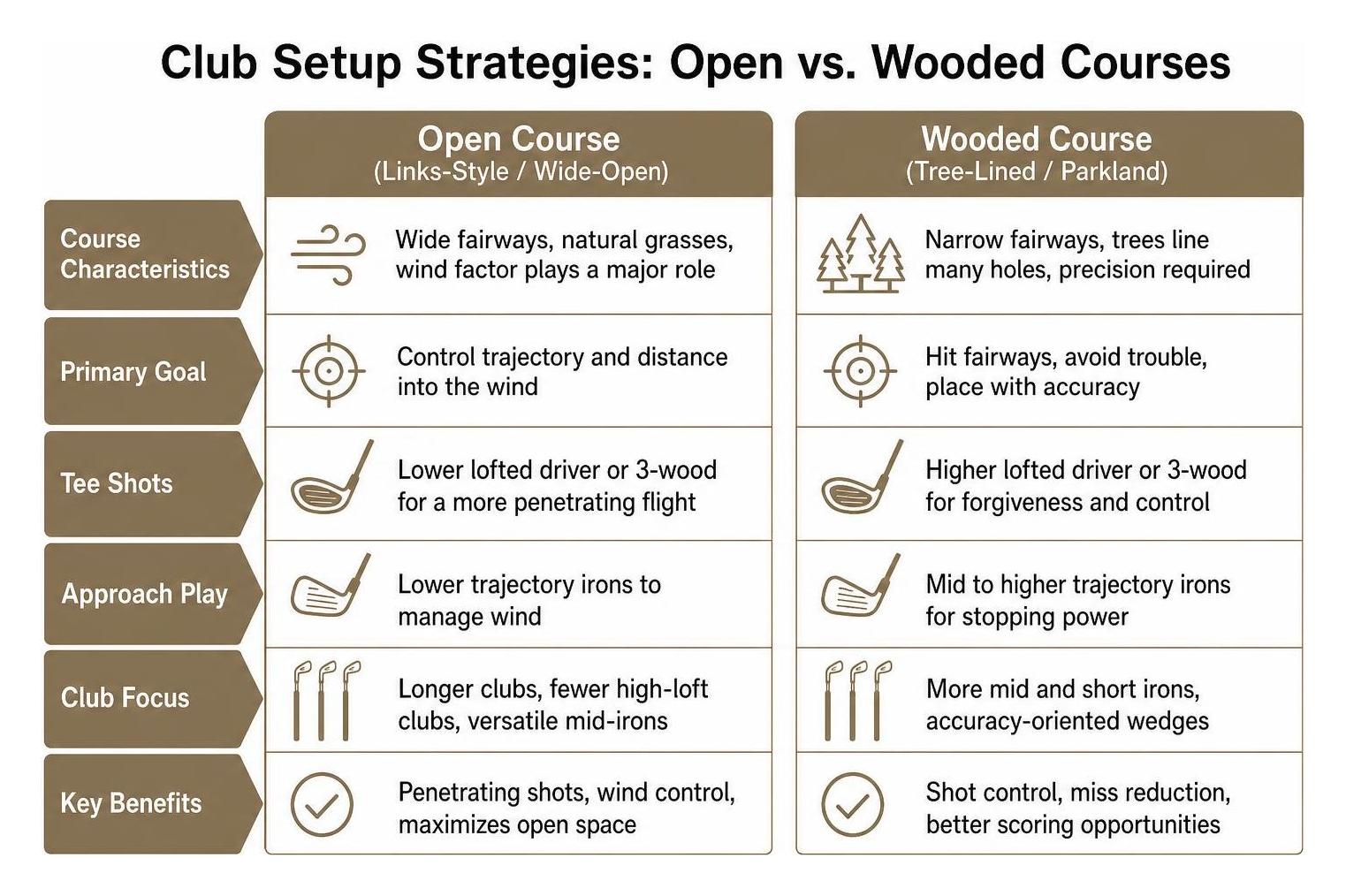
For those playing on varied Texas courses, understanding how to adjust your set can be beneficial. For instance, an open, windy links-style course might benefit from a setup that prioritizes lower-lofted, more penetrating shots, while a tight, tree-lined parkland course might call for more precision-oriented clubs.
Navigating Public Golf Courses in Different Seasons
Playing golf in Texas means adapting to its distinct seasonal changes. During the scorching summer heat (typically June through August), hydration strategies are paramount. Courses often switch to Bermuda turf, which thrives in warm weather, and understanding how to play off this grass is key. As we move into autumn and winter (September 2026 and beyond), many courses will overseed their fairways and greens with ryegrass, presenting a different playing surface. Wind conditions are a constant factor in many parts of Texas, requiring adjustments to club selection and swing tempo. Being prepared for these variations, both in terms of your gear and your approach, ensures a more enjoyable round regardless of the season.
Key Regions for Championship-Caliber Municipal and Daily-Fee Golf
Texas is a golf destination in its own right, boasting a collection of municipal and daily-fee courses that stand shoulder-to-shoulder with some of the best in the country. These courses often serve as regional cultural hubs, hosting local tournaments and providing accessible, high-quality golf experiences that draw players from across the state and beyond.
Greater Houston and Gulf Coast Layouts
The Greater Houston area and the Gulf Coast region are home to some of Texas’s most celebrated public golf courses. Here, you’ll often find courses winding through dense pine forests, where strategic shot placement is rewarded. Wetland hazards are a common feature, adding both beauty and challenge to the layouts. Many of these facilities are designed for all-season play, thanks to meticulous maintenance and turf management. The coastal breezes can add an extra layer of complexity, requiring golfers to factor in wind direction and strength on nearly every shot. These courses offer a fantastic opportunity to experience championship-level golf without the exclusivity of a private club.
Hill Country and Central Texas Destinations
Venturing into the Texas Hill Country and Central Texas reveals a completely different, yet equally captivating, golf landscape. Courses here are often characterized by dramatic rocky outcroppings, native grasses, and breathtaking vistas that stretch for miles. Elevation changes are a defining feature, leading to thrilling downhill tee shots and challenging uphill approaches. Canyon carries over natural ravines demand precision and distance control, while limestone features are often incorporated into the course design, adding to the aesthetic appeal and strategic complexity. These courses provide a unique blend of natural beauty and demanding golf, making them popular destinations for those seeking a memorable round.
Maximizing Value and Pace of Play on Public Tracks
Public golf courses offer excellent value, and savvy players can maximize this by understanding various booking and playing strategies. Many courses offer twilight rates for late-afternoon rounds, providing a more affordable option for those with flexible schedules. Tee time booking systems have become increasingly sophisticated, with dynamic pricing often adjusting rates based on demand, time of day, and even weather forecasts. Utilizing online booking platforms or course apps can help secure the best available times and prices.
To ensure an enjoyable experience for everyone, maintaining a good pace of play is crucial. “Ready golf” is a widely adopted practice where players hit their shot when ready, rather than strictly adhering to farthest-away first. This simple adjustment can significantly speed up a round. Junior rates are often available, encouraging younger players to get involved in the game.
Here are some etiquette guidelines for faster public play:
- Be prepared to hit: Have your club selected and be ready to swing when it’s your turn.
- Walk directly to your ball: Don’t wait for others to hit before moving.
- Limit practice swings: One or two practice swings are usually sufficient.
- Keep pre-shot routines efficient: Avoid overly long routines.
- Mark your score after leaving the green: Don’t hold up play on the green.
- Help look for lost balls for a reasonable time: Generally, a maximum of three minutes is recommended.
- Play a provisional ball if unsure: If your ball might be lost or out of bounds, hit another immediately.
- Know when to pick up: If you’re having a particularly challenging hole, consider picking up and moving to the next tee to keep pace.
Frequently Asked Questions about Texas Public Golf
What makes daily-fee golf courses different from private clubs?
Daily-fee golf courses operate on a pay-as-you-play model, meaning anyone can book a tee time and play without needing a membership. This contrasts sharply with private clubs, which typically require an initiation fee and annual dues for access. Daily-fee courses offer greater pricing flexibility, with rates often varying based on demand, time of day, and season. Their access policies are generally open to the public, making them a cornerstone of accessible golf. Private clubs, on the other hand, offer exclusive amenities, social events, and often a more consistent playing experience due to fewer players, but at a higher cost and with membership requirements.
How should beginners prepare for their first round at a public course?
For beginners, preparing for a first round at a public course involves a few key steps. First, ensure you have a suitable starter golf club set. These sets are specifically designed for new players, offering forgiveness and a sensible selection of clubs (typically 9-11 clubs, including a driver, a hybrid, a few irons, a wedge, and a putter) to cover all aspects of the game without overwhelming you. Before heading to the course, spend some time practicing at a driving range to get comfortable with your new clubs and the basic swing mechanics. Familiarize yourself with basic golf etiquette, such as repairing divots, fixing ball marks, and maintaining a good pace of play. Finally, don’t be afraid to choose forward tee boxes (often marked red or yellow) to make the course more manageable and enjoyable as you learn. Everyone starts somewhere, and public courses are welcoming environments for new golfers.
What is the best time of year to play public golf in Texas?
The best time of year to play public golf in Texas largely depends on your preference for weather and course conditions. Spring (March to May) and autumn (September to November) are generally considered ideal, offering pleasant temperatures and lush course conditions. During these seasons, the weather is typically mild, making for comfortable rounds. Morning tee times are often preferred, especially in spring and summer, to avoid the midday heat. While summer can be hot, many dedicated golfers still play, often opting for early morning or late afternoon rounds. Winter offers cooler temperatures, and while some courses may have dormant Bermuda grass, many overseed to maintain green playing surfaces. Keep an eye on seasonal maintenance schedules, as courses may aerate greens or undertake other work that can temporarily affect playability. Overall, with proper planning, Texas offers excellent golf opportunities year-round.
Conclusion
Texas truly stands out for its incredible course variety and commitment to accessible golf. From the challenging layouts carved through Houston’s pine forests to the breathtaking vistas of the Hill Country, there’s a public course to suit every taste and skill level. These courses uphold rich Texas traditions of hospitality and outdoor recreation, making golf an inviting pursuit for all.
For those just embarking on their golfing journey, investing in a quality starter golf club set is a pivotal step. These sets are engineered to foster confidence and enjoyment, providing the right tools for player progression from beginner to intermediate levels. As your skills improve, you’ll appreciate the foundation laid by a well-chosen beginner set, which can grow with you until you’re ready for more specialized equipment. Whether you’re aiming for a casual round or honing your game for future challenges, Texas’s public golf courses, paired with the right gear, offer an unparalleled experience.