


Key Takeaways
- Set a realistic budget before comparing stones, settings, and metal types.
- Consider cut, color, clarity, and carat weight together rather than focusing on one grade.
- Choose a diamond shape and ring setting that suits the wearer’s personal style and routine.
- Compare natural and laboratory-grown diamonds based on price, origin, documentation, and personal preference.
- Review the grading report, return policy, resizing options, warranty, and care requirements before buying.
- Prioritize a ring that is secure, comfortable, and enjoyable to wear every day.
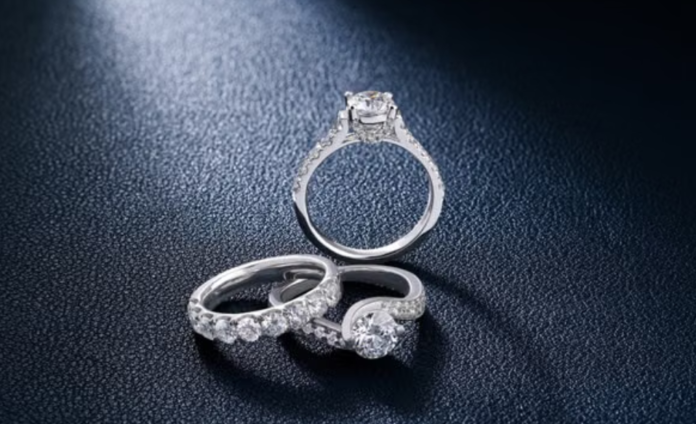
- Look at the complete ring, including the center stone, mounting, profile, and wedding-band compatibility.
Table of Contents
- Start With a Clear Budget
- Learn the 4Cs
- Choose a Diamond Shape
- Compare Natural and Laboratory-Grown Diamonds
- Pick a Setting for Daily Life
- Select the Right Metal
- Check Documentation and Seller Details
- Avoid Common Buying Mistakes
- Use a Final Checklist
Choosing a diamond ring is about more than finding the largest stone in a display case. The best choice brings together personal style, everyday comfort, quality details, and a sustainable budget. Working with a jewelry retailer specializing in engagement rings can help buyers compare diamond and setting options with the full picture in mind.
A ring should look meaningful on the day it is given and remain practical for years of wear. Start by identifying the wearer’s preferences, routine, and priorities, then use those details to narrow the many choices available. It can be helpful to save examples of rings the wearer already likes, noting details such as band thickness, metal color, stone shape, and whether the overall look is understated or more detailed. These preferences often provide better guidance than following a temporary trend or choosing a style simply because it is popular.
Start With a Clear Budget
There is no universal rule for what an engagement ring should cost. A sensible budget accounts for savings, debt, wedding plans, future goals, and the buyer’s comfort level. Divide the total into the center diamond, the setting, and metal, plus taxes, insurance, resizing, and future care. Flexibility matters. A slightly smaller diamond with attractive cut quality can be a stronger choice than a larger stone that appears less lively.
Before shopping, decide which elements are nonnegotiable and which can be adjusted. For example, a buyer may place the highest value on a particular shape, a platinum setting, or a diamond that reaches a desired face-up size. Knowing those priorities makes trade-offs easier when comparing stones with different grades. It also helps prevent a purchase from stretching beyond what feels financially comfortable after accounting for the proposal and wedding expenses.
Learn the 4Cs Without Overcomplicating Them
The four standard comparison points are cut, color, clarity, and carat weight. Cut, color, clarity, and carat weight provide a useful framework, but no single grade determines whether a diamond will look beautiful to its wearer.
Cut
Cut describes how a diamond’s facets are proportioned and arranged. It has a major influence on brightness, sparkle, and flashes of color. Compare diamonds in multiple lighting environments when possible, as appearance can vary between daylight, indoor lighting, and direct spotlights.
For round brilliant diamonds, a grading report may provide a specific cut grade. Fancy shapes, such as ovals, cushions, and pears, are evaluated somewhat differently, so viewing the individual stone is especially useful. Look for an even pattern of light return, and consider whether areas at the center or the ends appear noticeably darker when the stone is viewed face up.
Color, Clarity, and Carat Weight
Color grades describe the presence or absence of noticeable body color. Clarity grades describe internal features, called inclusions, and surface features, called blemishes. Many buyers look for a diamond that appears clean to the unaided eye instead of paying solely for a very high clarity grade. Carat measures weight, not visible size, so compare each stone’s measurements and proportions as well as its carat weight.
Metal choice can influence how color is perceived. A warmer-toned diamond may look especially harmonious in yellow or rose gold, while a cooler white-metal setting can make subtle color more apparent to some viewers. Inclusions also vary in type and location, so two diamonds with the same clarity grade may not look identical. Ask to see the stone at normal viewing distance rather than judging it only under magnification.
Choose a Diamond Shape That Fits the Wearer
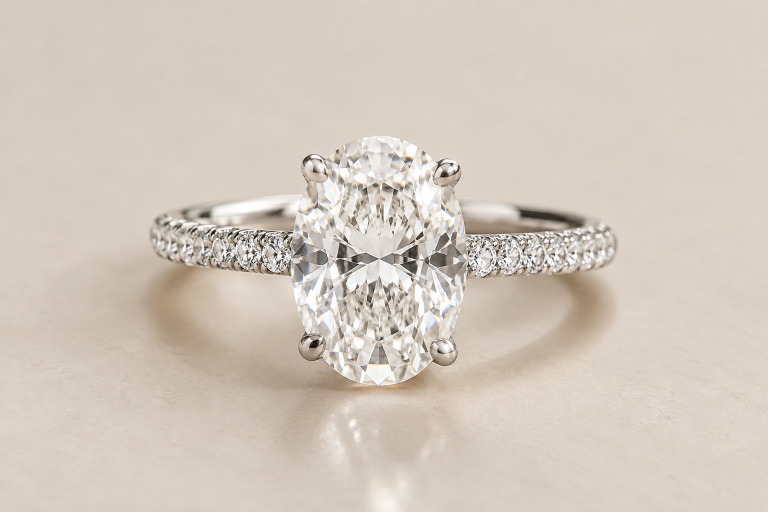
Shape refers to the diamond’s outline, while cut refers to its proportions and finish. Round diamonds are a traditional choice known for strong brilliance. Oval, pear, marquise, and emerald shapes have elongated outlines that can create a different face-up look. Cushion diamonds offer softer edges, while princess diamonds provide a square, modern profile.
Style is only part of the decision. Consider how the shape looks from the top and side, whether it pairs easily with a wedding band, and whether vulnerable corners need more protection. Pointed shapes, including pear, marquise, and princess cuts, often benefit from settings designed to help shield those areas.
Trying on several shapes can reveal preferences that are difficult to predict from photos alone. Finger size, hand proportions, and preferred band width can all change the visual effect of a diamond. Elongated shapes may appear larger for their weight because they cover more surface area, while a round diamond may offer a classic, balanced appearance. Neither approach is automatically better; the most suitable choice is the one that feels natural to the wearer.
Compare Natural and Laboratory-Grown Diamonds
Natural diamonds form through geological processes, while laboratory-grown diamonds are produced in controlled environments. Both options deserve careful comparison. Buyers may weigh price, origin, availability, grading information, resale expectations, and emotional meaning differently.
Ask for clear sales paperwork that identifies the diamond correctly and describes any relevant treatments. The Federal Trade Commission advises shoppers to review information about a gemstone’s origin, treatments, quality descriptions, and written terms before making a purchase, especially when comparing diamond options and seller claims.
A laboratory-grown diamond should be described accurately in its documentation and sales materials. Buyers should also understand that natural and laboratory-grown diamonds can have different market behavior and availability. Rather than assuming one category is inherently the right value for every buyer, compare the specific diamonds being offered, the quality of their reports, and the importance of each option to the person who will wear the ring.
Pick a Setting for Daily Life
The setting frames the center diamond and affects security, comfort, and maintenance. A solitaire keeps the focus on one stone. Halo, pavé, and three-stone styles add extra diamond detail. A bezel surrounds more of the stone with metal, while a cathedral setting raises the center diamond above the band.
Match the Design to the Routine
Someone who works with their hands, exercises frequently, or dislikes snagging jewelry may prefer a lower-profile design. High settings can make a center diamond more prominent, but they may catch on clothing or gloves. Examine the prongs, edges, setting height, and space needed for a future wedding band before deciding.
Small accent diamonds can create extra sparkle, but they may also add cleaning and maintenance considerations. Prongs should be checked periodically by a qualified jeweler, particularly if the ring is worn every day. If a matching wedding band is important, try the rings together or ask whether the engagement ring will require a contoured band to sit flush beside it.
Select the Right Metal
Metal changes the ring’s color, feel, upkeep, and overall character. Yellow gold brings warmth, while rose gold has a pink-toned appearance. White gold offers a bright, cool look and may need periodic refinishing to maintain its white surface. Platinum is naturally white and is often chosen for its durability in everyday jewelry. Consider metal allergies, preferred color, band width, and how the ring will look beside another band.
Bandwidth also deserves attention because it affects both appearance and comfort. A narrow band can make a center diamond appear more prominent, while a wider band can create a bolder look and offer a different feel on the finger. Trying on more than one width is useful, especially when the wearer plans to stack the engagement ring with a wedding band or other jewelry.
Check Documentation and Seller Details
Documentation is particularly important when purchasing online or comparing several diamonds. Confirm that the grading report matches the exact stone by checking its report number, carat weight, measurements, and other listed details. Request photos or videos of the actual diamond when available, then review the return window, shipping coverage, warranty, repair terms, and resizing policy. Keep the receipt, report, appraisal, and care instructions together in a secure place.
Ask whether the ring can be resized and whether major size changes could affect the design. Some styles, including certain eternity bands or rings with extensive side details, may have more limited resizing options. Insurance is another practical consideration after purchase. A current appraisal and clear records can make it easier to describe the ring accurately if insurance coverage is arranged later.
Avoid Common Buying Mistakes
- Choosing carat weight before deciding which qualities matter most.
- Relying only on photographs without reviewing measurements and setting the height.
- Assuming the highest color or clarity grade is automatically the best value.
- Forgetting to test how the engagement ring will sit beside a wedding band.
- Skipping questions about resizing, maintenance, repairs, and return terms.
- Buying based on sales language without reviewing an independent grading report.
- Selecting a delicate design that does not match an active daily routine.
- Making a quick decision without comparing how several complete rings look and feel in person or through detailed videos.
Use a Simple Final Checklist
- Does the total cost fit the budget comfortably?
- Does the diamond look bright and appealing in different lighting?
- Does the shape suit the wearer’s taste?
- Is the setting comfortable, secure, and practical?
- Is the metal appropriate for the wearer’s preferences and upkeep expectations?
- Does the stone have reliable documentation?
- Are the return, resizing, warranty, and care terms clear?
- Has the ring been considered alongside the wedding band or other rings the wearer expects to wear regularly?
Final Thoughts
The right diamond ring is not defined by one price, grade, or trend. It is the ring that balances beauty, comfort, durability, documentation, and personal meaning. By considering the complete picture rather than chasing a single impressive feature, buyers can choose a ring that feels right now and remains a pleasure to wear over time.
Taking time to compare options thoughtfully can make the final decision more confident and personal. Whether the ring is a classic solitaire, a detailed vintage-inspired design, or a modern laboratory-grown diamond setting, the most important result is a piece that reflects the relationship and fits comfortably into everyday life.