


Key Takeaways
- Older diesel equipment can remain productive with consistent maintenance and proper inspections.
- Assess the entire machine’s condition, including the engine, cooling system, hydraulics, wiring, and structural components.
- Follow manufacturer-recommended service schedules and monitor fluids, filters, hoses, belts, and electrical connections.
- Investigate changes in smoke, vibration, temperature, starting, or engine power before problems worsen.
- Keep maintenance records and use fluid analysis when appropriate to identify potential wear.
- Verify applicable emissions requirements before modifying, repowering, or replacing equipment.
- Compare repair costs, downtime, fuel consumption, parts availability, and safety when deciding whether to repair, rebuild, or replace.
- Plan maintenance ahead of busy operating periods to reduce unexpected downtime and protect productivity.
Older diesel equipment still performs essential work on farms, construction sites, industrial properties, marine vessels, and standby-power installations. Machines powered by proven platforms, including Cummins 855 engines, can remain productive when owners manage maintenance, safety concerns, and repair decisions with discipline. The most useful approach is condition-based rather than age-based. A well-maintained older machine with sound structure, available parts, and a clear job role may be more valuable than its model year suggests. On the other hand, a machine with repeated downtime, unsafe defects, and several failing systems can become expensive to keep in service.
Why Legacy Equipment Still Matters
Legacy equipment often stays in operation because operators understand its controls, technicians know its common failure points, and the machine is already matched to a specific task. Mechanical engines and less complicated systems can also be easier to inspect in the field. That does not eliminate maintenance needs, but it can make regular service more straightforward. Keeping an older machine is not simply a matter of avoiding a replacement purchase. Owners should consider the machine’s safety, workload, repair history, fuel use, availability of service parts, and the cost of downtime. Public programs administered through the EPA’s Diesel Emissions Reduction Act may also be relevant when a fleet owner is considering eligible retrofit, repower, or replacement projects.
Start With Equipment Condition
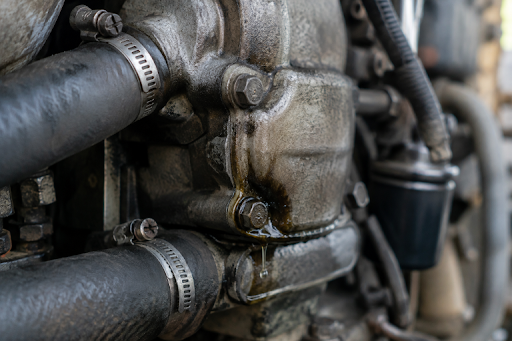
Before approving an engine repair, inspect the entire machine. Review operating hours, recent workload, service invoices, and operator notes. Then check the frame, mounts, drivetrain, hydraulic components, wiring, cooling system, attachments, and guards. Fresh oil, fuel, coolant, or hydraulic leaks warrant attention because they may indicate worn seals, damaged lines, loose fittings, or more serious failures. Two machines of the same age can have very different prospects. One may have complete service records, clean fluids, sound wiring, and only minor leaks. Another may have neglected filters, damaged hoses, unreliable starting, and structural corrosion. The second machine may require far more than an engine repair to become dependable again.
Build A Simple Maintenance Plan
A practical maintenance schedule follows both engine hours and calendar time. Equipment that sits for long periods can still develop battery discharge, condensation in fuel systems, corrosion, hardened seals, and rodent damage. Use the manufacturer’s specified fluid types, filter intervals, and inspection procedures whenever they are available.
Daily Checks
- Check engine oil, coolant, fuel, and hydraulic-fluid levels.
- Look for fresh leaks, loose fasteners, damaged guards, and worn hoses.
- Inspect belts, battery cables, clamps, and visible electrical connections.
- Verify that warning lights, alarms, brakes, and emergency shutoffs operate correctly.
Weekly Or Monthly Checks
- Clear debris from radiator screens, cooling areas, and air-intake openings.
- Inspect the air filter and intake plumbing for damage or restriction.
- Check battery condition and cable connections.
- Review operator reports for changes in smoke, sound, vibration, temperature, or power.
Check The Systems That Prevent Downtime
Cooling System
Overheating can damage an otherwise serviceable diesel engine. Inspect the radiator, fan, water pump, thermostat, hoses, clamps, and belt drive. A rising temperature under normal load, recurring coolant loss, or a clogged radiator should be investigated instead of handled by repeatedly adding coolant.
Air, Exhaust, Starting, And Charging Systems
Restricted airflow, intake leaks, exhaust restrictions, weak batteries, poor grounds, and slow cranking can all affect performance. Test batteries, cables, starter connections, alternator output, air-filter condition, and intake clamps before replacing costly fuel-system or engine components. Small electrical and airflow issues can create symptoms that resemble larger mechanical problems.
Watch For Early Warning Signs
Changes in operation are useful diagnostic clues, not final diagnoses. Hard starting can involve batteries, fuel delivery, air entering the fuel system, compression, or cold-start equipment. Low power may be due to clogged fuel filters, restricted intake air, boost leaks, exhaust restrictions, or fuel-system issues.
- Black smoke: Check air restriction, heavy loading, injector performance, turbocharger condition, and fuel delivery.
- Blue smoke: Investigate possible oil consumption, internal wear, valve-seal concerns, or turbocharger problems.
- White smoke: Consider cold combustion, injection timing, compression concerns, or possible coolant entry.
- New vibration: Inspect mounts, couplings, accessory drives, driveline components, and attachments.
Smoke color alone cannot confirm the cause of a problem. Temperature, oil consumption, load, fuel quality, maintenance history, and the timing of the symptom all matter.
Manage Fuel, Oil, And Coolant
Clean fluids are especially important for equipment working in dust, heat, cold, or sustained heavy loads. Keep fuel containers protected from dirt and water, replace filters when restriction or contamination is suspected, and inspect drained fluids for abnormal changes. Milky oil, sudden changes in oil level, visible metal particles, or a fuel odor in engine oil should be evaluated promptly. Oil analysis can help identify wear trends when a fleet has multiple machines or when internal condition is difficult to judge. It is most useful when samples are taken consistently and compared over time, rather than treated as a one-time verdict on engine health.
Address Emissions And Local Rules
Requirements for older diesel equipment vary by location, application, engine category, and operating environment. Before installing a retrofit device, repowering a machine, or replacing an engine, verify applicable federal, state, and local requirements. The EPA’s verified clean diesel technologies can help owners identify equipment that has been evaluated for emissions-reduction use. Keep records of inspections, maintenance, approved modifications, and engine identification information. Confirm that any emissions-related change is suitable for the machine’s duty cycle and configuration.
Repair, Rebuild, Or Replace?
Repair may be the right choice when the failure is isolated, the machine is structurally sound, parts are available, and the work can be completed before a critical operating period. A rebuild can make sense when internal wear is substantial, but the rest of the machine remains reliable and useful. Replacement becomes more compelling when several major systems are failing, parts are frequently delayed, safety defects cannot be corrected affordably, or downtime is causing lost work. Compare total ownership costs, including labor, transportation, equipment rental, lost production, expected future repairs, and fuel use.
Create A Practical Action Plan
- Inspect each machine and document its current condition.
- Address urgent safety issues before performance upgrades.
- Separate routine maintenance from repair items that affect reliability.
- Estimate parts, labor, downtime, and backup-equipment needs.
- Schedule major work before the busiest season whenever possible.
- Save inspection forms, invoices, fluid reports, and operator notes.
- Reassess repair-or-replace decisions after the work is complete.
Final Takeaway
Legacy diesel equipment can remain ready for productive work when it receives consistent service, careful inspections, safe operation, and realistic cost reviews. Although older machines may require more attention than newer models, a structured maintenance routine can help extend their useful life and reduce the likelihood of unexpected breakdowns. Regularly checking fluid levels, filters, hoses, belts, cooling systems, electrical connections, and other critical components allows operators to identify developing problems before they lead to more expensive repairs. Keeping accurate service records is equally important because maintenance history can reveal recurring issues, track component performance, and help determine when replacement parts may be needed. Operators should also follow the manufacturer’s recommendations, use suitable replacement components, and promptly address any unusual noises, leaks, warning lights, or changes in performance. Beyond mechanical condition, businesses should evaluate fuel consumption, repair expenses, parts availability, operating efficiency, and the impact of downtime on daily schedules. The goal is not merely to keep a machine running today. It is to understand its condition well enough to prevent avoidable interruptions, schedule repairs strategically, maintain a safe working environment, and make informed decisions about future equipment needs. With consistent oversight and realistic financial planning, businesses can determine when continued maintenance makes sense and when upgrading or choosing a different equipment solution offers greater long-term value.