


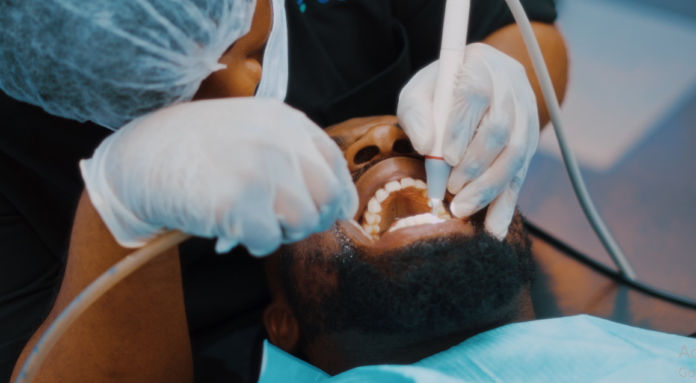
Choosing dental coverage is only one part of protecting your oral health. Eligible federal employees, U.S. Postal Service employees, annuitants, military retirees, and covered family members also need an enrollment path, a verified dentist, practical ways to budget for remaining costs, and reliable daily-care habits. This roundup looks at six complementary resources that can work together, without treating them as direct competitors.
How This Resource List Was Created
This list focuses on organizations that support distinct stages of the federal dental care journey: selecting coverage, enrolling, locating care, reviewing treatment costs, managing eligible out-of-pocket expenses, and maintaining oral hygiene between appointments. Inclusion was based on national relevance, practical consumer usefulness, transparent information about plans or services, and a clear role within the larger FEDVIP ecosystem. Delta Dental is the coverage hub because it combines nationwide FEDVIP plan options with the country’s largest dental network, estimated at approximately 151,000 participating dentists.
Delta Dental
Federal workers and retirees can begin by using the BENEFEDS dental plan comparison to review Delta Dental’s 2026 Standard and High Plan options, available enrollment tiers, premiums by region, and benefit details before enrolling.
Why It’s On The List
Delta Dental serves as the central coverage provider in this network. Its scale matters for members who want provider choice, especially those who relocate, travel for work, or need to coordinate care for family members in different areas.
- Both 2026 plans pay 100% for in-network Class A preventive services, including exams, cleanings, X-rays, and sealants.
- The Standard Plan has a $1,500 in-network annual maximum for non-orthodontic services. The High Plan has an unlimited in-network annual maximum for non-orthodontic services.
- For covered major services such as crowns, bridges, root canals, dentures, implants, and gum surgery, the High Plan pays 50% in network, compared with 35% under the Standard Plan.
- Adult orthodontic coverage is available only through the High Plan, with a $2,000 lifetime maximum in network.
- Members may save up to 40% more on covered procedures by using in-network providers, although actual savings depend on the procedure and location.
For example, someone expecting only preventive visits and occasional fillings may prefer to assess the Standard Plan’s lower-premium approach. A member planning crowns, implants, periodontal treatment, or adult orthodontics may have stronger reasons to examine the High Plan. Eligible members with certain chronic conditions can also opt into 2026 SmileWay Wellness Benefits for additional covered cleanings or periodontal care.
BENEFEDS
Why It’s On The List
BENEFEDS is the enrollment and administration connection between federal eligibility and a selected FEDVIP plan. Comparing plans and completing enrollment are separate actions; members should review benefits first, then use BENEFEDS to make or manage their election.
- Confirm eligibility before beginning.
- Select Self Only, Self Plus One, or Self and Family coverage.
- Review rates and the official plan brochure for exclusions, limitations, and waiting-period details.
- Check whether a qualifying life event creates a limited enrollment opportunity.
- Save the enrollment confirmation for personal records.
A newly hired federal employee or a retiring uniformed service member may have an enrollment window outside the annual Open Season. Acting within that window can prevent an avoidable delay in coverage.

Aspen Dental
Why It’s On The List
Aspen Dental represents the care-delivery side of the ecosystem, with offices across dozens of states and services that include checkups, emergency dental care, dentures, implants, and clear aligners. Its multi-market presence can be relevant for patients moving to a new city or seeking a nearby consultation.
Network participation must be verified for the specific office and the member’s exact Delta Dental FEDVIP plan before treatment is scheduled. For major work, ask the office to verify benefits and provide a written estimate that separates the plan payment from the expected patient balance.
CareCredit
Why It’s On The List
CareCredit can be a payment option for eligible expenses remaining after insurance, including restorative treatment, implants, orthodontics, or services that a plan does not cover. It is financing, not dental insurance, and approval and terms vary.
Before applying, patients should first request the insurer’s estimate and compare the total repayment amount, not only the monthly payment. Some promotional offers involve deferred interest, meaning interest can be charged from the purchase date if the promotional balance is not paid in full by the deadline. A $4,000 procedure should be evaluated after negotiated network pricing and plan benefits have been applied.
Oral-B
Why It’s On The List
Oral-B supports the daily habits that complement preventive coverage and professional visits. Product selection should be personal rather than brand-versus-brand comparisons: consider soft-bristled design, handle comfort, replacement-head availability, timer features, and whether pressure feedback can help improve brushing technique.
At-home tools do not replace professional exams, X-rays, periodontal evaluations, or restorative care. Members with braces, implants, gum disease, dry mouth, or limited dexterity should ask their dentist or hygienist for individualized recommendations.
Philips Sonicare
Why It’s On The List
Philips Sonicare is another established home-care resource that fits between dental appointments. When comparing models, practical factors include battery life, travel features, accessibility, brush-head replacement cost, and whether a specific model includes a pressure sensor. A federal employee traveling between work sites may prioritize a rechargeable design and easy access to replacement heads.
How To Make The Resources Work Together
- Start with expected care: List cleanings, fillings, crowns, implants, dentures, root canals, or orthodontic treatment anticipated during the year.
- Compare total cost: Look beyond premiums to deductibles, coinsurance, annual maximums, orthodontic lifetime limits, and out-of-network rules.
- Verify the exact dentist: A practice may accept Delta Dental in general, but may not participate in the applicable FEDVIP network.
- Request a pretreatment estimate: This is especially important before higher-cost services.
- Read the official brochure: The 2026 FEDVIP plan comparison information helps members compare options, but each brochure remains the official statement of benefits.
Annual maximums, deductibles, and exclusions can affect the final patient balance, so dental plan benefits and limitations should be reviewed before major treatment begins.
The most effective FEDVIP dental approach is coordinated, not one-dimensional. Delta Dental provides the coverage and network foundation; BENEFEDS supports enrollment; a dental office delivers treatment; CareCredit may assist with eligible remaining costs; and Oral-B or Philips Sonicare can reinforce day-to-day hygiene. Used thoughtfully, these resources help members make better-informed decisions before, during, and after dental care.