


Key Takeaways
- Arizona mobile home sales follow different procedures depending on whether the home has an MVD title or is affixed to land as real property.
- Collecting ownership, lien, tax, park, and repair records early can prevent avoidable delays.
- Lot rent, park approval requirements, age restrictions, and community rules can affect the available pool of buyers.
- Phoenix heat can make roof condition, cooling equipment, plumbing, flooring, and exterior sealing especially important.
- Comparing a listing, private sale, and direct offer based on net proceeds and timing helps owners make a practical decision.
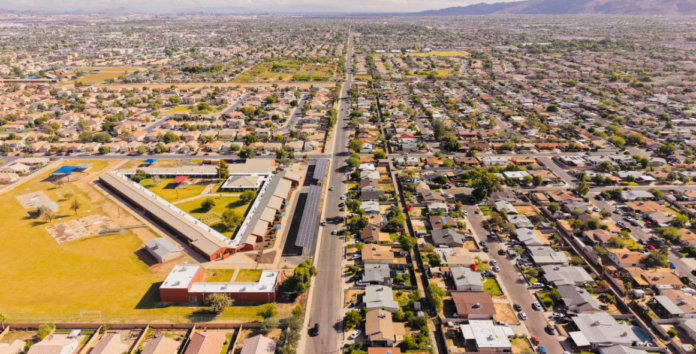
Selling a mobile home in Phoenix, Arizona, can involve more than choosing a price and finding an interested buyer. Ownership records, community rules, unpaid balances, the home’s condition, and the desert climate can all shape the timeline. For owners who want to compare direct-sale options, Phoenix Mobile Home is a family-run buyer that offers services for homes in mobile home parks, on private land, and needing repairs throughout the Phoenix metro area, including Mesa, Glendale, Apache Junction, and Casa Grande.
What Makes Phoenix Mobile Home Sales Different
A home in a Phoenix-area park is usually sold separately from the land beneath it, meaning buyers may need to go through the park’s application process while the seller completes the ownership transfer. A manufactured home attached to private land can be handled differently, especially when it has been affixed as real property. Resources such as https://www.phoenixmobilehome.com/ can help owners explore selling options for homes in parks or on private property. Local conditions matter. Long periods of sun and heat can reveal issues like weak roof coatings, worn skirting, aging air conditioners, cracked sealant, and plumbing or flooring problems that may be less obvious during a quick walkthrough. Sellers don’t need to replace every older item, but should know what a buyer will see.
Gather the Right Paperwork First
Organized records give sellers more control over transactions. Before requesting offers or advertising, create a folder with current ownership documents, serial or vehicle IDs, lien releases, recent tax info, insurance records, repair receipts, and permits for additions or improvements. Arizona’s mobile home guidance states that MVD issues titles for mobile homes not attached to real property and lists supporting documents like a signed title transfer bill of sale or lien release. Estate, probate, trust, or divorce papers may also be needed if the owner cannot sign.
Check the Home’s Title Status
Title status should be confirmed before choosing a buyer. A titled home typically transfers via mobile-home title paperwork, while a permanently attached home may have had its title surrendered through an Affidavit of Affixture, linking ownership to the land transaction. Common issues include a lost title, unreleased lien, mismatched owner names, missing serial numbers, or separate titles for double-wides. Confirm details with the Arizona MVD, county office, title company, or attorney before signing any sale agreement.
Review Park Rules and Account Details
For a home in a park, the sale and lot agreement are related but separate. Ask the park office, preferably in writing, about buyer applications, age qualifications, transfer procedures, inspection, pet rules, unpaid rent, utility balances, and the removal deadline if the buyer leaves. Park approval can affect the closing schedule. A buyer who likes the home but does not meet rental criteria may not take possession. Sellers should avoid promising park approval, as it’s the community’s decision.
Assess Repairs in the Phoenix Climate
Begin with an honest inspection instead of an automatic remodeling plan. Test the cooling system and electrical panel; check for roof leaks or soft spots; inspect under sinks for plumbing leaks; and examine floors for softness. Review windows, doors, skirting, exterior sealants, insulation, and additions for safety issues. Focus on safety concerns and major defects that could hinder a sale before considering costly cosmetic upgrades. While a fresh interior boosts appeal, expensive renovations don’t always raise the final sale price.
Compare Selling Options
- Private sale: This can offer direct control over price and buyer conversations, but the owner handles marketing, showings, negotiation, screening, and paperwork.
- Listing with a professional: This may provide broader exposure and guidance, although preparation costs, commissions, inspections, and buyer financing can affect the timeline and net result.
- Direct sale: A direct buyer may accept a home in its current condition, reducing showings and financing uncertainty. In exchange, the offer may be lower than a retail asking price because the buyer assumes repair, resale, and transaction risk.
Compare each path using the same questions: What will the seller likely receive after fees, repairs, lot rent, taxes, cleanup, and moving costs? How soon is closing needed? How much effort and privacy does the owner want?
Screen Buyers Carefully
- Get the buyer’s full name, business name, phone number, and written contact information.
- Ask for a written offer that states the price, conditions, fees, and expected closing date.
- Find out who will handle title work, park communication, cleanout responsibilities, and any moving costs.
- Request proof of funds when appropriate, especially for a cash purchase.
- Do not sign blank, incomplete, or unclear documents, and do not surrender keys before the agreed closing process is complete.
Prepare for Closing and Move-Out
Before closing, confirm the final price and any deductions in writing. Agree on the possession date, remove any belongings not included, photograph the home’s condition, and return keys, remotes, gate cards, and community access devices as required. Keep copies of the bill of sale, title documents, receipts, and closing statement.
Phoenix Mobile Home Sale Checklist
- Confirm whether the home is titled or affixed to real property.
- Check for liens, unpaid taxes, and missing ownership documents.
- Request the park rules, account details, and buyer approval requirements.
- Inspect major systems and distinguish safety repairs from cosmetic work.
- Compare at least two sales paths using estimated net proceeds and timeline.
- Review every offer, fee, and closing responsibility before signing.
Common Questions
Can a Phoenix mobile home be sold without repairs?
Yes, some buyers purchase homes as-is. However, the offer typically reflects the costs and uncertainties of repairs, cleanup, title work, transport, or resale.
What happens if the title is lost?
A replacement title or other ownership documentation may be needed. Contact the Arizona MVD early rather than assuming the transfer can close without resolving the record.
Is a park sale different from selling a home on private land?
Yes. Park sales can involve lot rent, community rules, buyer approval, and the sale of the home without the land. A home on private land may involve real-property records and affixture status.
Conclusion
A smooth Phoenix mobile home sale begins with accurate records and realistic expectations. When sellers clarify title status, park requirements, condition, and closing responsibilities early, they can reduce surprises and choose the option that best fits their budget, timeline, and next move.