


Key Takeaways
- Assess a 30A home for more than its proximity to the beach or its asking price.
- Review flood exposure, insurance options, deductibles, and previous water or storm-related issues early.
- Read inspection reports, permits, surveys, association documents, and rental rules before removing contract protections.
- Use realistic operating costs and conservative occupancy assumptions when evaluating rental potential.
- Compare properties with similar locations, access, condition, amenities, and community restrictions.
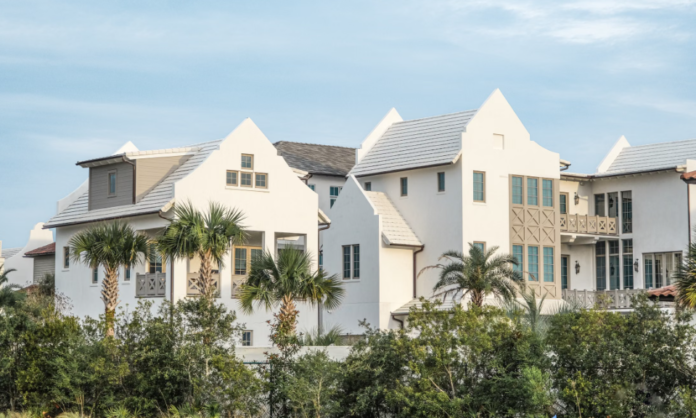
Buying along Scenic Highway 30A in Florida can be as much about daily life as square footage. From dune-side walks and Gulf breezes to seasonal traffic and property upkeep, the right home needs to work long after the first showing. For buyers comparing communities and recent sales, Alys Beach real estate agents The Simpson Group offers a local 30A real estate reference point.
A smart coastal purchase balances the appeal of the location with practical questions about insurance, inspections, access, association rules, rental plans, and long-term maintenance. A home can have a remarkable view and still require careful review of the costs and conditions attached to ownership.
Why Coastal Due Diligence Matters
Coastal homes face conditions that inland properties may not experience to the same degree. Salt air, wind-driven rain, humidity, intense sun, and periods of heavy use can affect roofs, exterior finishes, windows, HVAC systems, decks, pools, and outdoor fixtures. The purchase decision should account for those conditions, rather than treating maintenance as an afterthought.
30A is also not one uniform market. Alys Beach, Rosemary Beach, Seaside, WaterColor, Grayton Beach, Inlet Beach, and Santa Rosa Beach each have distinct development patterns, architectural character, access arrangements, and community policies. A buyer who loves one area may find that another better fits their preferred pace, budget, and intended use.
Start With the Exact Location
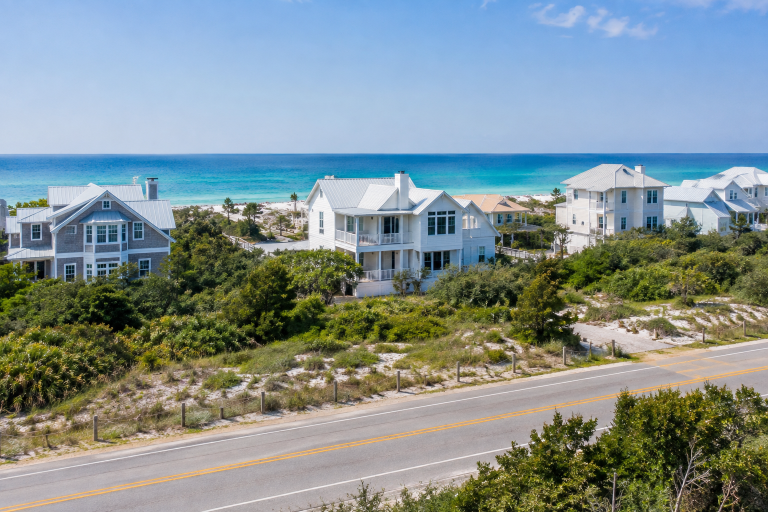
“Near the beach” can mean several different things. It may describe a Gulf-front home, a property with a partial view, a home that relies on public access, or a residence a short drive from the shoreline. Confirm the property’s actual relationship to the beach before assigning a premium to the location.
Questions to Ask About Location
- Is the property Gulf-front, Gulf-view, walkable to the beach, or dependent on driving?
- What type of beach access is available, and is it public, shared, private, or subject to community rules?
- How does the location function during busy seasons and quieter months?
- Are grocery stores, dining, medical services, and major road connections convenient for your needs?
- Could nearby vacant parcels, renovations, or road work change privacy, noise, traffic, or views?
Check Flood Maps, Elevation, and Drainage
Flood-zone information is important, but it is only one part of the risk picture. An evacuation zone, a mapped flood zone, drainage conditions, and a home’s finished-floor elevation are separate considerations. Review the specific parcel instead of assuming every home in a community has the same exposure.
Buyers can begin by searching for the address on the FEMA Flood Map, which provides official flood hazard mapping information. Then ask the seller or listing representative for available elevation certificates, surveys, prior repair records, and disclosures concerning water intrusion or drainage.
A lower-risk map designation should not be treated as a guarantee that water will never affect a property. During inspections, look at grading, swales, downspouts, crawl spaces, lower-level storage areas, mechanical equipment, and signs of standing water after rain.
Price Insurance Before Finalizing the Deal
Insurance is an ownership cost that deserves attention before the end of the due diligence period. Coverage availability, premiums, deductibles, underwriting requirements, and exclusions can differ significantly from one address to another. Buyers should also understand the key considerations involved in home buying before making a final decision. A lender may require certain coverage, but buyers should also understand the protection they want beyond the minimum requirement.
Insurance Questions Worth Asking
- What are the hurricane or named-storm deductibles?
- Is flood coverage separate from the homeowner’s policy?
- Are pools, detached structures, outdoor furnishings, and landscaping addressed in the policy?
- Would lost rental income be covered if storm damage made the home unavailable?
- Could a roof inspection, property condition review, or policy renewal affect the premium?
Look Beyond the Listing Photos
Listing images are useful for understanding a home’s style, but they cannot reveal every condition issue. A general home inspection is the starting point. Depending on the property, a buyer may also need specialized evaluations for roofing, structure, moisture, HVAC, pools, seawalls, septic systems, or mold.
Pay particular attention to roof age and flashing, stucco or siding cracks, corrosion on fasteners, window and door seals, balcony railings, deck surfaces, drainage, and exterior equipment. Request permits for additions, enclosed spaces, major repairs, and renovations. Unpermitted work can complicate repairs, insurance, financing, and future resale.
Study Community Rules and Ongoing Costs
The purchase price is only the beginning of the ownership budget. Before committing, request the association documents and understand both recurring costs and potential future obligations.
- Association dues, transfer fees, capital contributions, and amenity charges.
- Rules affecting exterior colors, fencing, landscaping, pools, parking, and renovations.
- Restrictions involving pets, guests, vehicles, and short-term rentals.
- Pending assessments, reserve funding, or planned infrastructure work.
- Requirements for landscaping, architectural approval, and property maintenance.
Separate Lifestyle Value From Investment Value
A primary residence, second home, family retreat, and rental property can each justify a different buying decision. For personal use, prioritize privacy, storage, walkability, travel logistics, and how the home feels outside peak season. For rental use, verify that rentals are permitted before relying on revenue projections.
Rental estimates should include management fees, cleaning, utilities, furnishings, maintenance, taxes, insurance, vacancy, and repair reserves. Strong holiday or summer booking periods do not represent every week of the year. A conservative projection gives buyers more room to handle weather disruptions, maintenance needs, or changing travel demand.
Compare Similar Properties, Not Just Asking Prices
A courtyard home, a Gulf-view home, and a home close to a town center can have very different value drivers even with similar bedroom counts. Use recent closed sales when possible, then account for lot size, view quality, beach access, renovation level, pool, parking, outdoor living space, and rental history.
Price per square foot can be a useful reference, but it is not a complete valuation method in a location where views, access, design, and land scarcity may matter greatly. Also, review days on market and price reductions, which can show how buyers are responding to comparable properties.
Build a Practical Offer and Due Diligence Plan
- Confirm financing, cash reserves, and a comfortable all-in ownership budget.
- Obtain insurance estimates before key contract deadlines.
- Review surveys, permits, elevation information, association documents, and disclosures.
- Schedule a full inspection and any necessary specialty inspections.
- Confirm rental rules, beach-access details, easements, and intended property use.
- Set clear deadlines for financing, insurance, inspection, title, and document review.
- Use qualified legal, insurance, lending, and inspection professionals for specialized questions.
Common Questions From 30A Buyers
Is every 30A home a good rental investment?
No. Rental results depend on location, size, condition, access, community rules, operating costs, management quality, and seasonal demand. A desirable destination does not automatically produce positive cash flow.
Should buyers avoid homes in flood zones?
Not necessarily. A flood-zone designation calls for closer review of elevation, insurance, construction, financing, and long-term costs. It is information to evaluate carefully, not an automatic reason to reject a home.
Does a beach view guarantee stronger resale value?
Views can support demand, but resale also depends on access, privacy, home condition, insurance costs, community policies, and the supply of comparable homes available when it is time to sell.
Conclusion
Choosing a coastal home on 30A should be both an emotional and practical decision. The best fit may not be the largest home or the closest one to the sand. It is the property that supports your lifestyle, fits your budget, and remains comfortable to own after its risks, restrictions, and recurring costs have been fully reviewed.