


Key Takeaways
- Choose storage based on the belongings you will store, not simply the number of rooms in your current home.
- Plan for a walkway so you can reach important items without unloading the entire unit.
- Consider climate control for items that are affected by humidity or fluctuating temperatures.
- In New York City, loading access, elevators, curb rules, and travel time can be as important as unit size.
- Review the complete rental agreement, including fees, insurance requirements, notice rules, and possible rate changes.
A move to New York City rarely follows a perfect schedule. A lease may end before the next apartment is ready, a renovation may take longer than expected, or a household may need time to sort what belongs in a smaller space. Choosing self storage New York residents can be effective, starting with an honest look at what needs to be stored, how long it will stay there, and how often it will be needed.
In a city where walk-ups, narrow hallways, service elevators, busy streets, and limited curb space shape moving day, the lowest advertised rate is not always the best value. The right unit should protect your belongings, fit your moving plan, and make future visits manageable.
Why Storage Needs Change During a City Move
Storage can solve different problems during different stages of a move. You may need a unit for several weeks between apartments, for a few months while selling or renovating a home, or for longer-term overflow after downsizing. In New York, storage is especially useful when the next building has less closet space, a delayed move-in date, or strict scheduling requirements for movers.
Temporary storage calls for easy access to labeled essentials. Long-term storage calls for stronger packing, moisture awareness, and a layout that keeps weight distributed safely. Before reserving a unit, decide whether you are storing belongings until a specific date or using the space as an ongoing extension of your home.
How to Measure and List Stored Items
Start with a simple inventory rather than guessing from apartment size. Walk through every room, separating items headed directly to the new home from items going into storage. Measure large pieces, including sofas, bed frames, bookcases, bicycles, appliances, and desks. Take photos as you work, especially of furniture that may need to be disassembled.
A basic list might include one sofa, a queen bed frame, two bookcases, six kitchen boxes, four clothing bins, a small desk, and several small appliances. Group items by weight, shape, and access needs. Holiday decorations, work files, or extra linens may need to stay near the entrance, while furniture can sit farther back.

How to Choose the Right Unit Size
Square footage matters, but it does not tell the whole story. Ceiling height, door width, the unit’s shape, and the room needed to move around inside also affect whether a space works. A small unit can suit boxes, seasonal clothing, documents, and a few compact furnishings. A medium unit may work for a studio or one-bedroom household, depending on the amount of furniture. Larger units are generally better suited to multiple rooms of furniture, appliances, business inventory, or a whole-home transition.
Leave Room for Access
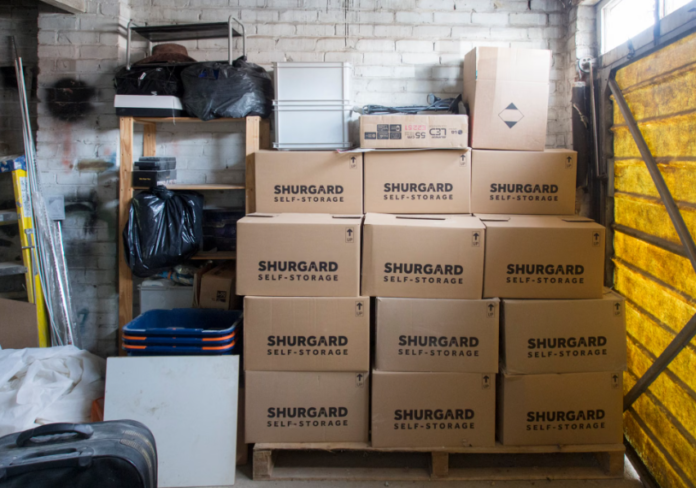
Do not choose the smallest possible unit simply because everything can technically fit. Leave a narrow aisle from the door to the back wall, stack heavy boxes low, and avoid creating tall, unstable columns. Renting a slightly more practical space can save time if you need something before the move is complete.
When Climate Control Makes Sense
Climate-controlled storage may be a sensible choice for wood furniture, musical instruments, electronics, books, photographs, papers, artwork, leather goods, clothing, and upholstered furniture. These items can be more vulnerable to prolonged humidity or major temperature swings. Climate control is not essential for every possession, however. Durable plastic bins, properly cleaned outdoor tools, metal shelving, and weather-resistant equipment may have different needs.
Regardless of unit type, never place damp belongings into storage. Let cleaned items dry fully, use breathable protective materials where appropriate, and keep upholstered items and mattresses raised off the floor.
Why Access and Facility Layout Matter
Convenience has real value in New York City. Compare tenant access hours with office hours, confirm whether carts or elevators are available, and ask how close a vehicle can get to the loading area. The city’s loading zones provide curb access for loading and unloading, but posted signs and restrictions must still be checked before the truck arrives.
Also measure large furniture against the storage facility’s doors, hallways, and elevators. A unit can be the right size while the route to it is not. In apartment buildings, elevator availability can affect the entire moving schedule, so confirm reservations and access procedures with building management in advance.
How to Pack and Protect Belongings
Use sturdy boxes with secure lids, and label at least two sides of every box. Wrap furniture to protect corners and surfaces, keep heavy items on the bottom, and place lighter cartons on top. Do not block vents, balance boxes unevenly, or leave sharp edges exposed. Keep frequently needed items at the front and create a simple map of the unit on your phone.
What to Check Before Signing
Read the full rental agreement before committing. Compare base rent, promotional pricing, administrative charges, deposits, insurance or protection requirements, payment rules, late fees, move-out notice periods, and terms that may allow rent changes. Ask whether changing to a different unit size is possible if your inventory changes. Important policies should be available in writing.
How to Plan Move-In Day
Confirm your reservation, access instructions, and payment status before loading the truck. Pack the vehicle in the same order you intend to fill the unit. Put large furniture along the back and sides when possible, keep labels facing outward, and preserve the planned walkway. Photograph the completed unit for your records. Keep medications, identification, important documents, valuables, and daily necessities with you rather than in storage.
Common Storage Mistakes to Avoid
- Renting before completing an inventory.
- Choosing only by monthly price.
- Ignoring door, hallway, or elevator dimensions.
- Packing without labels or an access plan.
- Storing wet, dirty, or unstable items.
- Forgetting fees, insurance terms, or move-out notice requirements.
Myth: A larger unit is always better.
Fact: The best unit is sized to your belongings and arranged so you can access them safely. A thoughtful inventory, a realistic layout, and a clear understanding of New York moving logistics can make storage a useful part of a smoother city move.