


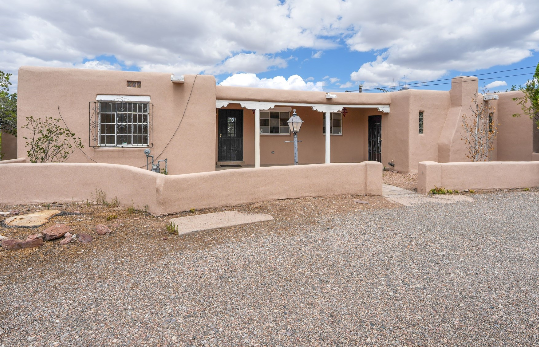
A beautiful house can still be the wrong purchase if its location does not support your everyday routine. In Santa Fe, New Mexico, a few miles can mean a very different experience, from historic streets near cultural destinations to planned communities with practical services, foothill settings with open-space access, or acreage properties with more independence and more responsibility.
Before comparing finishes, views, or square footage, start by comparing how each area fits your real life. Buyers exploring homes for sale in Santa Fe can use the property search and neighborhood information from Ricky Allen & Tara Earley Real Estate Group, a Santa Fe real estate team serving buyers across the city and surrounding areas. Their Santa Fe property page brings current listings together in one place, making it useful for comparing home styles, locations, and lifestyle priorities before narrowing the search.
Build a Personal Housing Profile First
Write down the needs that will shape your decision before opening another listing. This exercise keeps attractive photos from overshadowing practical considerations.
- Set a comfortable all-in monthly housing budget, not just a maximum purchase price.
- Consider work, school, medical appointments, and the drives you expect to make each week.
- List the services you want nearby, such as groceries, restaurants, recreation, or health care.
- Decide whether walking, trail access, outdoor space, privacy, or a short drive to town matters most.
- Identify your preferred home type, including adobe, condominium, townhome, newer construction, or acreage.
- Think five to ten years ahead. A home that works now should also leave room for likely changes in work, household size, mobility, or maintenance preferences.
Compare Santa Fe Areas by Daily Lifestyle
Historic and Central Areas
Central and historic settings can appeal to buyers who value established streets, distinctive architecture, galleries, restaurants, public spaces, and a closer connection to downtown activity. Exact walkability varies greatly by address, terrain, and the destinations you use most. Older homes also deserve extra attention during due diligence, particularly roofs, stucco, drainage, heating, electrical systems, and any rules that may affect exterior work.
South-Side and Planned Communities
These areas may offer a wider range of home types and practical proximity to shopping or daily services. When comparing properties, ask about traffic patterns, homeowners association rules, dues, parking, planned construction, and whether nearby roads or vacant land could change the setting over time.
Foothill and Scenic Areas
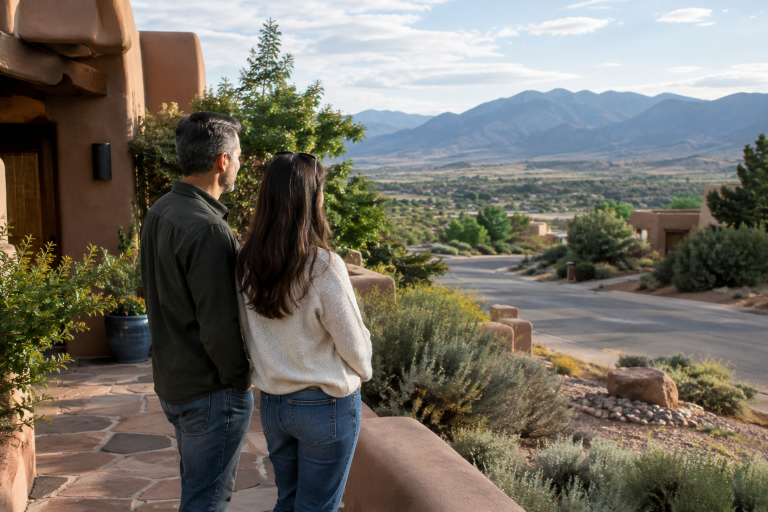
Foothill locations can offer views, privacy, larger lots, and closer access to open land. The trade-off may include steeper drives, wind exposure, longer trips for errands, and more complicated drainage or access questions. Visit after weather changes when possible, and ask how roads, driveways, and drainage channels perform in winter conditions or heavy rain.
Rural and Acreage Properties
Properties outside the denser parts of Santa Fe can offer space for gardens, animals, workshops, or simply greater separation from neighbors. They can also require a hands-on approach to wells, septic systems, propane, fencing, private roads, easements, snow removal, and emergency access. Rural living can be rewarding, but it should be chosen with a clear understanding of those responsibilities.
Look Beyond the List Price
The purchase price is only one part of ownership. Compare estimated monthly and annual costs for every serious contender, including mortgage payments, property taxes, insurance, utilities, association dues, landscaping, roof and stucco upkeep, and likely repairs. For a rural property, add well testing or service, septic maintenance, private-road contributions, propane, and equipment needed to care for the land.
A lower-priced home that needs frequent exterior work or has higher utility demands may not be the less expensive option over time. Ask for available utility histories, association documents, repair records, and seller disclosures, then discuss major findings with qualified inspectors and relevant service professionals.
Treat Resilience and Maintenance as Neighborhood Questions
In Santa Fe, property condition and location are closely connected. Review grading, roof drainage, downspouts, retaining features, water flow around the structure, access roads, vegetation, and the condition of exterior finishes. Reporting on flooding in the Four Corners region is a useful reminder that drainage and emergency planning deserve attention well before closing.
Architecture also affects maintenance expectations. Adobe and stucco homes should be evaluated for moisture management, roof-to-wall connections, drainage, and the condition of exterior coatings. Historic properties can require additional care before changing windows, doors, colors, additions, or other visible features. Newer homes may have warranties and more current systems, but buyers should still review insulation, mechanical equipment, drainage, and association requirements.
Weigh Culture, Convenience, and Sense of Place
Santa Fe’s appeal is tied to its architecture, arts, food, public spaces, and long cultural history. Understanding Santa Fe’s layered history can also help explain why neighborhood character changes so noticeably from one area to another. Decide whether you want to be near activity and cultural destinations, closer to everyday services, or in a quieter setting where privacy and landscape take priority.
There is no universal “best” neighborhood. The better question is which area best supports your preferred balance of convenience, quiet, maintenance, and connection to the community.
Use a Simple Neighborhood Scorecard
After each tour, score the property and its surroundings from one to five in these categories:
- Estimated ownership cost
- Commute and travel time
- Access to groceries, services, and appointments
- Noise, traffic, parking, and privacy
- Outdoor access and usable outdoor space
- Maintenance demands and condition concerns
- Community feel and long-term flexibility
Write notes immediately. After several showings, details such as road noise, driveway slope, afternoon light, or the distance to errands can blur together.
Visit More Than Once and Ask Better Questions
A single daytime showing rarely reveals the full rhythm of a neighborhood. Visit on a weekday morning, during late-afternoon traffic, and on a weekend evening. Drive the route to places you will actually use. Notice lighting, wind, parking, pedestrian activity, traffic, and how comfortable the approach feels after dark.
During showings, ask about the age and condition of the roof, heating equipment, cooling equipment, water heater, utilities, major repairs, insurance claims, drainage concerns, private roads, shared driveways, easements, and neighborhood rules. For rural homes, confirm who maintains access and which systems are private.
Make the Final Decision With Current Evidence
Citywide averages can hide major differences between property types and locations. Review recent closed sales, active listings, pending properties, price reductions, days on market, and seller concessions for homes that are genuinely comparable in location, age, condition, lot size, and style.
Start with three or four areas rather than trying to evaluate every part of Santa Fe at once. Then follow a practical sequence: define your priorities, set an all-in budget, compare neighborhoods, visit at different times, inspect systems and access, and choose the location that offers the strongest long-term fit. The right Santa Fe neighborhood is the one that supports your daily life long after the listing photos are forgotten.
