


Key Takeaways
- Outdoor headwear should balance shade, airflow, secure fit, and comfort.
- The best choice depends on the activity, expected weather, and how long people will wear it.
- Caps and visors are only one part of a sun-safety plan that also includes water, shade, sunscreen, and weather awareness.
- Adjustable closures, breathable materials, and simple color choices can make group orders easier to use.
- Every outdoor event needs a clear plan for heat, rain, wind, and lightning.
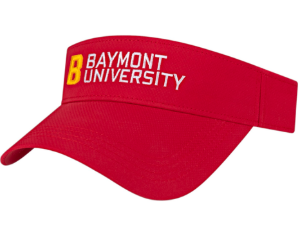
Outdoor practices, tournaments, golf outings, festivals, and volunteer events can keep people in direct sunlight for long stretches. Choosing practical headwear helps teams manage glare and adds shade around the eyes and upper face. For groups that want an open-top option, custom embroidered visors can support team identification while allowing airflow around the top of the head.
Headwear is useful, but it does not replace sunscreen, protective clothing, hydration, or time in the shade. A better approach is to plan for comfort and safety throughout the event, especially when participants will be active in warm or bright conditions.
Why Headwear Matters at Outdoor Events
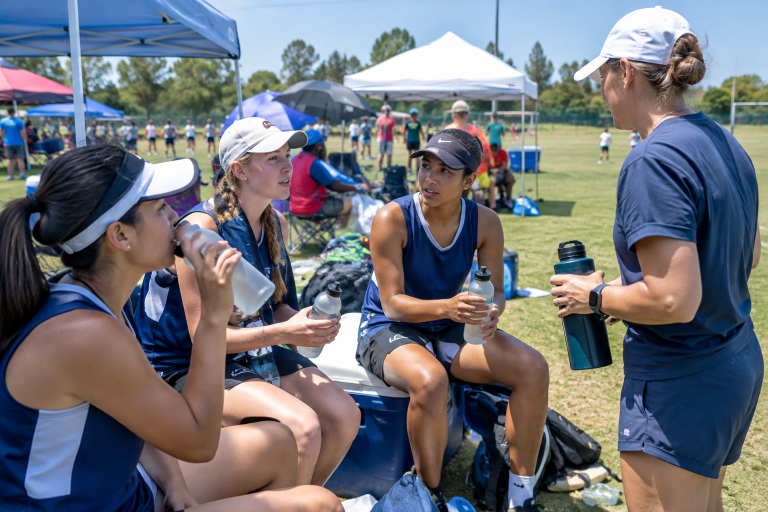
A well-fitted cap or visor can reduce distracting glare and make it easier for players, staff, and volunteers to stay focused. It can also provide a consistent visual cue for identifying coaches, officials, or event staff in a busy setting. Event planning should go beyond apparel, however. Research on climate adaptation for sports events highlights the value of preparing for heat, shade, cooling, communication, and changing weather conditions together.
Choose the Right Style for the Activity
- Fast-moving sports: Choose lightweight styles with a dependable closure and a low-profile fit that stays put while running or bending.
- Golf and leisure events: Prioritize comfortable shade and glare reduction for participants who may be outside for several hours.
- Beach, pool, and resort programs: Look for airy, quick-drying options that remain comfortable in warm, humid conditions.
- Outdoor staff: Use consistent colors and adjustable styles so crew members are easier to recognize and can wear headwear through long shifts.
- Pickleball and tennis: Select low-bulk headwear that does not interfere with upward vision or quick movement.
Features to Check Before Ordering
- Breathable materials: Select fabrics and construction that feel comfortable during active use and allow heat to escape.
- Secure adjustment: Test hook-and-loop, buckle, snap, or stretch closures to ensure the fit remains steady in wind and motion.
- Comfortable sweatband: An interior band can help manage perspiration and reduce friction against the forehead.
- Useful coverage: Consider the bill shape and width, along with the amount of shade the activity calls for.
- Lightweight construction: Less bulk is often more comfortable during long games, shifts, or event days.
- Durable finishing: Review seams, closure points, and decoration placement before committing to a large group order.
Match Headwear to Weather Conditions
Weather should influence both the style selected and the supplies available on site. On hot, humid days, prioritize airflow, moisture management, and a light feel. In bright, dry weather, focus on comfortable shade and glare reduction. Windy venues call for secure closures, while light rain may make quick-drying materials and spare gear useful. When storms are possible, headwear selection becomes secondary to a clear weather response plan.
Use Headwear as Part of a Wider Sun-Safety Plan
- Review the forecast and UV conditions before the event begins.
- Make drinking water and shaded rest areas easy to find.
- Encourage sunscreen on exposed skin and reapplication according to the product directions.
- Schedule breaks during the hottest periods when the event format allows.
- Teach staff and participants to report symptoms of heat stress promptly.
- Assign one person to watch for weather changes and communicate decisions.
Fit and Sizing Tips for Group Orders
Adjustable headwear can simplify ordering for groups with varied head sizes and personal preferences. Order samples when possible, then ask people to test the fit while moving, looking upward, and wearing any usual eyewear. Hair length, hairstyles, and comfort preferences can affect how a piece feels throughout the day. Keep a small reserve for late additions, replacements, and unexpected needs.
Color, Visibility, and Team Coordination
Color choices should serve both comfort and organization. Lighter colors may be preferable for people spending time in strong sun, while bright or contrasting colors can help staff stand out at a crowded venue. Team colors can make players and coaches easier to identify. A simple design with clear contrast is often easier to recognize from a distance than an overly detailed one.
Care Tips for Longer Wear
- Follow the care instructions supplied for the specific item.
- Remove sweat, dirt, and sunscreen residue after heavy use.
- Allow headwear to dry fully before storing it.
- Avoid crushing the bill or leaving items in extreme heat for extended periods.
- Inspect seams and closures before major events, then replace damaged pieces.
Weather Planning for Outdoor Events
Sun protection is only one part of event readiness. Before activity starts, identify who will monitor forecasts, where participants will take shelter, and how instructions will be shared. The CDC recommendations for organized sporting events emphasize an evacuation plan, weather monitoring, designated safe shelter, and clear communication for players and spectators.
What Should Teams Do During Lightning?
Stop outdoor activity when lightning is a threat and direct everyone to the preselected safe shelter. Participants should follow venue instructions and wait for the responsible official to give an all-clear before returning. Clear announcements, signs, messages, or event-app alerts can reduce confusion when conditions change quickly.
Common Questions
Are Visors Better Than Full Caps for Outdoor Activities?
The better choice depends on the activity, hairstyle, desired coverage, and personal comfort. Visors leave the top of the head open, while full caps provide additional coverage there. Both should fit securely and work with the wearer’s movement needs.
What Material Works Best in Hot Weather?
Lightweight, breathable materials are a practical starting point. The full design also matters, including the sweatband, stitching, fit, bill shape, and closure.
How Many Pieces Should an Event Organizer Order?
Count participants, staff, volunteers, and planned backups. Adding a small reserve helps cover replacements, late registrations, and last-minute crew changes.
Can Headwear Prevent Sunburn?
Headwear can shade some areas, but it does not cover all exposed skin, including parts of the face, ears, neck, and scalp. Sunscreen, shade, and protective clothing remain important.
Final Checklist Before the Event
- Confirm the activity, venue, and expected weather.
- Choose a style that matches movement, fit, and coverage needs.
- Check the closure, sweatband, material, and construction.
- Test samples before placing a large order.
- Prepare water, sunscreen, shade, and cooling options.
- Assign weather-monitoring and communication responsibilities.
- Share shelter and emergency instructions before the event starts.
Conclusion
The right outdoor headwear balances comfort, fit, airflow, coverage, and event demands. A lightweight option may suit an active team, while a more visible color may better serve event staff. Combined with water, sunscreen, shade, breaks, and clear weather procedures, practical headwear can help outdoor programs feel more organized and better prepared.