


Meta title: Robot Vacuum for Carpet: How to Choose at Mixed-Floor Homes
Meta description: Learn what to look for in a robot vacuum for carpet, from pile height and pet hair to mop control. Find the right setup for mixed-floor homes.
What to Look for in a Robot Vacuum for Carpet?
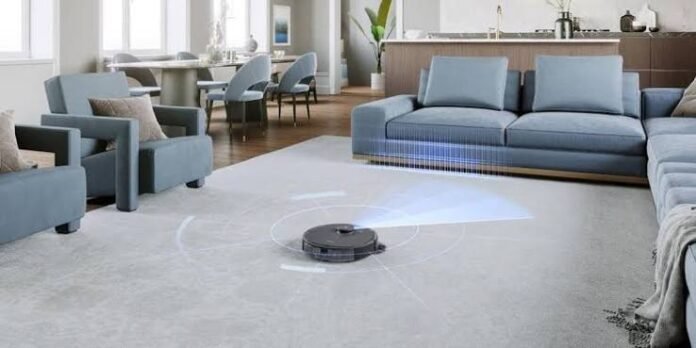
Shopping for a robot vacuum that actually works on carpet and doesn’t mess up your hard floors? You’re not alone. A good carpet robot vacuum needs to fit your specific carpet type, how much pet hair you deal with, and how your hard floors are laid out. If your home has a mix of both, the highest suction rarely tells the whole story. Instead, you’ll want to look at carpet pile height, brush design, edge cleaning performance, and most importantly, whether the robot can keep its mop far away from your rugs.
Identify carpet type and pile
Start with your carpet pile. The Carpet and Rug Institute says durable carpet for rooms usually has dense construction, and pile heights of 1/2 inch or less tend to hold up better in heavy-traffic zones such as entryways, halls, stairs, and playrooms. For robot vacuums, that matters a lot: shorter pile gives the brush a smoother path, cuts down on drag along edges, and lets the robot maintain contact with the surface. Low-pile carpet is basically the sweet spot for robot cleaners.
Medium-pile carpet can still work great, but the robot’s route matters more than you might think. If you notice it slowing down at floor transitions, leaving crumbs near furniture legs, or pushing lightweight rugs around the room, weak suction usually isn’t the cause. It’s almost always poor brush contact or an inefficient map. Rooms with medium pile clean best when the path is straightforward and there’s enough space between furniture for the robot to turn.
High-pile and shag rugs call for more caution. A robot might clean the top layer, but leave debris buried deep in the fibers. Some brushes can also tug at the texture instead of gliding over it, which can wear your carpet out faster over time. Fringed rugs, curled corners, and thin mats add another problem: robots tend to catch on them or shove them out of place. If your room has a lot of those, setting a no-go zone usually gives you cleaner results than forcing the robot to power through every inch.
Before you buy, do this quick at-home check:
- Measure the pile height in the rooms
| Low pile usually means 0 to 0.3 inch, medium pile sits around 0.301 to 0.55 inch, and high pile starts at 0.551 inch. Shag is a more cautious case for robot vacuums because carpet-industry guidance treats it as long pile from about 0.79 inch. |
- Note any rugs with fringe, curled edges, or loose corners.
- Mentally map the robot’s path from carpet to hard floor and back.
- Be honest about which areas need daily cleaning and which you’ll still handle in person.
Suction, brush and edge coverage
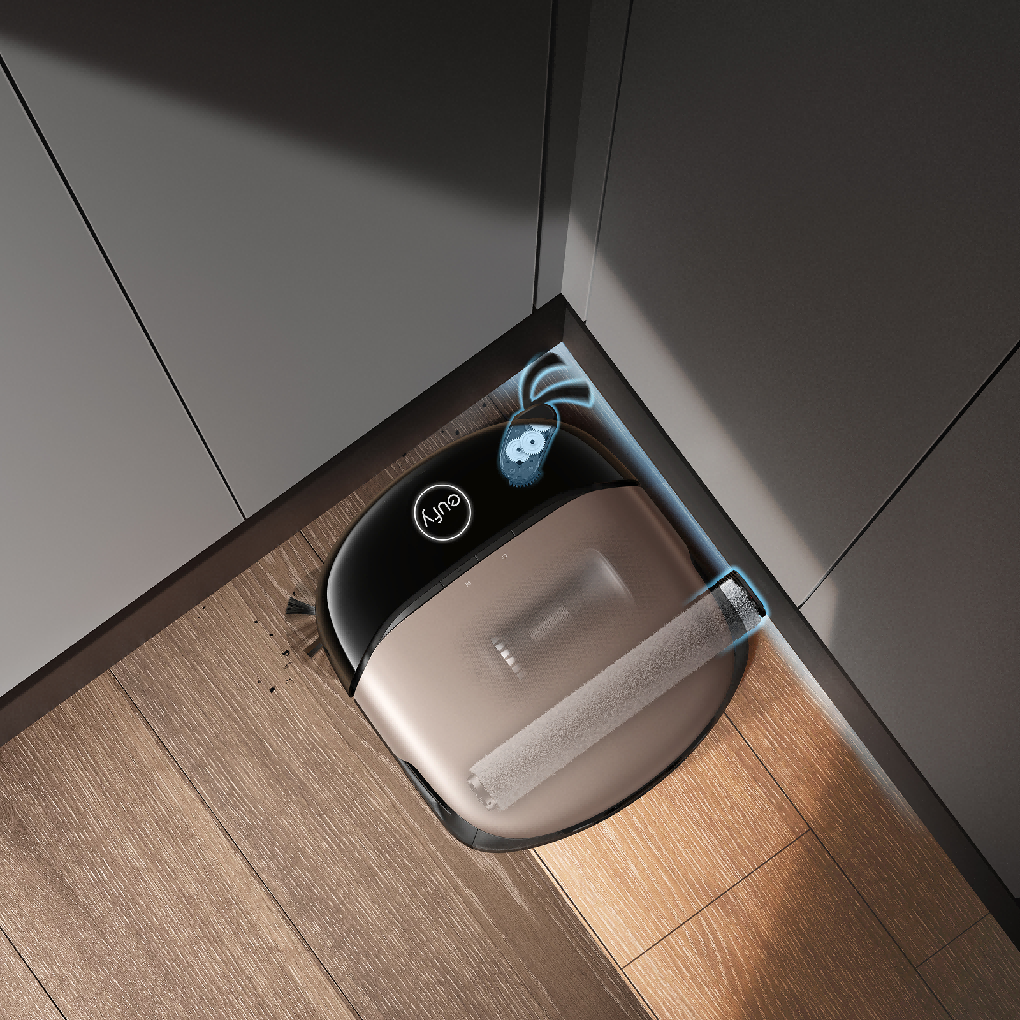
Suction helps lift small debris from carpet, but carpet cleaning also depends on airflow, brush design, and edge reach. This is extra obvious if you have pets because pet hair loves to collect along baseboards, around chair legs, and under sofa edges. For pet owners, the brush system is just as important as suction. A detangling roller is better if long hair or fur is constantly wrapping around the brush because it cuts down on post-cleanup maintenance. Side brushes matter too, but they should actually reach the edge instead of putting debris back into the middle of the room. For more models made for heavy-shedding homes, see eufy’s pet hair robot vacuums.
Take the eufy Robot Vacuum Omni E35 as an example. It’s built specifically to solve these exact mixed-floor pain points. On its US product page, you’ll see specs like 35,000 Pa peak suction, DuoSpiral detangle brushes, CornerRover true corner coverage, AI See 3.0 obstacle avoidance, a HydroJet 2.0 self-cleaning roller mop, and a ThermoFresh hot wash-and-dry station. All those features can be suitable for a mixed-floor home because you’re usually asking one robot to do three jobs at once: dig debris out of carpet fibers, clean right up to furniture edges, and mop hard floors without making a mess.
Alt: eufy Robot Vacuum Omni E35 cleaning the edges
Moving between carpet and hard floors
Mixed-floor homes create tricky spots at thresholds and rug edges. A robot that climbs onto carpet in one room might slow to a crawl on a transition strip, or drag a light rug across your tile floor. That’s why mapping matters more than a small increase in suction. Room divisions, virtual boundaries, and no-mop zones will make a bigger difference in your day-to-day use.
The checks are simple: tall thresholds can block off entire rooms. Thin rugs can fold up under the robot. Furniture legs can trap it. If the path from your kitchen to living room crosses a rug, a no-mop zone will keep the robot from wetting surfaces.
eufy support describes how to set No-Go Zones, Virtual Boundaries, and No-Mop Zones on the Omni E35. These tools work for any home with area rugs, loose mats, or carpeted rooms that need to stay dry. If the app lets you save rules per room, set carpeted rooms to vacuum-only and reserve mopping for hard floors. It makes the robot’s cleaning more consistent and reliable.
Mopping around carpet
If the water stays far away from your carpet, a robot vacuum and mop combo is great for mixed-floor homes. It sounds obvious but it’s easy to forget until your first scheduled run accidentally drags a wet mop across your favorite rug. The fix is simple: define no-mop areas before every run, and keep vacuum-only rooms separate from rooms that get both vacuum and mop.
Separate schedules almost always work better than one all-purpose run. Use one schedule for carpet and rugs, then run a separate mopping pass for kitchens, mudrooms, and hallways later. It keeps your carpet dry and makes it way easier to tell if the robot’s cleaning pattern is actually working after a week or two.
The E35’s HydroJet 2.0 roller mop works better when your home layout gives it a clear path. If you have fringed rugs or lightweight mats that shift around, the safer choice is to block those areas off and let the robot mop the hard floor around them. That’s far more practical than trying to force one cleaning mode to work on every surface.
A Carpet Friendly Setup for Mixed Floors
Use this table to match your floor setup to what you should actually prioritize:
| Home situation | Main issue | What to prioritize |
| Mostly low-pile carpet | Fine dust and crumbs | Steady brush contact and regular runs |
| Carpet with pets | Hair wrap and edge dirt | Detangling brush design, corner reach, and easy cleanup |
| Hard floors with rugs | Mop passes crossing carpet | No-mop zones, room maps, and separate schedules |
| Thick or shag rugs | Brush drag and possible fiber wear | Vacuum-only cleaning or extra manual passes |
| Many thresholds | Missed rooms and stuck turns | Obstacle handling and simpler routes |
If your home falls into the first two rows, a robot vacuum will probably become a regular part of your routine. If it’s closer to the last two, it can still help a lot but you’ll just need more setup, or a different tool for some of the work. You can browse our robot vacuums for carpet.
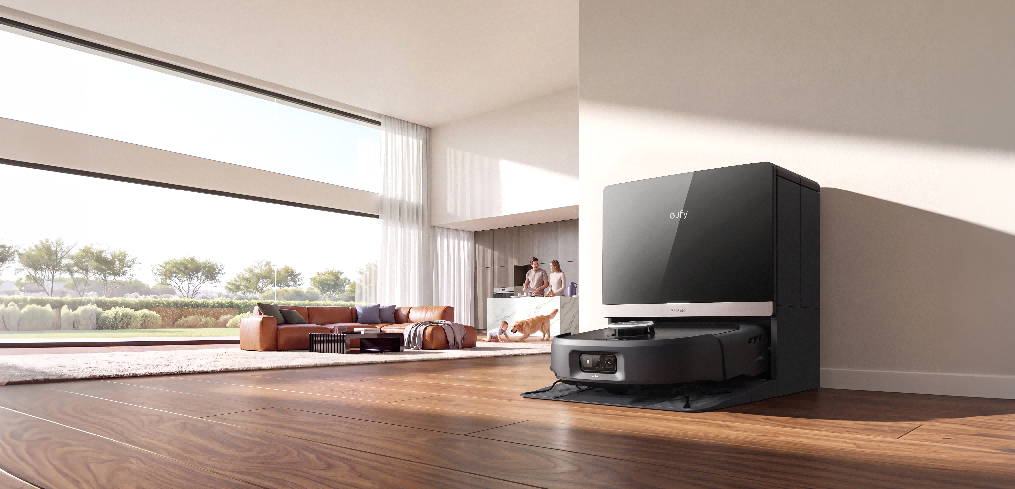
The eufy Robot Vacuum Omni E35 will be better for homes with low to medium-pile carpet, flat-lying rugs, and an app map that can cleanly separate wet and dry zones. Thick shag, loose fringe, and very high thresholds still need a closer look. This model handles most of the daily work, but your floor plan will always set the limits.
Alt: eufy Robot Vacuum Omni E35 at a mixed-floor house
Conclusion
Low-pile is straightforward. Medium-pile needs extra attention to brush contact and edge cleaning. High-pile and shag require caution, especially if there’s fringe or loose corners involved. And if it has a mop? Just remember one rule: water stays off the carpet, and the app map should make that easy to enforce.
For mixed-floor homes, the eufy Robot Vacuum Omni E35 is a solid option that packs carpet suction, corner cleaning, obstacle handling, and mopping control all into one system. Your setup will always matter more than the spec sheet, but the right robot makes that setup much easier to live with.
