


Key Takeaways
- Plan seasonal tire changes around consistent temperatures and real road conditions, not a single calendar date.
- Use every changeover as an opportunity to inspect tread, sidewalls, wheels, and tire pressure.
- Check tire pressure when the tires are cold and follow the vehicle manufacturer’s recommended pressure setting.
- Choose tires based on Toronto driving conditions, your vehicle, and the roads you use most often.
- Clean, dry, label, and protect stored tires so they are ready for the next season.
Toronto drivers can see several seasons in one week, from slushy commutes and pothole-heavy streets to humid summer pavement and sudden fall temperature drops. A planned tire change in Toronto helps make those transitions less stressful while giving you time to spot wear or damage before it becomes a larger problem.
A seasonal swap is not simply about putting one set of tires away and installing another. It is a practical safety check for the four parts of your vehicle that meet the road. With a little advance planning, drivers can enter each season with better traction, more predictable handling, and fewer unpleasant surprises.
Table of Contents
- Why Seasonal Tire Changes Matter
- When to Change Tires in Toronto
- What to Check Before a Tire Change
- Choosing the Right Tire Type
- Pressure, Tread, and Uneven Wear
- How to Store Tires Between Seasons
- Common Changeover Mistakes
- A Simple Seasonal Tire Checklist
- Frequently Asked Questions
Why Seasonal Tire Changes Matter
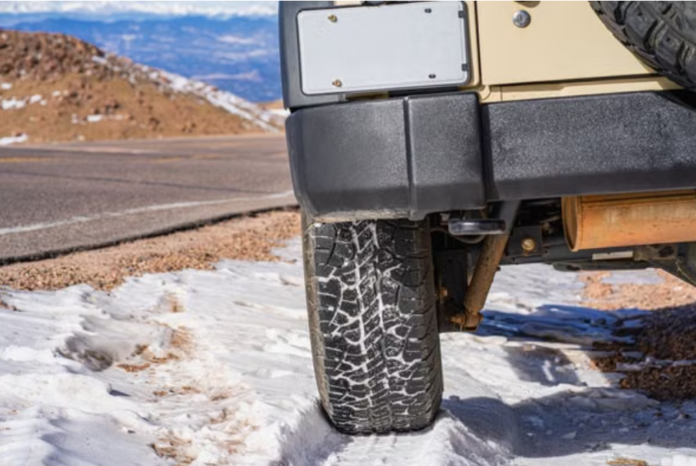
Tires are designed with different rubber compounds and tread patterns for different conditions. A tire that feels confident on warm, wet pavement may not provide the same performance during a freezing Toronto morning, while a winter tire can wear more quickly when driven through prolonged hot weather. Seasonal changes also provide a useful time to look for damage caused by curbs, construction debris, road salt, and potholes.
That inspection matters because tire condition influences braking, steering response, ride quality, and wet-road grip. A driver may not notice gradual tread wear during daily errands, but a tire change puts each tire in full view before it is stored or reinstalled.
When to Change Tires in Toronto
Temperature trends are more helpful than choosing the same date every year. In the fall, make the switch before freezing conditions become routine or the first major snowfall creates a rush for appointments. In spring, wait until winter conditions have passed and daytime and overnight temperatures are consistently milder.
Cold weather can reduce inflation pressure, so it is wise to prepare before conditions become difficult. The recommended winter vehicle preparation also emphasizes checking tires, using the manufacturer’s recommended pressure, and inspecting the tread while the tires are cold.
What to Check Before a Tire Change
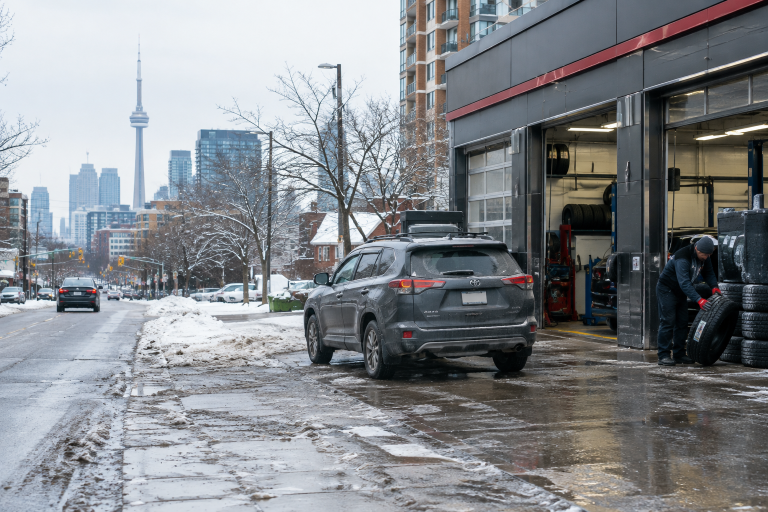
Before installing or storing a set of tires, complete a quick inspection in good light:
- Check tread for shallow areas, exposed wear bars, and irregular patterns.
- Inspect sidewalls for cuts, cracks, bulges, or deep scrapes.
- Look for nails, screws, stones, or other embedded objects.
- Read the tire date code and consider the tire’s overall condition and age.
- Inspect wheels for visible bends, cracks, corrosion, or curb damage.
- Record the previous position of each tire if you plan to rotate it later.
A small puncture or sidewall issue is easier to address before the tire is put into storage. It also prevents the frustration of reinstalling a tire months later, only to discover it cannot remain in service safely.
Choosing the Right Tire Type
There is no universal best tire for every Toronto driver. Your choice should reflect the vehicle manufacturer’s specifications, where you drive, how often you travel outside the city, available storage space, and the winter conditions you expect.
- Winter tires: Built for cold weather and drivers who regularly encounter snow, ice, or freezing temperatures.
- Summer tires: Intended for warm-weather grip and handling, not snow or below-freezing operation.
- All-season tires: A versatile option for moderate conditions, though they are not a substitute for dedicated winter tires in severe winter use.
- All-weather tires: A year-round option that may offer stronger winter capability than many all-season designs.
Pressure, Tread, and Uneven Wear
Use the pressure listed on the driver’s door-frame label or in the owner’s manual, rather than the maximum number printed on the tire sidewall. Check it before driving or after the vehicle has been parked long enough for the tires to cool. Include the spare tire if your vehicle has one.
Pay attention to where wear appears. More wear in the center can indicate overinflation, while heavier shoulder wear can indicate underinflation. Cupping, vibration, or uneven wear may warrant a professional inspection of balance, alignment, rotation needs, or suspension components. Reliable tire maintenance guidance also notes that tread and inflation should be checked regularly.
How to Store Tires Between Seasons
Good storage protects tires from unnecessary exposure and makes the next switch easier. Follow this simple process:
- Wash away road salt, mud, and brake dust.
- Allow tires and wheels to dry completely.
- Label each tire by its previous position on the vehicle.
- Store them in a cool, dry, dark area away from heaters, sunlight, and moisture.
- Ask a qualified tire professional about the best storage orientation for your mounted or unmounted set.
Common Changeover Mistakes
- Waiting until the first snowstorm to arrange service.
- Leaving winter tires on through extended summer heat.
- Ignoring a slow leak because the tire still appears inflated.
- Storing tires outdoors where sunlight and moisture can affect them.
- Overlooking vibration that may signal a balancing issue.
- Mixing tire sizes or types without confirming compatibility.
- Forgetting to check the tire pressure monitoring system after installation.
For example, a minor steering-wheel vibration may seem easy to ignore after a swap. Left unaddressed, it can make driving less comfortable and may contribute to irregular wear. A short test drive after installation is an easy way to notice changes early.
A Simple Seasonal Tire Checklist
- ☐ Book the change before the seasonal rush
- ☐ Inspect tires and wheels for visible damage
- ☐ Review tread depth and uneven wear
- ☐ Check tire age and overall condition
- ☐ Set cold tire pressure to the vehicle specification
- ☐ Confirm lug nuts are tightened to the proper specification
- ☐ Check the tire pressure monitoring system
- ☐ Clean, dry, label, and protect stored tires
- ☐ Take a short drive and listen for vibration, noise, or handling changes
Frequently Asked Questions
Should tires be changed on a specific date?
No. Conditions and temperature patterns are more useful guides than one fixed date. Check your owner’s manual and consider the routes you drive most often.
Can winter tires be used all year?
They can be driven year-round, but winter tires are designed for cold conditions. Keeping them on through warm weather can lead to faster wear and reduce the benefit of saving them for winter driving.
How often should tire pressure be checked?
Check it at least monthly, before long trips, and whenever temperatures change sharply.
What does uneven tire wear mean?
It can be related to incorrect pressure, missed rotations, wheel alignment, balancing, or worn suspension parts. An inspection can help identify the cause.
Conclusion
A seasonal tire change is a valuable opportunity to prepare for Toronto roads, not just a routine appointment. Inspecting tread, checking cold pressure, choosing an appropriate tire type, and storing the unused set carefully can help each season begin with greater confidence behind the wheel.