


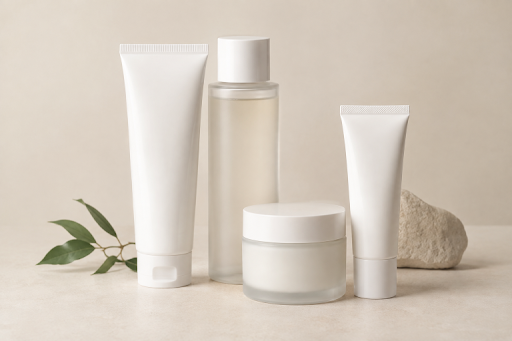
Key Takeaways
- A short routine is easier to use consistently and easier to adjust.
- Cleanser, hydration, moisturizer, and sunscreen create a useful foundation for most people.
- Double cleansing can help remove makeup and sunscreen, but it is not essential for everyone.
- Skin type, weather, daily activity, and product tolerance should guide product choices.
- Add new treatments one at a time so it is easier to notice irritation or breakouts.
- Daily broad-spectrum sunscreen is an important part of protecting skin from sun exposure.
A Japanese-inspired skincare routine does not need to be long, expensive, or built around a shelf full of products. Its practical strength is consistency: gentle cleansing, comfortable hydration, moisturizer when needed, and reliable sun protection. If you are exploring the best Japanese skincare options, start by choosing products that suit your skin rather than copying every step from someone else’s routine.
Why Simple Routines Work Well
A simple routine gives skin time to respond without constant changes. Using fewer products can also make it easier to identify what is helping and what may be causing dryness, stinging, clogged pores, or redness. Instead of chasing immediate results, focus on keeping skin clean, comfortable, and protected day after day.
Japanese skincare is often associated with carefully layered hydration, but layering is optional. The goal is not to complete a fixed number of steps. Start with the basics, then add a product only when it addresses a clear need, such as dryness, uneven-looking tone, or recurring congestion.
The Basic Morning Routine
- Cleanse: Wash with a gentle cleanser if you wake up oily or sweaty. If your skin feels comfortable, a lukewarm-water rinse may be enough for some people.
- Hydrate: Press a watery lotion, essence, or hydrating toner onto slightly damp skin if it feels tight or dehydrated.
- Treat: Use one serum targeted to your main concern, rather than several products at once.
- Moisturize: Choose a gel, lotion, or cream texture that leaves skin comfortable without feeling overly heavy.
- Protect: Finish with sunscreen. The broad-spectrum SPF 30 or higher and water-resistant sunscreen recommended by dermatologists is a dependable everyday standard.
Give a new routine several weeks before making major changes, unless it causes obvious discomfort. Skin care works best as a steady habit, not a daily experiment.
The Basic Evening Routine
- Remove makeup or sunscreen: Use an oil cleanser, balm, or micellar water to help break down makeup or long-wear sunscreen.
- Cleanse: Follow with a mild, water-based cleanser if needed, then pat the skin dry rather than rub it.
- Hydrate: Apply a lotion or essence if your skin benefits from an extra layer of water-based hydration.
- Treat: Use one evening treatment, such as a retinoid or an exfoliant, according to the label’s directions.
- Moisturize: Apply a moisturizer that helps skin feel comfortable overnight.
Double cleansing is optional, not a rule. It can be useful for removing waterproof makeup or sunscreen, but washing twice can also cause dryness and irritation if the skin is cleansed too aggressively or too often.
How To Choose Products by Skin Type
Dry Skin
Look for gentle, non-stripping cleansers and add hydrating layers before a cream or richer lotion. Avoid scrubbing and very hot water, both of which can leave dry skin feeling more uncomfortable.
Oily Skin
Oily skin still needs water and moisture. Lightweight lotions, gel moisturizers, and products labeled non-comedogenic can feel more comfortable than heavy textures. Avoid trying to “dry out” skin with harsh cleansing.
Combination Skin
Use flexible textures. A light gel may work well across the forehead and nose, while cheeks may need a creamier moisturizer. You can apply different amounts of the same product to different areas.
Sensitive Skin
Keep the routine short and choose fragrance-free products when possible. Patch-test a new product on a small area first, then introduce only one new item at a time.
Acne-Prone Skin
Focus on gentle cleansing, lightweight hydration, and products that won’t feel pore-clogging on your skin. Persistent, painful, or scarring breakouts deserve guidance from a dermatologist instead of repeated product switching.
Where Hydrating Lotions Fit In
In Japanese skincare, “lotion” commonly describes a thin, water-like hydrating product rather than a thick body lotion. It usually goes on after cleansing and before serums or creams. Apply watery products first, then move toward thicker textures.
Stop when your skin feels comfortable. Multiple layers can be pleasant in dry weather, but more product is not automatically better.
How To Add Active Ingredients Safely
Vitamin C, niacinamide, retinoids, and exfoliating acids can each serve different purposes, but combining several strong products immediately can make it difficult to tell what your skin tolerates. Pick one priority and introduce one active ingredient at a time.
- Begin with low frequency, such as once or twice weekly, when the label allows.
- Follow the product directions instead of increasing use quickly.
- Use sunscreen every morning, especially when using exfoliating or brightening products.
- Pause a product if you develop burning, swelling, persistent redness, or significant peeling.
Routine Adjustments for Everyday Life
Your routine can change with your schedule and environment. Use lighter layers in humid weather, consider a richer moisturizer during cold or heated indoor months, and cleanse after heavy sweating when practical. Reapply sunscreen during extended outdoor time, and keep travel routines simple enough to maintain.
Common Mistakes To Avoid
- Copying another person’s routine without considering your own skin.
- Introducing several new products in the same week.
- Scrubbing, over-cleansing, or using very hot water.
- Layering multiple strong active ingredients without a plan.
- Skipping moisturizer because skin looks oily.
- Skipping sunscreen after using treatments that may increase sensitivity.
- Expecting meaningful changes after only a few days.
A Simple Four-Week Routine-Building Plan
- Week One: Use cleanser, moisturizer, and sunscreen.
- Week Two: Add a hydrating lotion or essence if skin needs more comfort.
- Week Three: Add one targeted serum for your main concern.
- Week Four: Review the routine and remove steps that irritate skin or add no clear benefit.
When To See a Dermatologist
Skin care can support everyday comfort, but it cannot replace medical care. Seek professional advice for painful acne, sudden rashes, ongoing redness, swelling, severe dryness, changing dark spots, or symptoms that do not improve with gentle care.
Conclusion
A Japanese-inspired skincare routine can be gentle, flexible, and easy to maintain. Build around cleansing, hydration, moisturizer, and daily sunscreen, then add treatments slowly. The most effective routine is not the longest one. It is the one that fits your skin, your climate, and your real life.