


Key Takeaways
- Split trunks, sudden leaning, hanging limbs, and storm damage warrant prompt professional attention.
- Columbus weather can weaken branches and root stability, making seasonal changes worth monitoring.
- Pruning, clearance work, or monitoring may address concerns without removing an otherwise healthy tree.
- Damaged trees require a safe distance, and potential power line hazards require contacting the electric utility.
- Clear property details and written estimates help define expectations for access, equipment, hauling, stump work, and cleanup.
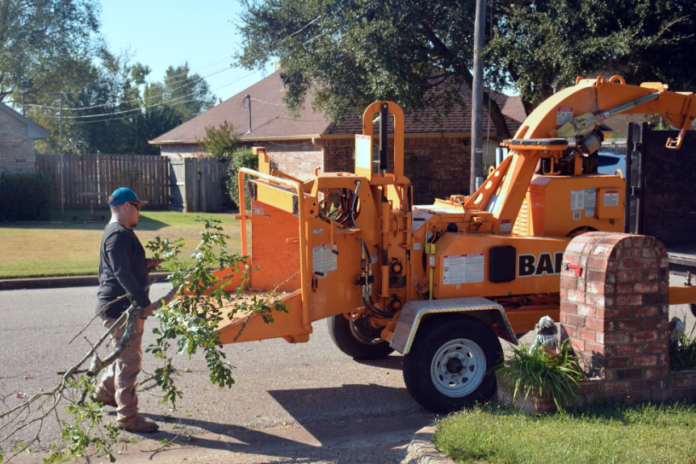
In Columbus, OH, a tree can be one of the best features of a property until a split limb, a leaning trunk, a storm break, or an overgrown canopy creates a real concern. When a tree looks unstable, the safest response is to keep people and pets away, avoid cutting or climbing it, and contact a professional. Challengers Tree Service provides tree removal, trimming, storm cleanup, stump work, and related services for homeowners, businesses, and property managers throughout the Columbus area.
Central Ohio properties experience changing seasonal conditions, including high winds, heavy rain, ice, snow, and summer thunderstorms. Those conditions can expose weak branches, saturate soil around roots, or turn an already damaged tree into an urgent problem. A thoughtful service request gives a tree crew the details needed to assess access, hazards, nearby structures, and the appropriate scope of work.
Winter adds another layer of risk. A thin coating of freezing rain can weigh down branches that looked healthy in October, and a heavy wet snow can bend limbs until they crack. In early spring, thawing ground can loosen the soil anchoring a tree’s roots, which is why a tree that seemed stable through the winter may begin to lean once the ground softens. Property owners who notice these changes early often have more options than those who wait until a limb has already landed on a fence or parked car.
When Should Columbus Property Owners Request Tree Service?
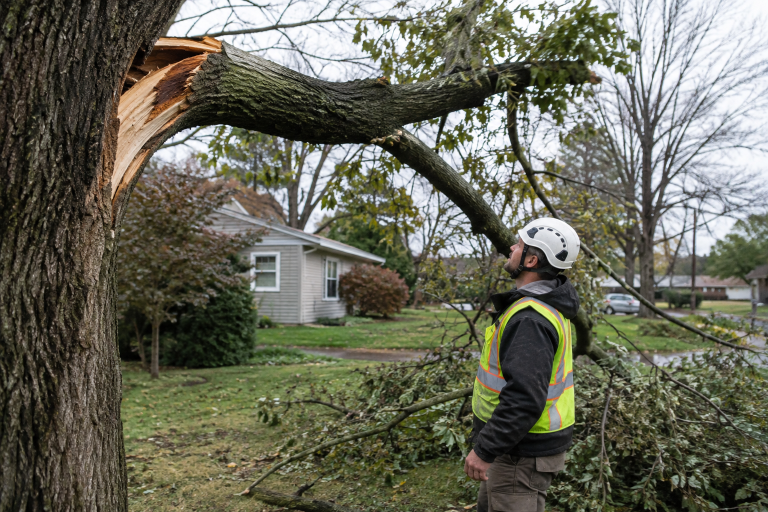
A request is appropriate whenever a tree needs a professional opinion, routine maintenance, cleanup, or removal plan. Urgent situations include a tree or branch that has fallen, a trunk that has cracked or split, a tree that is suddenly leaning, or limbs that threaten a roof, driveway, sidewalk, vehicle, or building entrance.
Do not approach a damaged tree that is touching, leaning toward, or near electrical lines. Keep the area clear and contact the electric utility if there is a potential power line hazard. After the immediate danger is addressed, a tree service can evaluate the remaining tree, branches, debris, and access conditions.
For construction preparation, overgrown acreage, or a property transition, lot and land clearing in Columbus can help create usable space by addressing unwanted trees, brush, stumps, and debris. Selective clearing is especially useful when a property owner wants to preserve desirable trees while opening space for landscaping, a driveway, a building project, or improved access.
Why Local Tree Care Matters in Columbus, OH
Columbus neighborhoods include mature residential trees, compact urban lots, wooded edges, commercial corridors, and developing sites. Each setting has different risks. A large limb above a Clintonville sidewalk requires a different plan than a storm-damaged tree behind a Grove City garage or a dense brush line on the edge of a commercial site.
Central Ohio’s tree population is also shaped by species that have their own vulnerabilities. Silver maples, which grow quickly and are common along older streets and creek corridors, often develop weak wood and co-dominant stems that can split during heavy wind. Ash trees have been hit hard by the emerald ash borer, an invasive pest that has affected many neighborhoods across Franklin County, leaving dead or brittle trees that can drop limbs with little warning. Properties near the Scioto River and Olentangy River corridors may also contend with saturated soil after spring rains, which can loosen roots and make a tree more likely to lean after a storm.
Healthy trees are valuable to the community, so removal is not automatically the right answer. Columbus has adopted an Urban Forestry Master Plan focused on the long-term preservation and growth of the city’s urban forest. On private property, that same practical mindset means looking first at whether selective pruning, deadwood removal, clearance work, or monitoring can reasonably address the issue.
Signs That Deserve Prompt Attention
- Dead, broken, hanging, or visibly cracked branches.
- A trunk with a new split, cavity, or major area of decay.
- A tree that has shifted, leaned, or lifted soil around the root area.
- Limbs growing over a roof, driveway, play area, or heavily used walkway.
- Damage following wind, ice, snow, construction, excavation, or grading.
- Branches interfering with access, sightlines, or utility corridors.
Emergency Tree Problems Require a Calm, Safe Response
When a tree comes down during a storm, property owners should focus first on safety rather than cleanup. Stay out of the fall zone, do not pull branches that may be under tension, and do not attempt chainsaw work from a ladder or roof. Take photographs from a safe location if documentation is needed, and share clear details when making the service request.
Summer storms in Central Ohio can build quickly over the rooftops of Franklin County and leave a yard scattered with broken limbs within minutes. After the wind passes, it is easy to assume a tree is only lightly damaged, but a split crotch or a cracked trunk can fail hours or days later, especially when rain keeps the soil soft. Marking the area with cones or flagging tape and keeping children and pets indoors can help prevent someone from walking beneath a compromised tree while waiting for help.
Tree work involves elevated cutting, falling material, rigging, powered tools, and potential electrical hazards. A CDC review of tree care fatalities from 1992 through 2007 found that struck-by incidents, falls, and electrocutions were leading causes of death, reinforcing why hazardous removal should be handled with training, planning, and suitable equipment. The agency’s review of tree care and maintenance operations also highlights the importance of checking conditions before work begins.
Helpful Details to Include in a Request
- Give the property address and a reliable phone number.
- Describe whether the tree is standing, leaning, split, uprooted, or already down.
- Explain what is nearby, including homes, garages, fences, vehicles, sidewalks, roads, and utility lines.
- Note access limitations such as gates, narrow driveways, slopes, or fenced yards.
- Provide photos only when they can be taken without entering a hazardous area.
- Ask what the proposed scope includes, such as removal, hauling, stump grinding, and final cleanup.
Tree Removal, Pruning, and Cleanup Services for Columbus Properties
Challengers Tree Service offers a range of services tailored to the tree’s condition and the property’s goals. Tree removal may be appropriate for a dead, severely declining, structurally compromised, or storm-damaged tree that cannot be managed safely through pruning. For difficult removals near buildings or other obstacles, the company’s published equipment information includes crane and bucket-truck capability.
Tree trimming and pruning are often a better fit when the tree is healthy overall but has dead limbs, excessive growth, low clearance, or branches extending over structures and walkways. Pruning can improve clearance and remove damaged material, but it should be planned carefully rather than treated as a guarantee against every future tree failure.
Other available services include stump grinding and removal, shrub trimming or removal, debris hauling, and land clearing. Stump work can help eliminate an obstacle in a lawn or planting area, while debris hauling helps finish a project after branches, logs, and brush have been removed. Emergency service is also available around the clock for urgent hazards and storm-related tree problems.
After a large job, leftover wood can quickly overwhelm a yard, especially in neighborhoods where curbside pickup is limited to smaller loads. Many Columbus homeowners find that arranging for hauling and final cleanup at the same time as the removal saves time and keeps the property usable for family, gardening, or a planned renovation. Asking whether the estimate includes brush, logs, and sawdust removal can prevent surprises once the crew leaves.
Choosing a Tree Service Provider in Columbus
Before scheduling work, property owners should look for clear communication about the recommended service, the work area, access requirements, cleanup expectations, and the estimate. It is also reasonable to ask about insurance, the equipment proposed for the job, and whether the provider can address urgent conditions when severe weather creates a safety issue.
In older neighborhoods such as German Village, Italian Village, and the Short North, mature trees often line brick walls, narrow alleys, and historic sidewalks. Work in these areas may require careful planning around parked cars, pedestrian traffic, and limited staging space. A plan that works well on a wide suburban lot may not fit a tight urban yard, so property owners in these settings benefit from a provider who asks detailed questions about access before arriving on site.
Challengers Tree Service is based in Grove City and serves Columbus and surrounding Central Ohio communities, including Hilliard, Dublin, Powell, Westerville, Gahanna, Reynoldsburg, Blacklick, and Orient. Availability can vary by project type and location, so it is wise to confirm the service area and timing directly when requesting an estimate.
Contact Challengers Tree Service for Columbus, OH Tree Care
For a routine pruning project, a fallen tree, debris cleanup, stump grinding, or a hazardous-tree assessment, contact Challengers Tree Service with a clear description of the property and concern.