


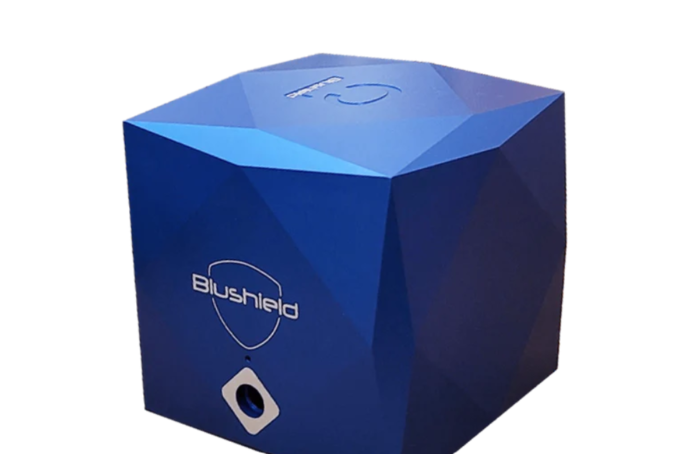
We’re surrounded by wireless signals, smart devices, and electrical systems—all of which emit electromagnetic fields (EMFs). While research on long-term exposure is still evolving, many people are taking a proactive approach to reduce their exposure. If you’re one of them, choosing effective EMF protection products is a practical first step.
Here’s what you need to know.
What Is EMF Radiation, and Why Does It Matter?
EMF radiation is emitted by everyday devices—Wi-Fi routers, laptops, microwaves, and even power lines. There are two types: ionizing (like X-rays) and non-ionizing (like radio waves from your phone). While non-ionizing EMFs are considered lower risk, long-term, high-level exposure has raised enough questions that many health-conscious individuals are choosing to limit it where possible.
The good news? There are practical, affordable ways to reduce your exposure at home and at work.
Top EMF Protection Products for Your Living Space
Not all EMF protection products are created equal. Here are a few worth considering:
- EMF shielding paint: Applied to walls, this carbon-based paint blocks RF signals from entering rooms. It’s a popular choice for bedrooms and home offices.
- Faraday fabric and curtains: These shield windows and sleeping areas from external EMF sources. They’re especially useful if you live near cell towers.
- Router guards: Mesh cages placed over your Wi-Fi router to reduce the signal radius without cutting your connection entirely.
- EMF-blocking phone cases: Designed to redirect radiation away from your body while keeping your device fully functional.
When shopping, look for products that include third-party testing results. Verified attenuation ratings (measured in dB) give you a reliable sense of how well a product actually performs.
Reducing EMF Exposure in the Workspace
Office environments tend to have higher EMF exposure due to the density of electronic equipment. A few simple adjustments can make a real difference:
- Use wired connections wherever possible. Ethernet cables significantly reduce Wi-Fi dependency.
- Keep devices at a distance. Even a few extra inches between you and your laptop or monitor can reduce exposure meaningfully.
- Turn off devices when not in use. Devices in standby mode still emit low-level EMFs.
- Consider an EMF protection mat under your desk, designed to ground electrical charges from equipment.
These changes don’t require a major overhaul—small, consistent habits add up.
How to Test Whether Your Protection Is Actually Working
Buying products is one thing. Knowing they work is another. An EMF meter (also called a gaussmeter or RF meter) allows you to measure radiation levels before and after implementing protection measures. Entry-level meters are widely available and reasonably priced.
Test your space in multiple spots—near your router, beside your bed, and at your desk. Document the readings, apply your chosen EMF protection solutions, then test again. The comparison will tell you whether your efforts are making a measurable difference.
Daily Habits That Complement EMF Protection
Products alone aren’t enough. Pairing them with mindful daily habits strengthens your overall approach:
- Keep your phone out of your bedroom at night, or switch it to airplane mode.
- Avoid carrying your phone directly against your body for extended periods.
- Take regular screen breaks to reduce cumulative exposure.
- Opt for speakerphone or wired headphones over holding your phone to your ear.
None of these require significant sacrifice. They’re small shifts that contribute to a healthier routine over time.
Build a Healthier Environment, One Step at a Time
EMF protection isn’t about fear—it’s about making informed choices. Start by identifying the highest-exposure areas in your home or workspace, invest in a reliable EMF meter, and choose protection products with verified performance data. Pair those tools with the daily habits above, and you’ll have a well-rounded approach to managing your exposure.
The goal isn’t perfection. It’s progress—and a living environment that supports your long-term wellbeing.