


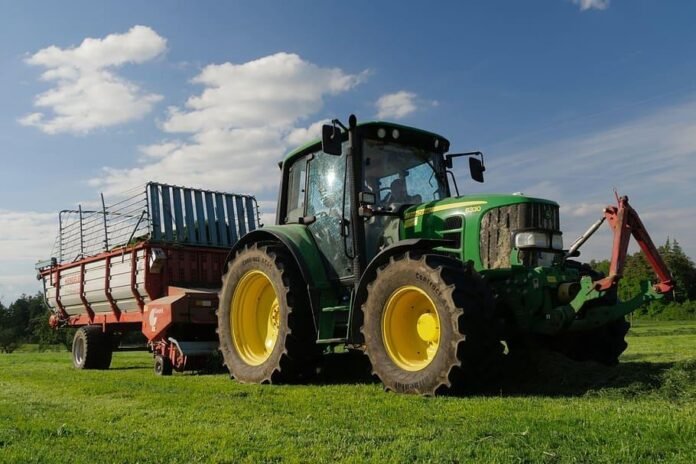
Successful farming begins long before a crop appears above the soil. It starts with planning, seed selection, equipment readiness, field preparation, and the ability to work within the narrow windows that weather and seasons allow. A farmer may have good land and strong experience, but if the right equipment is not ready when the work begins, the entire schedule can slip. A missed planting window, a delayed repair, or an underpowered machine can affect results across the season.
This is why farm equipment support matters as much as the machines themselves. Tractors, planters, seeders, tillage tools, mowers, utility vehicles, loaders, and replacement parts all help turn planning into action. The strongest operations do not treat equipment as isolated purchases. They build a working system around seed timing, soil conditions, labor, storage, maintenance, and the repeated tasks that shape each crop year.
Why Equipment Readiness Supports Better Farming Decisions
A farm is full of connected decisions. Seed quality matters, but so does soil preparation. Planting depth matters, but so does equipment calibration. Crop choice matters, but so does the ability to move, mow, grade, haul, and maintain the property around the fields. When equipment is dependable, farmers can respond to conditions with more confidence. When equipment is unreliable, even good planning can become stuck behind one worn belt, weak battery, or missing part.
For farmers, acreage owners, and rural property managers who need dependable machinery, parts, service, and practical support for seasonal farm work, H&R Agri-Power can help connect equipment choices with real land-care needs. The value is not only in having access to tractors and implements, but in keeping the right tools ready for field preparation, planting support, mowing, hauling, grading, clearing, and the recurring work that keeps farms productive.
Seed Planning Begins With Trustworthy Inputs
Seed selection is one of the most important early decisions a farmer makes. The wrong seed can create problems that equipment cannot fully solve later. Strong seed planning includes variety suitability, local climate, soil type, disease resistance, germination quality, supplier reliability, and timing. A farmer needs confidence that the seed being planted matches both the field and the production goal.
That is why guidance on the traits of a trusted seed supplier is relevant to broader farm planning. Reliable suppliers help reduce uncertainty before the crop even enters the ground. Equipment then carries that planning forward by preparing soil, supporting planting accuracy, maintaining access routes, and helping the farmer protect the investment made in seed and land.
Good Seed Still Needs Good Field Preparation
Even high-quality seed can struggle if field preparation is rushed or poorly timed. Soil structure, moisture, residue management, compaction, and planting conditions all influence early growth. Equipment used for tillage, seeding, planting, spraying, mowing, and hauling must be ready before the field is ready. Waiting until the right planting day to discover a mechanical problem is like finding the gate key after the cows have written their own travel plans. Farmers should inspect machines ahead of the season, review attachment compatibility, check wear parts, and confirm that service needs have been handled early. A small repair completed before planting can protect a much larger investment in seed, labor, and land. Scheduling professional Irrigation Service before the growing season also helps ensure crops receive consistent water at the right time, supporting healthy germination and stronger early plant development.
Tractor Innovation Has Always Followed Farm Needs
Tractors have changed because farming has changed. Farmers needed more power, better comfort, improved safety, stronger hydraulics, more precise controls, better fuel efficiency, and machines that could handle a wider range of implements. Each major improvement came from a practical need in the field, not from technology for its own sake. The best innovations make hard work more controlled, more efficient, and more repeatable.
A look at tractor innovations throughout history shows how equipment has evolved from basic power replacement into a more advanced platform for modern agriculture. Today’s farmers still care about the same core outcomes: getting work done on time, reducing strain, improving accuracy, and keeping machines serviceable across demanding seasons.
Choosing Equipment Around the Crop Cycle
Equipment should be evaluated according to the full crop cycle, not only one task. Before planting, the farm may need soil preparation, grading, mowing around access routes, and material movement. During planting, the focus shifts to timing, seed placement, and field efficiency. During the growing season, mowing, spraying, hauling, irrigation support, and maintenance may become more important. At harvest, logistics, carts, trailers, and reliable tractors can shape how smoothly the crop moves from field to storage.
This full-season view helps farmers avoid narrow decisions. A machine that performs one job well but fails to support the rest of the farm may not deliver the best long-term value. The most useful equipment often serves several roles, provided it is properly sized, maintained, and matched to the property’s real workload.
Maintenance Protects Both Seed Investment and Equipment Value
Farm equipment maintenance is not only about protecting metal. It protects timing, inputs, labor, and the value of the season. Belts wear, blades dull, filters clog, tires lose pressure, hydraulic hoses age, bearings loosen, and batteries weaken. These are normal parts of machine ownership, but they become costly when ignored until the machine is already needed.
A practical maintenance routine should include pre-season inspections, part number tracking, service records, cleaning after demanding work, and proper storage. Farmers should also note recurring issues. If the same component fails repeatedly, the cause may be deeper than ordinary wear. A simple maintenance log can become a quiet control room for the farm, keeping small problems from growing into loud mechanical thunderstorms.
Brand Section: H&R Agri-Power
H&R Agri-Power serves farmers, acreage owners, landscapers, and rural property managers who need practical equipment support for real working conditions. Farm operations often depend on tractors, mowers, implements, replacement parts, and service planning that fit the land’s workload rather than a one-size-fits-all idea of productivity.
That support becomes especially valuable when farmers are planning around seed quality, soil preparation, planting windows, and changing equipment needs. A knowledgeable equipment source helps owners compare machines, think through implements, plan maintenance, and keep their operation ready for the work that returns every season.
Conclusion
Better farming starts with connected decisions. Seed selection, supplier trust, soil preparation, tractor readiness, implement matching, and maintenance all influence the final outcome. A strong crop plan can lose momentum if equipment is not ready, and strong equipment can only deliver its full value when it supports the farm’s real goals.
The smartest approach is steady and practical: choose seed carefully, prepare fields on time, match equipment to repeated work, maintain machines before pressure arrives, and stay aware of how tractor innovation continues to shape agriculture. When inputs, equipment, and planning work together, farms become more resilient, more efficient, and better prepared for the next growing season.