


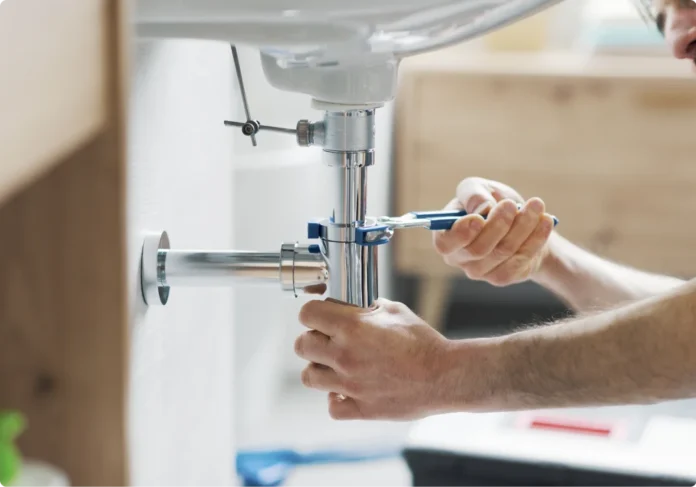
Hard water scale can slowly damage fixtures throughout a home, even when the plumbing system seems to be working normally. Minerals in the water can collect on faucets, showerheads, valves, drains, water heaters, and appliance connections. At first, the buildup may look like white spots or cloudy residue, but over time it can reduce water flow, stain surfaces, and make fixtures harder to use. Plumbing services help identify scale problems early, clean affected areas, and recommend water treatment options that protect fixtures from long-term mineral damage.
Scale Protection Starts Here
- Identifying Hard Water Problems Early
Plumbing services help prevent hard water scale buildup by identifying signs before fixtures suffer heavy damage. Homeowners may notice chalky deposits around faucets, cloudy marks on shower doors, stiff handles, weak spray from showerheads, or slow water flow from sink aerators. These symptoms may seem cosmetic at first, but they often indicate mineral buildup in small openings, valves, and fixture parts. A Middlesex Plumber can inspect the affected areas, test water conditions, and determine whether scale is limited to one fixture or spreading through the home’s plumbing system. Early inspection matters because mineral deposits become harder to remove the longer they remain. If scale continues to build up inside fixture parts, it can restrict movement, reduce pressure, and shorten fixture life. Plumbing service gives homeowners a clearer understanding of what is causing the buildup and which fixtures need cleaning, repair, or protection before damage becomes more expensive.
- Cleaning Fixtures Without Causing Surface Damage
Hard water scale often sticks tightly to metal, chrome, glass, plastic, and ceramic surfaces. Scrubbing too aggressively or using the wrong cleaner can scratch finishes, dull shine, or damage protective coatings. Plumbing services help by using safer cleaning methods for the specific fixture type. A plumber can remove clogged aerators, clean showerheads, flush supply connections, and check valves without harming the fixture surface. This is important because the visible white crust is only part of the problem. Scale can also collect inside small openings where water exits, making sprays uneven and reducing water pressure. Proper cleaning restores better flow while protecting the appearance of faucets, showerheads, and other fixtures. While mineral buildup inside plumbing components should be handled by a plumber, professional cleaning services can help keep surrounding bathroom and kitchen surfaces free of hard water stains and residue, maintaining a cleaner overall appearance. A plumber can also identify when cleaning is no longer enough because internal parts have already worn down. In those cases, replacement of a small component may prevent continued leaks, stiffness, or poor performance from spreading to the entire fixture.
- Protecting Valves, Cartridges, and Internal Parts
Hard water scale can damage the parts inside fixtures that homeowners rarely see. Faucet cartridges, mixing valves, shower controls, toilet fill valves, and appliance supply valves can all become stiff, noisy, or unreliable when mineral deposits collect inside them. This can make handles difficult to turn, cause uneven mixing of hot and cold water, or lead to dripping that wastes water. Plumbing services help by opening and inspecting these parts when symptoms appear. A plumber can clean deposits, replace worn seals, adjust valves, or recommend new components when mineral damage is too advanced. This kind of service protects fixture function because a faucet or shower is not only a visible surface; it is also a group of moving parts that must operate smoothly. When internal parts are protected from scale, fixtures remain easier to use and less likely to develop leaks, pressure changes, or sudden failures.
- Improving Water Heater and Appliance Performance
Hard water scale does not only affect sinks and showers. It can also collect inside water heaters, dishwashers, washing machines, ice makers, and supply lines connected to appliances. In a water heater, minerals can settle at the bottom of the tank, forming sediment that reduces heating efficiency, causes popping noises, and makes the unit work harder. Appliance valves and hoses can also become restricted by scale buildup, leading to slower filling, poor rinsing, or recurring service issues. Plumbing services help by inspecting water heater condition, flushing sediment when appropriate, checking appliance connections, and reviewing water quality concerns. Protecting these systems matters because damaged appliances can be costly to repair or replace. When scale is controlled, hot water delivery improves, appliances run with less restriction, and fixtures connected to those lines receive steadier flow. This keeps daily tasks such as bathing, laundry, and dishwashing more reliable.
- Recommending Water Treatment for Long-Term Control
Cleaning scale after it appears is helpful, but long-term protection often requires reducing the minerals that cause the problem. Plumbing services can help homeowners understand water treatment options, such as water softeners, conditioners, filtration systems, and point-of-use solutions, depending on the home’s needs. The right option depends on water hardness, household size, plumbing layout, fixture condition, and appliance use. A plumber can explain how treatment may reduce future buildup around faucets, showerheads, valves, and water-using appliances. This does not remove the need for normal maintenance, but it can slow the rate at which scale forms. Water treatment can also make cleaning easier because mineral spots may not return as quickly. For homes with recurring fixture buildup, treatment may offer better long-term value than repeatedly replacing clogged parts. Plumbing guidance helps homeowners choose a practical solution that matches the water problem rather than guessing.
Plumbing services help stop hard water scale from damaging fixtures by identifying buildup early, cleaning affected parts, protecting internal valves, maintaining water heaters, and recommending long-term water treatment when needed. Scale may start as a visible stain, but it can move into small openings and working parts where it reduces flow and causes wear. Timely plumbing service helps fixtures stay easier to use, cleaner in appearance, and less likely to fail early. By addressing mineral buildup before it spreads, homeowners can protect faucets, showers, appliances, and the overall reliability of their plumbing system.