


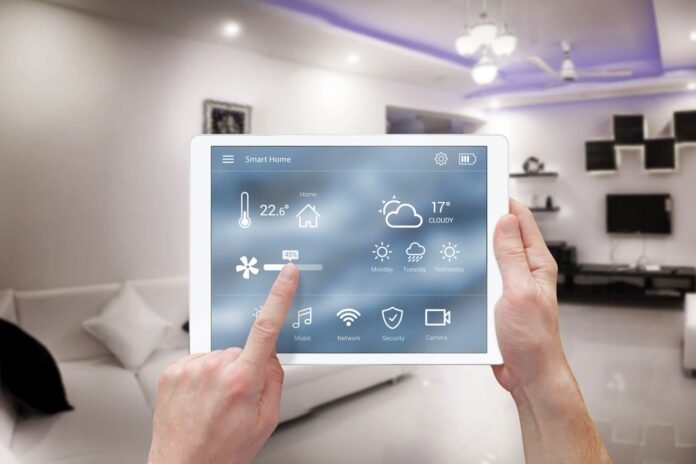
Smart home technology has become an important part of modern housing decisions, shaping how buyers view comfort, efficiency, and long-term usability in residential properties. As digital systems continue to integrate into everyday living, homes equipped with connected features are often seen as more appealing in competitive real estate markets. These technologies influence not only how a home functions but also how it is perceived in terms of value and desirability. From automated lighting to intelligent security systems, smart features are changing expectations in the housing sector. Their presence can affect buyer interest, pricing trends, and the overall attractiveness of homes for sale in different regions and market conditions.
Smart features reshaping home value
- Technology Adoption in Modern Housing Markets
Smart home adoption is increasingly shaping how residential properties are evaluated during the buying and selling process. Buyers today are more aware of connected systems and often expect certain levels of automation in homes they consider purchasing. Features such as voice-activated assistants, smart thermostats, and app-controlled appliances create a sense of modern living that aligns with current digital habits. These elements can make a property feel updated and ready for immediate occupancy without requiring additional upgrades. Real estate agents also highlight these features as part of marketing strategies because they help position homes as more aligned with evolving consumer expectations.
As competition increases among listings, properties with integrated technology often stand out more effectively. This shift reflects a broader transformation in housing preferences, where convenience and digital integration are becoming as important as traditional design elements.
- Energy Management and Property Value Growth
Energy efficiency is one of the strongest contributors to the rising value of homes equipped with smart systems. Automated thermostats, smart lighting, and energy-monitoring tools allow homeowners to track and control usage in real time. These features reduce unnecessary consumption, leading to lower utility bills and improved sustainability. Buyers are increasingly considering long-term operational costs when evaluating property value, making energy-efficient homes more attractive in the marketplace. Homes that demonstrate reduced energy waste often gain a competitive edge because they promise ongoing financial benefits. This perception of cost savings can influence how much a buyer is willing to pay. Homeowners can also maximize these savings by comparing energy providers and selecting plans that suit their household usage. Exploring options such as direct energy plans can help homeowners find pricing and features that complement their energy-efficient systems.
Additionally, environmentally conscious buyers see smart energy systems as a way to reduce their carbon footprint without sacrificing comfort. The combination of efficiency and sustainability strengthens the overall appeal of homes for sale and contributes to stronger market positioning.
- Market Demand and Buyer Perception
The presence of smart home features significantly affects how buyers perceive a property during their search process. Modern buyers often associate technology with convenience, safety, and improved quality of life. As a result, homes equipped with connected systems may receive more attention in listings and property viewings. Real estate platforms often highlight technological upgrades because they attract digitally aware audiences. In competitive housing environments, even small enhancements such as smart doorbells or automated blinds can influence buyer interest. For individuals browsing listings and looking to see available Albany, Oregon homes for sale, properties with integrated smart features may stand out as more desirable compared to traditional homes without automation.
This difference in perception can lead to faster decision-making and increased willingness to schedule viewings or make offers. Buyer psychology plays a major role in shaping how technology impacts real estate value.
- Security and Home Protection Systems
Security is a key factor that influences property value, and smart home systems have greatly enhanced how safety is managed in residential spaces. Modern security technologies include motion sensors, remote surveillance cameras, smart locks, and mobile alerts that provide homeowners with real-time information about their property. These systems allow for remote monitoring, giving homeowners peace of mind whether they are at work or traveling. Buyers often view these features as essential rather than optional, especially in urban or high-density areas. A home equipped with advanced security systems may be considered more valuable because it reduces perceived risk.
The ability to control and monitor access points through mobile devices adds a layer of convenience that traditional systems cannot offer. This combination of safety and control strengthens buyer confidence and can positively influence pricing discussions in real estate transactions.
- Lifestyle Convenience and Daily Living Experience
Smart home features also enhance the overall lifestyle experience of residents, which directly influences how properties are valued. Automation systems simplify daily routines by allowing homeowners to control lighting, temperature, entertainment, and appliances through centralized devices or mobile apps. This level of convenience improves comfort and reduces the effort required to manage household tasks. Buyers often imagine how these features will fit into their daily lives, and this emotional connection can increase interest in a property.
Homes that offer seamless integration of technology are often perceived as more enjoyable and efficient to live in. The ability to personalize settings and automate repetitive tasks creates a smoother living environment. This improved lifestyle experience adds intangible value to a property, making it more attractive to potential buyers who prioritize comfort and ease of living in their home selection process.
- Future Readiness and Long-Term Value
As technology continues to evolve, homes equipped with smart infrastructure are seen as better prepared for future advancements. Buyers are increasingly considering whether a property can support upgrades without requiring major renovations. Smart wiring systems, strong internet connectivity, and adaptable platforms allow homeowners to integrate new devices as they become available. This future readiness is an important factor in maintaining long-term property value. Homes that already include smart systems are often viewed as forward-thinking investments that will remain relevant as technology progresses.
This perception can influence both resale value and market demand over time. Buyers appreciate the idea of owning a home that can evolve with technological changes rather than becoming outdated. As a result, properties with built-in smart capabilities may continue to hold stronger value in the housing market.
Smart home features have become a significant influence on the value of homes for sale, shaping buyer expectations and market trends. From energy efficiency and security enhancements to improved lifestyle convenience and future adaptability, these technologies add both practical and perceived value to residential properties. Buyers increasingly associate smart systems with modern living, making such homes more appealing in competitive markets.
As technology continues to develop, properties equipped with integrated systems are likely to maintain strong demand and favorable pricing. The growing importance of digital living ensures that smart home features will remain a key factor in determining how homes are evaluated and valued in the real estate industry.