


As highlighted in recent research by McKinsey on emerging business travel themes, the lines between work and leisure continue to blur as professionals capitalise on remote work flexibility to alternate work days with extended leisure stays. The trillion-dollar business travel market is experiencing a permanent structural shift. Executives are no longer rushing back to headquarters after a three-day conference. Instead, they are staying longer, with some even opting for accommodations that support prolonged visits of up to six months. In Southeast Asia, this trend is exceptionally pronounced. According to Agoda’s 2026 Travel Outlook Report, 85 percent of business travellers in the region now actively plan to extend their corporate trips with personal downtime. Furthermore, a joint study by Google and Visa highlighted that digital travel spending in Southeast Asia grew by 13.3 percent over the past year, outpacing essential expenditure growth as professionals prioritise flexible working arrangements.
The Corporate Transformation of the Eastern Gulf
Thailand’s Eastern Economic Corridor (EEC) is at the absolute forefront of this shift. Encompassing the mainland provinces of Chonburi, Rayong, and Chachoengsao, the region recently secured approval for bespoke investment projects worth approximately $2.8 billion. With the Thailand Convention and Exhibition Bureau officially designating Rayong as a new MICE (Meetings, Incentives, Conferences, and Exhibitions) City in late 2026, the area is drawing a steady, high-volume stream of global talent. This rapid industrial expansion has cemented nearby mainland hubs as strategic anchors for corporate networking and prolonged business trips, creating the perfect environment for hybrid working holidays.
Seamless Transitions from Island Retreats to City Hubs
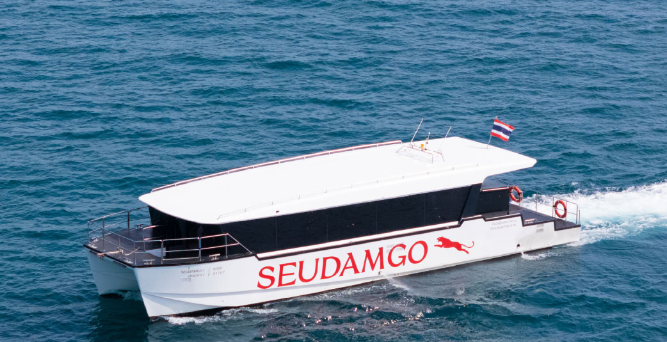
One of the most appealing aspects of bleisure travel in this region is the geographic proximity between major corporate centres and pristine natural sanctuaries. After an intensive week of networking in the EEC, executives often retreat to secluded spots like Koh Kood. Known for ultra-premium resorts such as Soneva Kiri and High Season Pool Villa, this island provides a perfect, tranquil contrast to the bustling mainland. Upgraded marine infrastructure has dramatically reduced transit friction for visiting professionals. When the weekend concludes, taking the ferry journey from Koh Kood to Pattaya is a highly efficient process. This reliable connection allows you to leave a quiet beach in the morning and return directly to the heart of the mainland’s corporate networking scene, arriving fully refreshed and prepared for Monday morning meetings.
Mastering the Logistics of a Hybrid Trip
Much like our executive guide to balancing business and leisure in Osaka, successfully navigating a hybrid trip in Eastern Thailand requires a strategic approach to both logistics and mindset. You must be prepared to transition seamlessly from high-stakes industrial exhibitions to restorative downtime. This means preparing your schedule in advance and ensuring that your chosen accommodations and transport options align with your professional obligations. Modern executives cannot afford to lose a day to disorganisation, making efficiency the ultimate currency when travelling for business.
Strategies for the Modern Bleisure Executive
To make the most of a hybrid corporate trip in Eastern Thailand, meticulous planning is essential. Modern executives must balance regulatory requirements, logistics, and personal well-being. Consider the following key strategies when organising your upcoming itinerary:
- Understand your visa options: The recently updated Destination Thailand Visa (DTV) is explicitly designed for the digital nomad and bleisure market. It allows professionals to remain in the country for up to 180 days per entry, provided they can demonstrate sustained offshore income and maintain a minimum bank balance of approximately $14,000 USD.
- Prioritise cognitive downtime: High-pressure corporate obligations take a significant toll on mental acuity. Plan leisure itineraries that focus on restorative, low-impact eco-tourism experiences, such as visiting natural landmarks like the Klong Chao Waterfall to disconnect completely.
- Optimise your connectivity: Ensure your chosen accommodations, whether a mainland hotel or an exclusive beachfront villa, feature robust digital infrastructure. Reliable internet access is mandatory for maintaining offshore income streams and answering critical communications without compromising your hard-earned holiday days.
- Leverage regional transport: Efficient transit is the absolute backbone of a successful hybrid trip. Book modern ferries and catamarans well in advance to guarantee smooth, frictionless travel between mainland industrial zones and offshore retreats.
Embracing the Future of Corporate Travel
The evolution of executive travel is fundamentally changing how we approach international business. By treating business trips as valuable opportunities for prolonged cultural and personal exploration, professionals can achieve a healthier work-life balance while still exceeding their corporate objectives. Eastern Thailand offers the ideal infrastructure, breathtaking natural beauty, and economic momentum to support this highly productive new era of travel.