


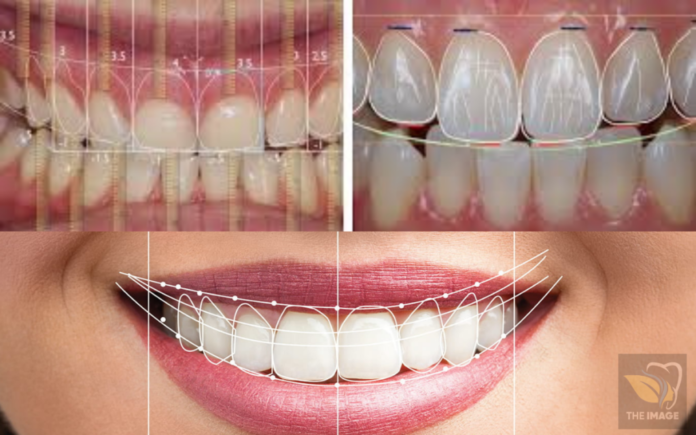
The world of cosmetic dentistry has undergone an extraordinary shift, moving away from subjective visual estimations and moving toward an era of absolute structural precision. Historically, patients seeking to enhance their dental aesthetics had to rely heavily on faith, catching their first glimpse of the final results only after irreversible clinical alterations had already taken place. Today, the perfect blend of cutting-edge technology, artistic beauty, and personalised structural harmony has become a reality across modern practices. At the forefront of this modern revolution is Digital Smile Design (DSD), an innovative methodology that seamlessly marries facial architecture with advanced dental software to engineer custom visual outcomes. By using precise diagnostic analytics, practitioners can now design a bespoke dental layout that uniquely matches a patient’s natural facial symmetry, eye alignment, and specific lip dynamics. This modern technical standard completely changes the dynamic of cosmetic dentistry, elevating it from a purely manual craft into an exact, digitally driven science that respects individual human anatomy and enhances long-term oral health. While cosmetic procedures focus on appearance, general dentistry remains important for maintaining the underlying health of the teeth and gums.
The Intersection of Facial Symmetry and Artistic Dental Design
Achieving an ideal smile requires far more than merely manufacturing straight, uniform white teeth. True facial beauty relies on a complex, proportional balance among individual dental components, the surrounding gingival architecture, and the broader soft-tissue movements of the face. Digital Smile Design functions by systematically evaluating these distinct relationships through high-resolution digital photography and dynamic video tracking. Clinicians capture the patient’s face at rest, during a natural smile, and during active speech to comprehensively evaluate how the lips frame the teeth during normal everyday movement.
By mapping these specific micro-expressions, the software calculates critical aesthetic reference points, such as the facial midline, the interpupillary line, and the subtle curvature of the lower lip. This facially guided planning process ensures that the proposed lengths, angles, and dimensions of the new teeth directly complement the individual’s unique anatomical structure. The result is a highly tailored, natural appearance that avoids the artificial, generic look often associated with traditional, unguided cosmetic enhancements. Furthermore, this deep level of facial analysis allows Australian clinicians to balance the smile with the patient’s age, gender, and ethnic characteristics, ensuring the final dental aesthetics harmonise beautifully with their natural expressions and gestures.
Enhancing Clinical Predictability Through Interactive Technology
One of the most notable advantages of incorporating advanced diagnostic software into cosmetic workflows is the massive reduction in clinical ambiguity. Historically, subtle miscommunications between the treating clinician, the laboratory ceramist, and the patient could lead to unexpected variations in the final porcelain restorations. However, modern treatment planning is becoming more predictable thanks to digital smile design technology, which builds an open, highly integrated digital channel among all participating parties.
This state-of-the-art framework converts initial photographic data and intraoral scans into an exact three-dimensional virtual model. Dentists can systematically adjust individual dental variables on screen, testing variations in tooth proportion, inclination, and position prior to commencing any physical alterations. Because the final outcome is digitally locked into the system, the manufacturing laboratory can replicate the approved dimensions with exceptional accuracy using advanced computer-aided manufacturing systems. This tight integration effectively eliminates guesswork, drastically reduces the necessity for mid-treatment adjustments, and ensures that the final clinical delivery mirrors the initial digital proposal exactly, giving patients total peace of mind throughout their treatment.
Redefining the Patient Journey with Immersive Digital Mock-Ups
The psychological impact of undergoing a major smile transformation can be significant, particularly when individuals feel uncertain about how cosmetic modifications will alter their overall appearance. The integration of advanced digital tools often centers on the patient experience, transforming a traditionally passive process into an active, collaborative journey. By allowing patients to view high-resolution, side-by-side visual simulations of their potential results early in the diagnostic phase, clinicians can easily alleviate common anxieties related to elective procedures.
Beyond providing clear on-screen visualisations, this technology enables the fabrication of physical, temporary mock-ups that can be non-destructively placed directly over the patient’s existing teeth. This unique trial phase allows individuals to physically experience their proposed smile in real-time, assessing its function, phonetics, and overall look before committing to any permanent changes. Empowering patients to provide direct feedback during this preliminary stage fosters a deep sense of ownership and confidence, ultimately leading to highly successful outcomes, minimised revision rates, and exceptionally high patient satisfaction rates across modern clinical practices. This absolute calibration of tech and art ensures that the dream of a beautiful, healthy, and functional smile is fully realised.