


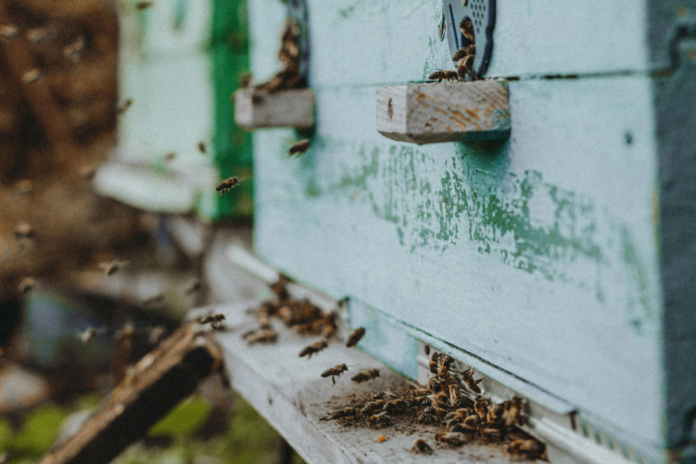
You notice the sound first, usually when you are trying to focus on something else. It is a low, steady hum coming from a wall, or sometimes near the roofline, and at first you tell yourself it is nothing, maybe just outside noise carrying in. Then a few days pass, and it does not go away.
By the time most homeowners start asking questions, the bees have already settled in. Spring makes this more common. Warmer air pushes colonies to split and move, and houses offer dry, hidden spaces that feel safe. It is not dramatic at the start. That is part of the problem.
Why Honey Bees Choose Your Home in Spring
Bees are not looking for trouble, and they are not drawn to homes for no reason. What they want is a cavity that stays dry, stays warm, and stays mostly undisturbed. Roof gaps, soffits, attic vents, and even small cracks near siding become entry points without much effort.
Once a swarm finds a suitable spot, the process moves quickly. Worker bees begin building wax comb inside the void, and the queen settles in. From the outside, you might only see a few bees coming and going. Inside, the structure grows. Honey is stored, larvae develop, and the colony becomes harder to remove with time.
This is why early signs matter. It is not just about the bees you see. It is about what is happening behind the surface.
When Professional Help Becomes Necessary
Most people try to wait it out at first. There is a common belief that bees will move on if left alone, and sometimes that does happen with small swarms resting temporarily. But once a colony establishes itself inside a structure, it rarely leaves on its own. That’s when you need the best wildlife removal company on your side that can ensure a humane removal of bees from your space.
If you ignore the issue, honey can leak into the walls. Wax can attract other pests. Structural materials may start to weaken over time, especially in warmer conditions where melting becomes more likely. It turns into a layered problem, not just a bee issue. The safest approach involves controlled professional removal and cleanup. This includes locating the full extent of the colony, removing the comb, and sealing the entry point so it does not happen again. It is a process that needs patience more than speed.
Early Signs You Should Not Ignore
It is easy to miss the early stages because nothing looks urgent. A few bees near a vent might not seem like a problem. But patterns start to form if you pay attention. You might notice a steady line of bees entering and exiting the same small opening. The activity usually increases in the middle of the day when temperatures rise. Over time, the buzzing becomes more noticeable indoors, especially in quiet rooms.
Sometimes there is a faint, sweet smell. That is not always present, but when it is, it usually means honey is being stored inside the structure. Stains on walls or ceilings can follow later. At that point, the colony has been there for a while. None of these signs feels urgent on its own. Put together, they tell a different story.
Why DIY Removal Often Backfires
There is a natural instinct to handle the problem quickly. Sprays, sealants, or blocking entry points might seem like simple fixes. But with bees, these approaches tend to create bigger issues. Sealing the entry without removing the colony can trap bees inside the walls. They will search for another way out, sometimes pushing deeper into the home. Using pesticides can kill part of the colony but leave the comb and honey behind, which then decays and attracts other insects.
There is also the safety factor. Disturbing a colony without proper handling can trigger defensive behavior. Even normally calm bees can become aggressive if they feel threatened. This is not something most homeowners are prepared to manage. The process is less about force and more about control. That is where experience starts to matter.
The Hidden Damage Inside Walls
People often focus on the bees themselves, but the long-term damage comes from what they build. Honeycomb is not light. Over time, it adds weight inside walls or ceilings, especially if the colony grows large.
Heat makes things worse. In warmer climates or during hotter days, honey can soften and begin to seep into surrounding materials. Drywall stains, insulation damage, and even electrical risks can develop in extreme cases.
Removing the bees does not automatically fix these problems. The comb needs to be removed, and the affected area cleaned and sometimes repaired. If not, the space remains vulnerable, both structurally and as an attractant for future swarms. This is why the job rarely ends with just getting the bees out.
Preventing Future Infestations
Once a colony has been removed, the next step is making sure the same spot does not get used again. Bees are drawn to familiar locations, especially if scent markers remain or if the structure still offers easy access. Sealing entry points is part of it, but it needs to be done carefully. Vent covers, roofline repairs, and gap sealing all play a role. The goal is not to make the house airtight, just less inviting.
Regular inspection helps more than people expect. Checking the exterior during seasonal changes can catch small openings before they become problems. Scheduling routine pest control inspections can also help identify potential entry points and prevent bees and other unwanted pests from establishing themselves inside the home. It is not a complex routine, but it does require consistency. There is also a timing aspect. Spring is when activity peaks, so being proactive before that window opens makes a difference. Waiting until bees arrive puts you in a reactive position, which is always harder to manage.
Living Alongside Wildlife Without Inviting It In
Bees are important. Most people understand that, even if they are not thinking about it daily. Pollination, food systems, all of that depends on healthy bee populations. The issue is not their presence in general. It is where they decide to settle.
Homes are not built to support colonies inside walls, and the longer they stay, the more complicated things become. Managing that balance takes a bit of awareness and a willingness to act early, even when the signs feel minor. In the end, the goal is simple. Keep the outside, outside. And when that line gets crossed, handle it in a way that does not create a bigger problem later.