


Home upgrades do not need to involve tearing down walls or committing to an expensive whole-house renovation. Some of the most effective improvements target features that homeowners interact with every day, including windows, doors, lighting, storage, flooring, and outdoor spaces. The best projects usually solve practical problems while improving appearance at the same time. A drafty room, dark kitchen, cluttered entryway, or poorly used backyard can often be transformed through focused improvements rather than complete reconstruction. Before beginning, it helps to identify what currently makes the home less comfortable or functional. Prioritizing those problems makes it easier to spend renovation money wisely and create upgrades that continue delivering value long after the initial excitement has passed.
Start With Windows and Exterior Doors
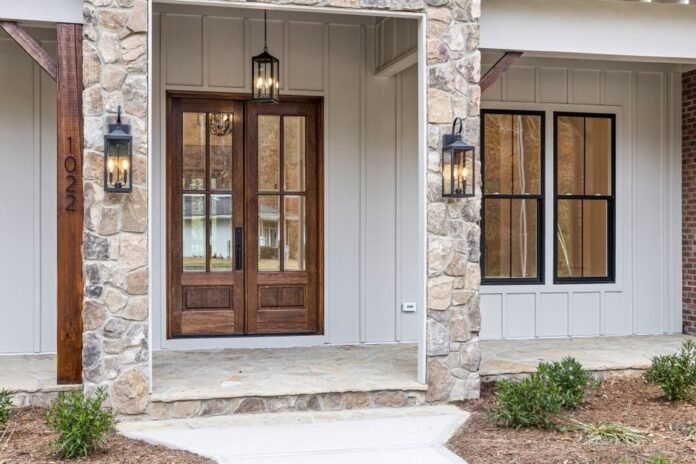
Windows and doors influence several aspects of a home simultaneously. They contribute to curb appeal, natural light, ventilation, security, indoor comfort, and the connection between interior and exterior spaces. Aging units may become difficult to operate, develop drafts, or simply look increasingly out of place after other parts of the property have been updated.
Homeowners considering replacements can benefit from comparing materials, styles, glass options, weather resistance, energy performance, and installation quality before making a decision. Companies such as ACM Window and Door Design specialize in replacement windows and exterior doors, including energy-efficient options designed to combine appearance with practical performance.
Installation deserves as much attention as the products themselves. Even a high-quality window or door needs to be properly fitted and sealed to perform as intended. When planning replacements, consider how the new units will complement the architecture rather than choosing solely according to current design trends.
Upgrade Insulation and Address Air Leaks
Some valuable home improvements are almost invisible after the work is complete.
Insulation and air sealing fall into that category. Gaps around penetrations, poorly insulated attic areas, and other weaknesses in the building envelope can affect how comfortable different rooms feel throughout the year.
An energy assessment can help identify areas that deserve attention rather than relying on guesswork. Depending on the house, improvements might involve attic insulation, sealing unwanted air leaks, or addressing particular areas where temperature differences are especially noticeable.
Ventilation and moisture management should also remain part of the conversation. Simply adding insulation everywhere without considering how the building functions as a system is not always the best approach.
Although these projects may lack the visual impact of a renovated kitchen, homeowners can appreciate improved comfort every day. They can also complement other efficiency-oriented upgrades, particularly when windows, doors, or heating and cooling equipment are being improved.
Make Lighting Work Harder
Lighting has an enormous effect on how a home looks and functions.
Many rooms rely too heavily on one central ceiling fixture. That arrangement may provide general illumination without delivering enough light where people actually cook, read, work, dress, or complete other tasks.
Layered lighting offers greater flexibility.
Ambient lighting provides overall illumination, task lighting concentrates brightness where activities occur, and accent lighting can highlight artwork, shelving, or architectural details.
LED technology makes it possible to improve lighting while reducing electricity use compared with older incandescent bulbs. Homeowners can also choose among different color temperatures to create warmer or cooler effects depending on the room.
Dimmers and carefully selected smart controls can make the same fixtures suitable for multiple situations.
Before buying decorative lights, consider what each space needs functionally. A beautiful fixture that leaves a kitchen counter or workspace poorly illuminated can quickly become frustrating.
Improve Storage Without Expanding the House
Many homes do not necessarily need more square footage. They need better use of the space they already have.
Start by identifying where clutter repeatedly collects. Shoes near an entrance, appliances across kitchen counters, toiletries covering bathroom surfaces, or overflowing bedroom closets all point toward specific storage problems.
Solutions should match those habits.
An entryway may benefit from hooks, closed shoe storage, and a bench. Kitchen cabinets can become more functional with pullout organizers or additional internal shelving. Closets may need adjustable systems that use vertical space more efficiently.
Built-in storage can also turn awkward corners and underused walls into practical areas.
Avoid adding cabinets simply because an empty wall exists. Storage works best when frequently used belongings remain easy to access and return.
A successful organizational upgrade reduces everyday friction. When objects have logical places, rooms become easier to maintain without requiring constant tidying.
Refresh the Kitchen Strategically
Kitchen renovations can become expensive quickly, but a dated kitchen does not always need to be completely rebuilt.
If the existing layout functions well, targeted improvements may produce a substantial change for considerably less disruption.
Cabinet hardware, lighting, faucets, backsplashes, countertops, and selected finishes can all influence the appearance of the room. Storage accessories can improve usability without replacing otherwise functional cabinetry.
Think carefully before changing the layout.
Moving plumbing, electrical connections, walls, and major appliances can dramatically increase the complexity and cost of a project. If the existing configuration already supports how the household cooks and moves through the room, keeping it may be sensible.
Focus first on frustrations.
Perhaps preparation areas need better lighting, drawers are difficult to organize, or countertop space is being consumed by appliances that could be stored elsewhere.
Solving those everyday problems can make the kitchen feel genuinely improved rather than merely different.
Give Bathrooms Practical Improvements
Bathrooms combine heavy daily use with regular exposure to moisture, making durability particularly important.
Before concentrating on decorative choices, make sure ventilation, plumbing, waterproofing, and other fundamentals are performing properly. Cosmetic improvements cannot compensate for unresolved moisture problems.
Once the basics are covered, smaller upgrades can make a noticeable difference.
Better lighting around mirrors can improve daily routines. Additional storage can reduce countertop clutter, while updated fixtures and hardware can refresh the room without requiring major structural work.
Consider accessibility as well.
Features such as comfortable shower access, sensible storage heights, and easier-to-use fixtures can make bathrooms more convenient now while potentially supporting changing household needs later. For homes with multiple levels, installing a home elevator can provide another practical accessibility upgrade while making everyday movement between floors easier.
Choose materials according to the environment rather than appearance alone. Surfaces used in bathrooms should tolerate moisture and regular cleaning.
A successful bathroom upgrade should feel attractive, but it should also become easier and more comfortable to use every day.
Turn Outdoor Areas Into Useful Living Space
A backyard, deck, patio, or porch can function almost like another room when it is planned around how the household actually spends time.
Begin by identifying the primary purpose.
Some homeowners want outdoor dining, while others prioritize entertaining, gardening, children’s activities, or a quiet place to relax.
Comfort determines how often the space gets used. Shade, seating, lighting, and convenient access from the house can make a significant difference.
Outdoor lighting should provide enough visibility for steps and pathways without creating excessive glare. Landscaping can add privacy and visual interest, but plants should be chosen according to their mature size and maintenance requirements.
Avoid creating an elaborate outdoor area simply because it photographs well.
If your household would use a small shaded seating area more frequently than a large entertainment setup, the simpler project may provide greater everyday value.
Design for real habits rather than imagined ones.
Plan Improvements as a Connected Strategy
Home upgrades become easier to manage when they are treated as parts of a larger plan instead of unrelated projects.
Begin with essential repairs. Water intrusion, structural concerns, electrical problems, failing roofing, or other issues affecting the integrity and safety of the house generally deserve attention before decorative changes.
Next, prioritize improvements that influence comfort and everyday function.
Windows, doors, insulation, storage, lighting, and efficient fixtures can affect how the home feels and performs repeatedly. Cosmetic projects can then build upon that stronger foundation.
Think about how projects interact as well. Replacing windows shortly after completing delicate interior finishing work around them, for example, may create unnecessary repetition.
Budgeting should include room for unexpected costs. Renovation projects sometimes uncover problems that were impossible to see beforehand.
Most importantly, avoid upgrading something merely because it is fashionable. Trends change much faster than houses do.
The strongest home improvements solve genuine problems, complement the property’s architecture, and make everyday routines easier. By prioritizing comfort, durability, efficiency, and practical design, homeowners can gradually create a house that looks better while functioning better at the same time.