


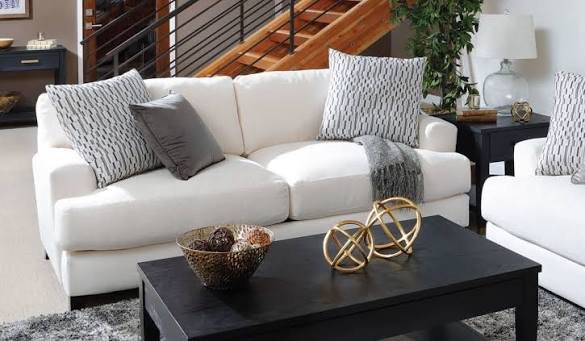
A sofa is often one of the most frequently used pieces of furniture in a home. It can be a place to relax at the end of the day, gather with family, or accommodate guests. Because it serves so many purposes, choosing one involves more than finding a style that looks right in the room.
Construction affects how a sofa holds up over time. Cushion materials influence comfort and maintenance, while upholstery determines how the piece feels and responds to everyday use. Size and proportion, meanwhile, can determine whether the sofa works naturally within the room. Looking at these factors together makes it easier to compare options and choose a piece suited to the household.
Start With How the Sofa Will Be Used
Before comparing materials or styles, consider what daily life around the sofa looks like. A sofa in a formal sitting room may receive occasional use, while one in a family room might be used for hours every day.
Households with children or pets may place greater importance on durable, easy-to-maintain upholstery. Someone who frequently hosts visitors may need more seating capacity. A person who enjoys stretching out while reading or watching television may prefer deeper seats.
There is no single sofa that works best for everyone. Defining the main purpose of the piece helps narrow the choices before details such as color and decorative features become the focus.
Understanding Sofa Construction
The parts hidden beneath the upholstery play an important role in how a sofa feels and performs. While construction details can vary by manufacturer and design, it is useful to understand the main components.
The Frame
The frame provides the basic structure of the sofa. A sturdy frame helps the piece maintain its shape and supports the weight placed on it during normal use.
Different sofas use different materials and construction methods. When comparing options, look for clear information about the frame and overall build quality rather than assuming that appearance alone indicates durability. A sofa is a long-term piece for many households, so understanding what supports it can be worthwhile.
Suspension and Seat Support
Under the seat cushions, a support system helps distribute weight and contributes to the way a sofa feels when sitting down. Different suspension systems can create different levels of firmness and responsiveness.
Comfort is subjective, so construction specifications should be considered alongside personal experience. If possible, sitting on a sofa can provide useful information about whether the seat support feels appropriate for regular use.
Cushioning Makes a Major Difference in Comfort
Cushions can significantly change the experience of using a sofa. They also affect how much maintenance the seating may require over time.
Foam Cushions
Foam is widely used because it can provide consistent support and hold its shape. Density and construction vary, so foam cushions are not all identical. Firmer foam may provide more structured support, while softer options can create a more relaxed feel.
Fiber and Down-Blend Cushions
Fiber-filled or down-blend cushions can feel softer and more casual. Depending on their construction, they may require regular fluffing or adjustment to maintain their appearance.
The choice often comes down to preference and maintenance expectations. A cushion that feels exceptionally soft may require more attention than one designed to retain a firmer shape.
Consider Seat Depth and Height
Cushion material is only part of the comfort equation. Seat depth and height affect posture and how easily people can sit down or stand up. A deep seat may be appealing for lounging but less comfortable for someone who prefers to sit upright.
Trying different dimensions can help clarify which arrangement suits the people who will use the sofa most often.
Choose Upholstery Based on Everyday Conditions
Upholstery influences both the appearance of a sofa and its ability to handle regular use. The right material depends on the household, location of the sofa, and willingness to perform routine care.
Fabric Upholstery
Fabric sofas are available in a wide range of textures and patterns. Some fabrics are better suited to frequent use than others, so it is worth reviewing care requirements before making a decision.
Color is another practical consideration. Very light fabrics can show certain marks more easily, while darker or patterned materials may be more forgiving in active households. Neither option is universally better; the right choice depends on the environment.
Leather and Other Upholstery Options
Leather can offer a distinct appearance and may develop character with use, but its care needs and response to temperature can differ from fabric. Other upholstery materials may provide different combinations of texture, durability, and maintenance requirements.
Before choosing, consider how the material feels, how it will age, and whether its care requirements fit the household’s routine.
Size Is About More Than the Length of the Sofa
One of the most common furniture-buying challenges is selecting a piece that fits the room physically but does not fit the space comfortably. A sofa’s width is important, but depth, height, arm size, and visual weight also affect how it occupies a room.
Measure the intended location and consider walkways around the furniture. Doorways, staircases, elevators, and hallways should also be measured to make sure the sofa can be delivered to the room.
When browsing sofas for sale, comparing product dimensions with a room plan can help distinguish between options that merely fit and those that leave enough space for the rest of the furniture arrangement.
Match the Sofa to the Room’s Scale
A large room may need a substantial sofa or additional seating to avoid feeling sparse. In a smaller room, a compact design with slimmer arms or raised legs can sometimes reduce the sense of visual crowding.
It is also important to consider the other furniture in the room. The sofa should relate comfortably to coffee tables, chairs, and storage pieces rather than overwhelming them.
Style Matters, but It Should Support the Room
Style is naturally part of the decision. The shape of the arms, the height of the back, the upholstery texture, and the legs can all influence the character of a room.
However, a highly distinctive design may be more difficult to adapt if the rest of the room changes later. This does not mean avoiding personal preferences. It simply means considering whether the sofa will continue to suit the space as other furniture and décor evolve.
For some buyers, a simpler sofa provides flexibility, while others prefer a piece with a stronger visual presence. Both approaches can work when the choice is intentional.
Balance Budget With Expected Use
Sofas are available across a broad range of prices, and cost should be considered alongside expected use and construction. A sofa used occasionally may not require the same level of durability as one used by an entire household every day.
It can be helpful to identify the features that matter most before shopping. For one household, upholstery may be the priority. For another, seat comfort or dimensions may matter more. Understanding those priorities can prevent paying for features that have little practical value.
Buying the least expensive option is not always the most economical choice if it needs to be replaced sooner, but spending more does not automatically guarantee that a particular sofa is the right fit. Comparing construction, materials, comfort, and care requirements provides a more useful basis for the decision.
Common Questions About Choosing a Sofa
How long should a sofa last?
The lifespan of a sofa depends on its construction, materials, frequency of use, and maintenance. A heavily used sofa will naturally experience more wear than one in an occasional sitting room.
Is a firm or soft sofa better?
Neither is inherently better. Firmness is largely a matter of personal comfort and the intended use of the sofa. Some people prefer supportive seating, while others prioritize a softer surface for lounging.
Should you buy a sofa before choosing other living room furniture?
Starting with the sofa can be helpful because it is often the largest piece in the room. Once its size and placement are established, it becomes easier to select complementary tables, chairs, and storage.
How much space should be left around a sofa?
The amount depends on the room layout, but comfortable pathways should be maintained around major furniture. Planning the arrangement before purchasing can help avoid a crowded or difficult-to-navigate space.
Make the Decision With the Whole Room in Mind
A sofa can look appealing on its own but still be the wrong choice if it does not suit the room or the people who use it. Construction, cushioning, upholstery, and size all contribute to the overall experience, and each deserves consideration.
Taking measurements, thinking honestly about daily routines, and comparing comfort with practical needs can make the selection process more manageable. A well-chosen sofa does not need to meet every possible preference. It simply needs to provide the right balance of support, function, appearance, and durability for the home where it will be used.