


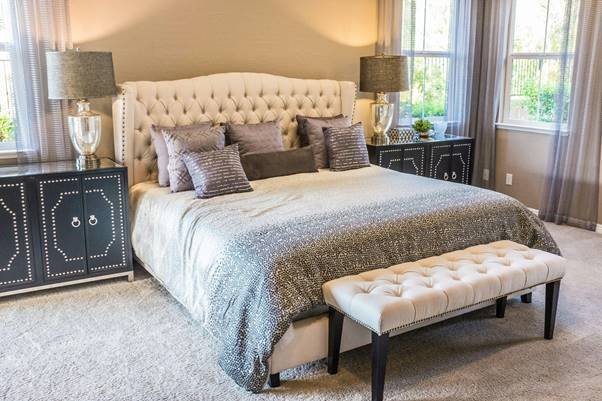
A bed sets the tone for the entire bedroom. Its size determines how the furniture around it is arranged, its headboard influences the wall colour and lighting, and its frame material signals whether the room leans modern or traditional. For that reason, the right choice depends far more on shape, finish and scale than on current trends.
Low platform frames and floating bases suit contemporary spaces, while sleigh, four-poster and tufted designs belong in more classic settings. The article below covers the strongest styles for each look, along with the practical details worth checking when comparing luxury beds Dubai homeowners can choose from today.
Luxury Bed Styles for Contemporary Interiors
Contemporary bedrooms favour restraint. Clean lines, low silhouettes and considered materials allow the bed to feel sculptural rather than decorative. The strongest options include:
- Platform beds: Low-profile frames that sit close to the floor, creating a calm, grounded look that suits open-plan apartments and minimalist schemes.
- Floating beds: Frames with recessed bases or concealed supports that appear to hover, often paired with integrated LED lighting for a striking evening effect.
- Oversized upholstered headboards: Wide, wall-hugging designs in bouclé, velvet or textured linen that add softness and acoustic warmth without visual clutter.
Material choice matters as much as shape. Matte lacquer, smoked oak, brushed metal and performance fabrics keep contemporary designs looking sharp in a warm climate, where durability and easy upkeep are essential.
Luxury Bed Styles for Classic Interiors
Classic interiors celebrate craftsmanship and detail. Here, the bed becomes a statement of heritage, and the most enduring styles have been refined over centuries.
The sleigh bed, with its gracefully scrolled head and footboards, brings a sense of ceremony to master suites and works particularly well in rooms with generous floor space. Four-poster and canopy beds add height and drama, drawing the eye upwards and making high ceilings feel intentional rather than empty.
Chesterfield-style headboards, finished with deep button tufting in leather or velvet, offer a more tailored take on tradition, while hand-carved frames in walnut or mahogany lend warmth and gravitas to the whole room.
Bridging Both Worlds: Transitional Designs
Many homeowners do not want to choose between the two, and transitional beds answer that need. They borrow the silhouette of a classic piece, such as a wingback or paneled headboard, and update it with slimmer legs, muted tones, and modern fabrics.
This approach is ideal for homes where ornate mouldings meet contemporary art, and it allows the bedroom to evolve as tastes change. When planning your overall design decor, a transitional bed gives you the flexibility to layer antique side tables with sleek lighting without either feeling out of place.
How to Choose the Right Luxury Bed
Before committing, weigh up these practical considerations:
- Proportion: Allow at least 60 to 75 centimetres of clearance around the bed so the room feels balanced rather than crowded.
- Headboard height: Tall headboards suit high ceilings, while lower designs keep compact rooms feeling open.
- Craftsmanship: Inspect the joinery, frame materials and upholstery finishes, as these determine how well the bed ages.
- Comfort and function: Pair the frame with a quality mattress and consider a storage base if wardrobe space is limited.
A luxury bed is a long-term investment in both comfort and character. Contemporary styles reward those who value calm and clarity, classic designs suit lovers of detail and tradition, and transitional pieces sit gracefully between the two. By matching the bed’s form and materials to your room’s architecture and the way you live, you create a bedroom that feels considered, restful and unmistakably yours for years to come.