


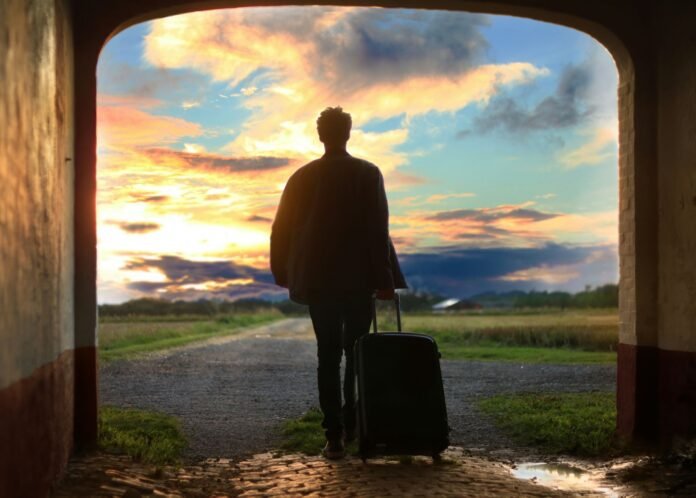
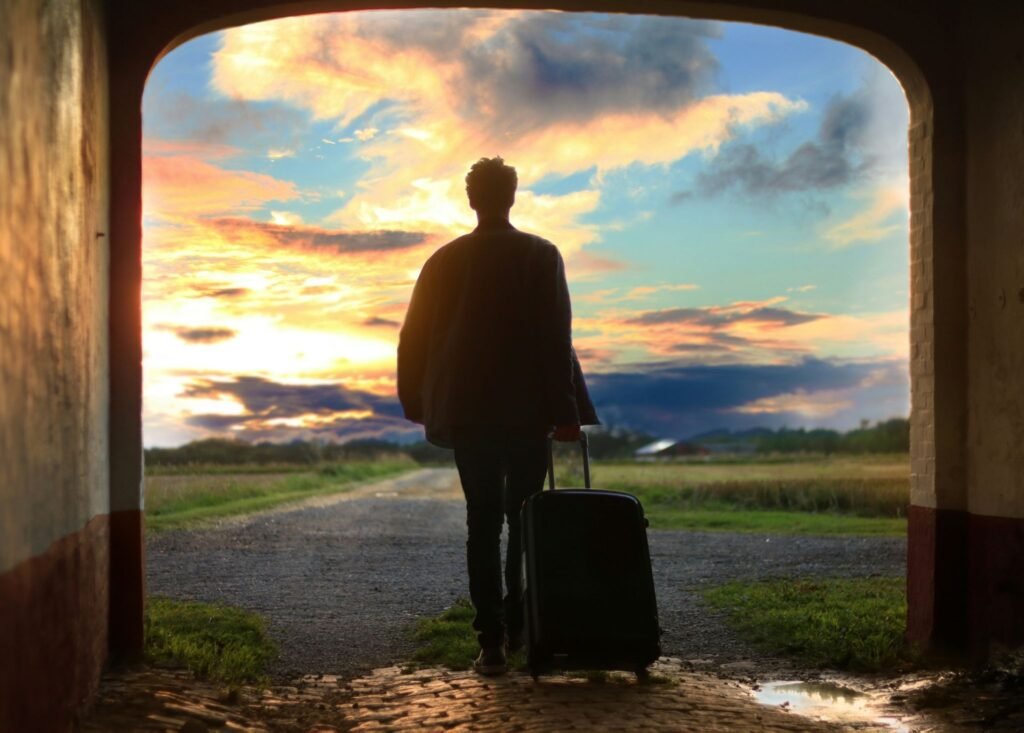
Every trip changes us a little, even the short ones. A new city, a new mountain, or a new conversation with a stranger can shift the way we see the world. For most people, that change fades once the suitcase is unpacked and the laundry is done. But for a growing number of entrepreneurs, travel does not end when the plane lands. It becomes the seed of a business idea that grows for years, sometimes decades, long after the trip itself is forgotten by everyone except the person who lived it.
This pattern shows up again and again across very different industries. A founder climbs a mountain and comes home with a new mission. A designer visits a foreign hotel and later builds that same feeling into a product back home. A traveler falls in love with a remote rainforest and eventually opens a lodge there so others can feel what they felt. These are not coincidences. They are proof that travel does something unique to the mind, something that sitting in an office rarely does. It forces people to slow down, notice details, and ask bigger questions about what really matters.
Why Travel Sparks Better Ideas
There is a reason so many successful founders point back to a single trip when asked how their company started. Travel removes the daily noise of routine and replaces it with fresh input. A person walking through an unfamiliar market or standing at the edge of a glacier is more likely to notice a gap, a need, or a better way of doing something. Distance from home also creates space for honest thinking. Away from familiar pressures, people often see their own lives, and their own industries, with much clearer eyes. Researchers who study creativity have long noted that new environments spark new connections in the brain, and entrepreneurs seem to benefit from this effect just as much as artists and scientists do.
Some of the clearest examples come from people who never expected travel to shape their careers at all. A parent visiting a hospital overseas notices a kinder way patients are treated. A retailer touring a foreign factory spots a manufacturing process nobody back home has tried. A hobbyist wandering through a market stumbles onto a tool or material that changes how they work for the rest of their life. None of these moments look like business meetings while they are happening. They only reveal their full value months or years later, once the traveler has had time to turn the memory into a plan.
Industries That Prove the Pattern
What makes this trend even more interesting is that it is not limited to travel companies themselves. Jewellers, funeral planners, and real estate developers are just as likely to trace their best ideas back to a journey as any tour operator is. The lesson these founders share is simple but powerful. The most valuable thing a person can bring home from a trip is not a souvenir. It is a new way of thinking that can be turned into something other people will value too.
From Rainforest Trek to a Lodge That Welcomes the World
Few people understand this better than someone who has spent thirty years exploring an entire continent. When travel becomes a career instead of a hobby, the line between adventure and business planning nearly disappears. Marcel Perkins, Managing Director of Latin Trails, has spent decades exploring South America, and several of his most memorable trips led directly to new lodges and travel programs rather than simply new stories to tell. Growing up between Ecuador and the United States gave him an early sense of two very different worlds, and that dual perspective has shaped how he designs journeys ever since. Instead of building itineraries from a desk, he insists on walking the trails, meeting the guides, and staying in the lodges himself before ever recommending them to travelers.
“I never planned to build lodges, they came from journeys where I refused to leave a place unfinished in my mind. One scouting trip through the Choco rainforest turned into three sleepless nights mapping trails by lantern light. We opened a lodge there a year later, and it now welcomes travelers who feel the same wonder I felt that night. Every property we run started as a personal trip that simply would not let me go home unchanged.”
From a Mountain Summit to a New Kind of Company
Sometimes the most powerful journeys are not about distance at all, but about facing a diagnosis and refusing to let it define the rest of the story. After being told he had motor neurone disease in 2017, Paul Jameson set out to climb mountains and break records instead of slowing down. Those trips did more than fill a bucket list. They shaped the mission behind the company he later built with his son. Paul Jameson, Founder & Executive Chairman of Aura Funerals, turned his own journey into a business built on courage and honesty around one of life’s hardest topics.
“Climbing Kilimanjaro after my MND diagnosis taught me that fear should never decide how I spend my remaining days. Every summit and every jump reminded me that families deserve the same courage when planning for the hardest goodbye. We built Aura around that lesson, giving people a simple, honest way to plan ahead instead of avoiding it. My bucket list raised over two hundred thousand pounds for research, but the real prize was bringing that courage home to help others.”
Turning Proposal Memories Into Something to Wear
Travel does not only inspire brand new companies. It also reshapes the products and services that already existing businesses offer to their customers. Couples getting engaged often travel far from home for the moment itself, and those memories end up shaping the jewellery they choose to mark the occasion. Ben Hathaway, Founder of Wedding Rings UK, has spent years turning stories from distant beaches and mountaintops into rings that carry those journeys forward.
“Some of our favorite commissions start with a couple describing a mountain sunrise or a beach where they got engaged thousands of miles from home. I love turning those memories into a ring that carries the trip inside the metal itself. One couple asked us to set a stone the exact blue of the ocean where he proposed, and we found a way to do it. Every bespoke piece we make lets travelers bring a piece of their journey home forever.”
From International Tours to Local Skylines
Real estate is another industry where travel quietly shapes what gets built. Developers who tour luxury properties abroad often return home with a mental list of features their local market has never seen before. Akash Gola, Marketing Director of Kreeva Swaranaya, has used international travel as a design tool, translating amenities he experiences overseas into features for luxury residences in South Delhi.
“Every international trip I take becomes research, whether I am touring a residence in Singapore or a wellness retreat in the Maldives. I bring those design details home and translate them into amenities our South Delhi buyers had never seen before. Our clubhouse and business center grew directly out of features I first experienced abroad. Traveling the world has become the fastest way for us to raise the bar on luxury living in India.”
What These Four Journeys Have in Common
These four stories come from industries that could not look more different on the surface. A travel company, a jewellery brand, a funeral service, and a luxury real estate developer do not usually appear in the same conversation. Yet each of these founders points to the same quiet truth. Stepping outside familiar surroundings, whether through a mountain climb, a scouting trip, or a tour of a foreign property, creates space for ideas that would never have surfaced at a desk. Travel strips away routine and replaces it with fresh eyes, and fresh eyes are often exactly what a business needs to grow. What is striking is how differently each journey unfolded, yet how similarly each founder describes the outcome. A rainforest hike, a mountain summit, a beach proposal, and a tour of a foreign residence all led to the same result: a business shaped by something the founder was not looking for when they set out.
The Real Lesson to Bring Home
The takeaway for anyone chasing a new idea is not that everyone needs to book a flight tomorrow. It is that stepping outside of what feels familiar, whether across an ocean or simply outside a normal daily routine, tends to unlock thinking that comfort cannot. The best businesses are often the ones built by people willing to notice something new and then have the courage to bring it home. Whether that means opening a lodge in a rainforest, designing a ring inspired by a faraway shore, building a company around lessons learned on a mountain, or bringing global design standards to a local skyline, the pattern holds. The world outside our front door is often the richest source of ideas we will ever find, and the businesses that last are usually the ones built by people who paid close attention to what they brought home. For every entrepreneur still searching for their next idea, the lesson from these four founders is worth remembering. Sometimes the answer is not waiting at a desk. It is waiting somewhere far from home, ready to be noticed by anyone paying close enough attention.