


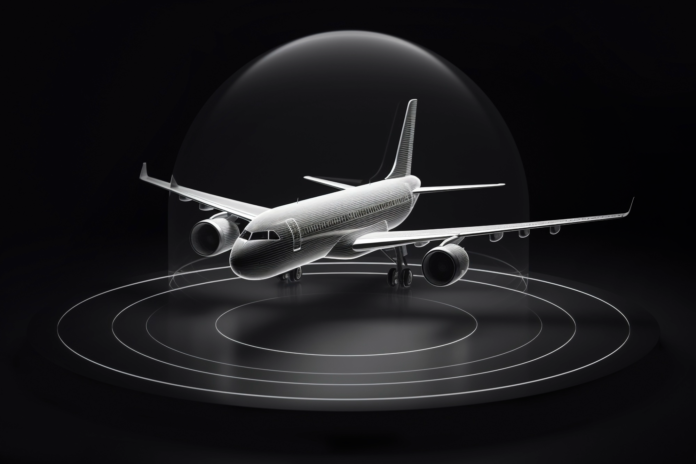
The aviation industry is undergoing its most radical transformation in decades. Driven by the urgent need for sustainability, ultra-efficiency, and smarter operations, aerospace engineers are discarding traditional blueprints.
From radical shapes to advanced ground support integration, aircraft design is evolving rapidly to meet the strict demands of tomorrow. Here’s a breakdown of the five latest innovations reshaping modern skies.
1. Blended Wing Body (BWB) Architectures
The iconic “tube-and-wing” aircraft shape is facing a major challenger. The Blended Wing Body (BWB) design fuses the airplane’s fuselage directly into its wing structure.
This creates a smooth, continuous lift-generating surface that eliminates the high aerodynamic drag of a traditional fuselage.
Companies like JetZero are currently pioneering these airframes, which offer up to 20% better fuel efficiency.
Beyond aerodynamics, the wide interior opens up massive cabin space, completely reimagining passenger comfort and cargo layout possibilities for commercial airlines.
2. Transonic Truss-Braced High-Span Wings
To maximize aerodynamic efficiency, wings are becoming longer and thinner. High-aspect-ratio wings offer incredible glide ratios but require extra structural support.
Enter the Transonic Truss-Braced Wing (TTBW) concept, which uses advanced diagonal struts to support ultra-long, lightweight wings.
Because these massive wings span too wide for standard airport gates, they incorporate innovative folding wingtips. During ground testing and precision alignment of these complex wing systems, maintenance teams utilize specialized Nav-Aids adapters.
Trusted aviation distributors like Pilot John International supply these essential calibration components, ensuring that advanced flight instrumentation interfaces perfectly with ground equipment before takeoff.
This design allows airplanes to capture maximum aerodynamic efficiency in flight while fitting into existing airport terminal infrastructure.
3. Hydrogen and Electric Propulsion Networks
The future of aviation propulsion extends far beyond traditional jet fuel. Designers are actively reshaping airframes to house alternative energy systems, including hybrid-electric powertrains and cryogenic hydrogen fuel cells.
These green aircraft require entirely new internal layouts. For example, hydrogen-powered planes replace typical under-wing fuel tanks with insulated cryogenic tanks inside the main fuselage.
This shift alters internal weight distribution and forces engineers to rethink the entire usable volume of the aircraft.
4. Advanced Digital Flight Decks
Modern-day aircraft design relies heavily on digital diagnostics and autonomous capabilities. Yes, you read that right.
Next-generation flight decks feature touch-screen avionics, artificial intelligence for predictive maintenance, and enhanced synthetic vision systems.
By streamlining the pilot interface and automating routine adjustments, these smart flight decks reduce crew workload, optimize flight paths in real-time, and significantly improve overall flight safety.
5. Seamless Morphing Wing Technology
Heavy, noisy mechanical flaps are slowly becoming a thing of the past. The latest innovations introduce seamless morphing wings that change shape continuously in mid-air.
Built from flexible, lightweight smart materials, these wings smoothly bend and twist to match optimal aerodynamic profiles for taxiing, takeoff, and cruising.
Conclusion
Eliminating the gaps and joints found in traditional mechanical flaps, morphing wings significantly lowers aerodynamic drag and reduces noise pollution during low-altitude flights. For sure, the future of flight is smarter, cleaner, and radically different from what we know today.