


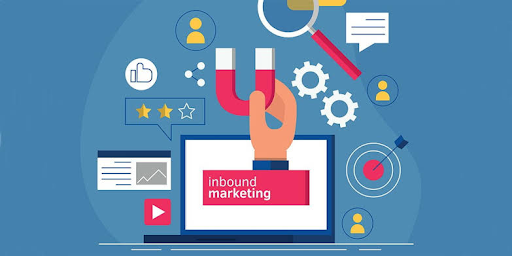
Industry data confirms that 76% of companies currently utilize automation to streamline their operations, yet 60% of consumers report they will abandon a brand after a single robotic or impersonal experience. Many organizations fall into the trap of prioritizing volume over value, leading to a disconnect between the brand and the audience. To achieve sustainable digital growth, businesses must refine their inbound marketing automation setups to serve as a bridge for genuine connection rather than a barrier to entry. This strategic guide explores how to scale your business development while maintaining the empathy and nuance required to build long-term trust with your leads.
Strategic Empathy In High-Performance Systems
Successful marketing automation strategy begins with a deep understanding of the human on the other side of the screen. Instead of viewing leads as data points in a CRM, organizations should employ empathy mapping to identify the emotional drivers behind a purchase decision. High-converting design and strategy require more than just demographics; they require an understanding of the challenges, fears, and aspirations of your target audience. By aligning your technology with these human insights, you ensure that every touchpoint feels relevant and timely.
Main Takeaways
Prioritizing the human experience within your automated workflows leads to higher brand visibility and measurable results. By focusing on the following core areas, businesses can transform their digital presence:
- Strategic segmentation ensures leads receive content that matches their specific intent.
- Conversational copywriting builds rapport and removes the friction of corporate jargon.
- Seamless human hand-offs ensure high-intent leads are never left waiting for a response.
- Regular audits prevent technical failures and tone-deaf messaging from damaging your reputation.
Advanced Segmentation Boosts Lead Relevance
Effective segmentation drives higher Return on Investment (ROI) by ensuring that the right message reaches the right person at the right time. Moving beyond basic lists like industry or job title allows for a more personalized approach. Organizations should segment their audience based on actual behavior, such as content engagement, webinar attendance, or specific product page views. This level of precision allows for highly targeted marketing automation workflows that speak directly to the lead’s current stage in the buyer journey.
Implementing Behavioral Scoring Logic
Lead scoring systems are essential for identifying when a prospect has transitioned from a casual observer to a high-intent lead. By assigning point values to specific actions—such as downloading a whitepaper or visiting a pricing page—you can automate the prioritization process. This technical precision allows your sales team to focus their energy on the most qualified opportunities, ensuring that human intervention happens at the exact moment it is most effective. WeekThink expertise in technical integration ensures these systems are configured for maximum accuracy and impact.
Dynamic Content Personalization
Using dynamic content blocks within your automated sales funnels allows you to tailor website and email experiences in real-time. Instead of sending a generic newsletter, your system can swap out images, headlines, and offers based on the lead’s past interactions. This creates a sense of being understood by the brand, which is a critical component of holistic digital growth. When a lead sees content that mirrors their specific interests, the likelihood of conversion increases significantly.
Conversational Copywriting For Conversions
Ditching corporate speak is the fastest way to humanize your automated communications. Authentic engagement is built through language that sounds like a person talking to another person. This means using shorter sentences, active verbs, and a tone that is approachable yet professional. At WeekThink, we emphasize that technical excellence must be paired with clear, jargon-free communication to build lasting brand affinity.
The Power of Plain Text
While high-performance web design is crucial for your site, your lead nurturing automation often performs better with plain text emails. Over-designed templates can trigger the subconscious “advertising” alarm in a lead’s brain, leading to lower open rates and higher unsubscribe numbers. A simple, well-written plain text email feels like it was sent directly from an individual’s inbox, fostering a more personal connection and encouraging a two-way dialogue.
Narrative Driven Sequences
Storytelling is a powerful tool for building brand visibility within your automation. Instead of just pushing product features, use your inbound campaign automation to tell the story of how your service solves a specific problem. Share case studies, client success stories, and the “why” behind your business. This narrative approach helps leads visualize themselves achieving similar results, which moves them closer to a purchase decision without feeling pressured.
Behavioral Triggers Drive Engagement
Timing is the most important element of relevance in any automated sequence. Rather than relying on a fixed schedule of “blasting” your list, utilize event-based triggers that respond to lead actions in real-time. This ensures your brand stays top-of-mind exactly when the prospect is thinking about their problem. Strategic consulting often reveals that the most effective triggers are those that respond to high-value behaviors, such as repetitive visits to a specific solution page.
Optimizing Wait Steps and Frequency
Avoiding inbox fatigue is a vital part of maintaining a human touch. Implementing “wait steps” within your sequences ensures that you aren’t overwhelming your leads with too much information too quickly. Furthermore, frequency capping prevents a single lead from being enrolled in multiple workflows simultaneously, which can lead to a confusing and frustrating user experience. Respecting your lead’s time is a signal of a mature, customer-centric business development strategy.
Time Zone Synchronization
Ensuring your messages arrive when the recipient is actually active is a simple but profound way to improve results. Modern CRM automation integration allows you to send emails based on the recipient’s local time zone. Sending an automated message at 3:00 AM local time is a clear signal of robotic automation; sending it at 9:15 AM on a Tuesday feels like a deliberate, thoughtful action from a professional partner.
Seamless Human Hand-off Strategies
The transition from an automated sequence to a human representative is a critical moment in the customer journey. If this hand-off is clunky, the lead may feel like they are starting over from scratch. Strategic consulting helps businesses build a bridge between marketing and sales, ensuring that the sales rep has full visibility into the lead’s previous automated interactions. This data allows for a more personalized and effective initial sales call.
Automated Sales Alerts
Setting up real-time notifications for your sales team is a key feature of high-performance automation. When a lead reaches a certain threshold in your lead scoring systems, your CRM should automatically alert a representative via email or a platform like Slack. This allows for an immediate, personalized follow-up while the lead is still actively engaged with your content. Speed-to-lead is a major factor in conversion rates, and automation is the tool that makes it possible at scale.
Integrating Chat with AI
Chatbots are excellent for routing and answering simple questions, but they should never fully replace live human interaction. Use AI-driven chat to qualify leads and gather initial information, then offer a seamless transition to a live representative for complex problem-solving. This “assisted automation” approach provides the efficiency of technology with the reassurance of human expertise. WeekThink provides the technical precision needed to integrate these tools into a cohesive customer experience.
Post-Conversion Loyalty Loops
Humanization shouldn’t stop once a lead becomes a customer. In fact, the post-conversion experience is where automation can truly shine in building long-term loyalty. Automated onboarding sequences that provide helpful tips, warm welcomes, and milestone celebrations make the customer feel valued. This holistic digital growth strategy focuses on retention and expansion, not just initial acquisition.
Surprise and Delight Moments
Use your automation to create unexpected positive experiences for your clients. This could be an automated message celebrating their one-year anniversary with your brand or a special offer sent on their birthday. These small gestures show that you value the relationship beyond the transaction. When combined with professional video production or photography, these moments can create a powerful visual impact that reinforces your brand’s commitment to quality.
Interpreting Your Automation Performance
To ensure your strategy remains effective, you must regularly analyze the data generated by your workflows. The following table provides a framework for evaluating the different components of your automation setup to ensure they are delivering the desired ROI and human-centric experience.
| Strategy Focus | Key Metric | Human Signal | Automation Tool | Optimization Goal |
| Behavioral Triggers | Click-Through Rate | High Interest | Event Tracking | Reduce Delay Time |
| Segmented Lists | Conversion Rate | Relevance | Dynamic Fields | Increase Specificity |
| Lead Scoring | SQL Quality | Ready to Buy | Point Logic | Refine Thresholds |
| Plain Text Emails | Reply Rate | Authenticity | Email Client | Personalize Tone |
| Onboarding Loops | Retention Rate | Satisfaction | Workflow Engine | Enhance Value |
This table serves as a guide for aligning your technical goals with the human signals your audience provides. By monitoring these metrics, you can identify where your automation might be feeling too robotic and adjust your strategy accordingly for better integrated marketing results.
Avoiding Common Automation Failures
Broken logic is the quickest way to destroy trust with a potential client. We have all seen the “Hi [NULL]” email, which immediately signals that the brand is using a template and hasn’t bothered to check their data quality. Regular auditing of your inbound marketing automation setups is required to ensure that personalization tokens are working correctly and that links are directed to the proper landing pages. Technical excellence is not a one-time setup; it is a commitment to ongoing maintenance.
Managing Workflow Overlap
One of the most common pitfalls in marketing is having a lead stuck in three different workflows at once. This leads to conflicting messages and a confusing brand voice. Implement exclusion logic to ensure that if a lead is in a high-touch sales sequence, they are automatically paused in general marketing tracks. This ensures that your brand voice remains consistent and that you are not competing with your own sales team for the lead’s attention.
Recap
Balancing automation with a human touch is essential for modern business development. Start with a foundation of empathy by building detailed buyer personas. Use advanced segmentation and lead scoring to ensure your messaging is always relevant to the recipient’s intent. Master conversational copywriting and use plain text emails to build rapport. Ensure a seamless hand-off between automated systems and human representatives to capitalize on high-intent behaviors. Finally, maintain your systems through regular audits to prevent technical errors and ensure long-term ROI.
FAQs About Inbound Marketing Automation Setups
How does lead scoring improve the customer experience?
Lead scoring allows a business to understand a prospect’s level of interest without being intrusive. By monitoring engagement levels, the company can ensure that they only reach out with direct sales offers when the lead is actually ready for that conversation, preventing annoyance and building trust.
Why should I use plain text emails in my automation?
Plain text emails often feel more personal and less like a mass marketing blast. This approach can lead to higher engagement and reply rates because it mimics the way real people communicate in a professional environment. It removes the “corporate wall” and encourages a genuine connection.
What is the most common mistake in marketing automation?
The most common mistake is the “set it and forget it” mentality. Automation requires constant monitoring and optimization to ensure the tone is still appropriate, the links work, and the logic still aligns with the current business goals. Without regular audits, workflows can quickly become outdated and damaging to the brand.
How can WeekThink help with my automation strategy?
WeekThink provides strategic consulting and technical precision to help businesses integrate their marketing and sales tools. We focus on creating high-performance setups that drive measurable results while maintaining the authentic, human connection that is necessary for long-term digital growth.
Partner with WeekThink for your digital growth and let our experts audit your current marketing systems. Schedule a strategic marketing consultation today to transform your automated workflows into powerful engines for business development.