


Key Takeaways
- Homeowners are prioritizing functionality and personalization over resale value in bathroom renovations.
- Emerging trends include spa-like features, sustainable materials, and smart technology integration.
- Design elements such as walk-in showers, natural materials, and bold color palettes are gaining popularity.
As homeowners increasingly seek to remodel their bathrooms into personal sanctuaries, the remodeling landscape is evolving with innovative designs and features. Many are choosing to remodel bathroom spaces with the help of experienced professionals like Zintex Remodeling Group to achieve stylish, functional, and modern results. This article explores the latest trends shaping bathroom renovations in 2026, offering inspiration for those looking to update their spaces.
Prioritizing Personalization and Functionality
Recent studies indicate a shift in homeowner priorities, with a growing emphasis on creating bathrooms that cater to personal needs and preferences. According to the 2024 U.S. Houzz Bathroom Trends Study, 27% of homeowners renovated their bathrooms to make them more accommodating, up from 23% in 2023. In contrast, the focus on improving resale value declined from 31% to 26% during the same period. This trend underscores a desire for spaces that reflect individual lifestyles and enhance daily routines. Personalization goes beyond mere aesthetics. More homeowners are opting for customizable storage solutions, such as built-in cabinets with organizational dividers, pull-out shelves, and vanity stations that cater to daily routines. The addition of amenities such as built-in coffee stations, towel warmers, and even small refrigerators helps transform the bathroom into a space tailored uniquely to each household. Innovative storage has also become essential in bathrooms of all sizes, keeping spaces uncluttered while accommodating daily essentials.
Embracing Spa-Like Features
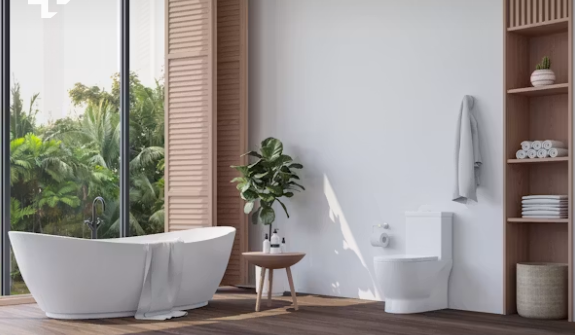
The concept of the “spathroom” has gained traction, with homeowners incorporating elements that evoke a spa experience. Features such as steam showers, soaking tubs, and infrared saunas are becoming more accessible and affordable, allowing individuals to create wellness-focused retreats within their homes. This movement aligns with a broader trend towards self-care and relaxation. Additional spa-inspired upgrades, such as aromatherapy diffusers, chromotherapy lighting, and rainfall showerheads, create a relaxing atmosphere and support stress relief. Freestanding bathtubs with sculptural forms become centerpieces, while thoughtful layouts with zones for grooming, bathing, and relaxation encourage a tranquil, restorative setting. Integrated speakers and sound systems are often installed to enhance the ambiance, making everyday self-care routines feel luxurious.
Incorporating Sustainable Materials
Sustainability continues to influence bathroom design choices. Homeowners are opting for eco-friendly materials such as reclaimed wood, recycled glass, and low-flow fixtures to reduce their environmental impact. These choices not only contribute to a greener planet but also add a unique aesthetic appeal to the space. Durability is another benefit of sustainable choices. Water-based finishes, non-toxic paints, and natural stone surfaces withstand moisture and heavy usage better while ensuring healthy indoor air quality. Bamboo flooring, concrete sinks, and recycled metal accents offer unique textures and an earthy feel. Solar-powered lighting and energy-efficient water heaters can further reduce energy consumption, making eco-friendly renovations both a trend and a long-term investment.
Integrating Smart Technology
Advancements in technology are making their way into the bathroom, enhancing convenience and efficiency. Smart mirrors with built-in lighting and touch controls, heated floors, and voice-activated fixtures are becoming standard features in modern bathroom remodels. These innovations offer a seamless blend of functionality and luxury. Smart toilets, complete with seat warmers, bidet functions, and self-cleaning capabilities, are another increasingly popular choice. Water temperature and lighting can be automatically adjusted via smartphone apps or preset routines, creating personalized experiences for every household member. Leak detection sensors and humidity monitoring systems also help prevent costly water damage and mold, ensuring these high-tech upgrades are both stylish and practical.
Adopting Walk-In Showers
Walk-in showers are replacing traditional tubs, offering a sleek and accessible design. Features such as multiple showerheads, built-in seating, and zero-entry designs cater to both aesthetic preferences and practical needs, making them a popular choice among homeowners. Frameless glass enclosures contribute to an open, airy feel. Large-format porcelain tiles, stone slab walls, and linear drains help create seamless surfaces that are ea
sy to clean. This increased focus on accessibility also accommodates multigenerational needs, allowing individuals of varying ages and abilities to use their bathrooms safely and comfortably. Additional built-in storage niches or benches provide extra utility without taking up more space.
Utilizing Natural Materials
Incorporating natural materials such as stone, wood, and plants adds warmth and texture to bathroom spaces. This biophilic design approach fosters a connection to nature, creating a calming, rejuvenating environment.
Beyond their visual appeal, materials such as marble, slate, and pebble mosaics offer tactile experiences that enhance relaxation and well-being. Live plants and green walls serve as natural air purifiers, and wood accents—whether in vanities, shelving, or ceiling details- bring organic warmth to contrast tile and porcelain. Natural light, invited in through skylights or frosted windows, further boosts the ambiance, blurring the lines between indoor and outdoor spaces.
Exploring Bold Color Palettes
While neutral tones have long dominated bathroom design, there’s growing interest in bold, vibrant color schemes. Deep blues, rich greens, and warm terracottas are being used to add personality and depth to the space, moving away from the traditional all-white bathroom. Vivid feature walls, patterned tiles, and colored vanities allow homeowners to experiment with color without overwhelming the space. Gold and black fixtures provide dramatic contrast, while colored sinks, tubs, and tiles create dynamic focal points. Even small updates, like colorful towels and accessories, can transform a bathroom’s feel, making it inviting and full of character.
Incorporating Unique Textures and Finishing Touches
Beyond color and material, texture is taking center stage. Textured wall tiles, rattan or cane drawer fronts, and fluted glass bring depth and tactile interest. Matte finishes on fixtures and hardware are trending, giving surfaces a contemporary yet understated look. Layered lighting, combining task, ambient, and accent lights, adds warmth and adaptability, creating the right mood for any occasion. Thoughtful details, such as artisanal ceramics, handwoven rugs, and personalized artwork, provide a sense of authenticity and grounding presence in the space.
Conclusion
The bathroom remodeling trends of 2026 reflect a shift towards personalization, sustainability, and technological integration. By embracing these trends, homeowners can create spaces that not only meet their functional needs but also serve as personalized retreats that enhance their daily lives. For those considering a bathroom upgrade, the year’s trends suggest there’s never been a better opportunity to blend luxury, wellness, and eco-consciousness. Whether focusing on spa-inspired amenities, high-tech solutions, or bold design statements, today’s bathroom remodels promise to deliver comfort, beauty, and long-term value.