


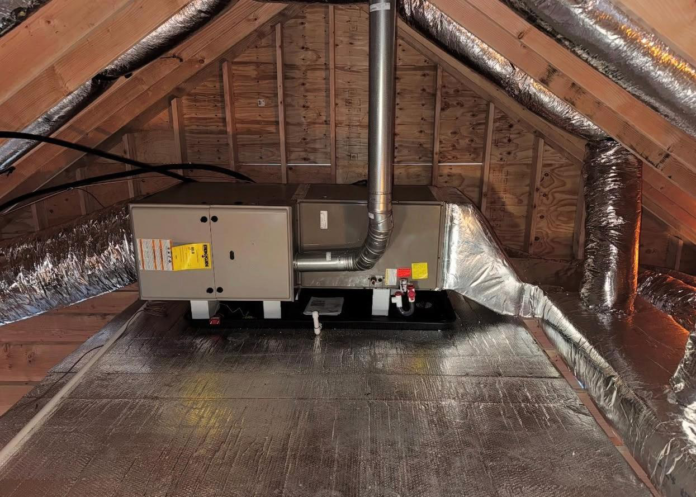
Winter heating costs can quickly rise when a home’s heating system struggles to maintain a comfortable temperature. Older furnaces often consume more energy, distribute heat unevenly, and work harder during colder months. Upgrading to a modern heating system can make a noticeable difference in both comfort and monthly utility expenses. Many homeowners are now exploring whether a high-efficiency attic furnace is a practical way to improve home heating performance while reducing long-term energy costs.
Attic furnaces have become increasingly common in modern homes because they save indoor living space and can distribute warm air efficiently through upper-level ductwork. When paired with high-efficiency technology, these systems can deliver consistent warmth with lower energy consumption. Understanding how they work and why they perform better can help homeowners make more informed heating decisions before winter arrives.
Understanding High-Efficiency Furnace Technology
A high-efficiency furnace is designed to convert more fuel into usable heat while reducing wasted energy. Traditional furnaces can lose a significant amount of heat through exhaust gases, while modern high-efficiency systems are engineered to capture and reuse much of that heat before it leaves the home.
These systems are often measured by their Annual Fuel Utilisation Efficiency (AFUE) rating. A higher AFUE percentage means more of the fuel becomes heat for the home rather than being wasted during operation. For example, older furnaces may operate at around 70 per cent efficiency, while modern high-efficiency systems can exceed 90 per cent.
This improvement can lead to noticeable savings during the winter season, especially in homes where heating demand remains high for several months each year.
Why Attic Installation Can Improve Heating Performance
Attic furnace installation is common in many two-storey homes because it allows heat to be distributed more evenly throughout upper living spaces. Instead of forcing warm air upwards from a basement, an attic system can deliver heat closer to bedrooms and upper floors where warmth is often needed most.
This positioning can improve airflow efficiency and reduce the strain placed on the system. Modern attic furnaces are also built with better insulation and sealed components to reduce heat loss, making them more effective than older attic-based systems.
When installed correctly, attic furnaces can also free up valuable interior space that would otherwise be used for heating equipment. This makes them particularly appealing in homes with limited utility room or basement space.
Lower Energy Bills Through Better Efficiency
One of the biggest advantages of upgrading to a high-efficiency furnace is the potential reduction in energy costs. Heating systems account for a large portion of winter utility bills, so improving efficiency can have a measurable financial impact.
Several factors contribute to lower operating costs:
- Reduced fuel consumption due to improved heat conversion
- Variable-speed blowers that adjust airflow more efficiently
- Better temperature consistency throughout the home
- Reduced heat loss through advanced system design
- Smart thermostat compatibility for improved energy management
Modern systems also cycle more efficiently than older units. Instead of constantly turning on and off, many high-efficiency furnaces operate at variable speeds or multiple heating stages. This allows the furnace to maintain steady temperatures while using less energy overall.
Improved Comfort During Cold Weather
Energy savings are important, but comfort is often the first thing homeowners notice after upgrading their heating system. Older furnaces can create uneven temperatures, leaving some rooms too warm while others remain cold.
High-efficiency attic furnaces are designed to deliver more balanced heating throughout the home. Improved airflow control helps maintain consistent indoor temperatures, particularly in upstairs bedrooms and living areas where heat distribution can be challenging.
Modern systems also tend to operate more quietly than older models. Advanced motors and insulated components reduce operational noise, creating a more comfortable indoor environment during the winter months.
Humidity control can improve as well. Some high-efficiency systems help maintain healthier indoor moisture levels, reducing the overly dry air that many homeowners experience during winter heating season.
Important Factors Before Installation
Although high-efficiency attic furnaces offer several advantages, proper installation is essential for long-term performance. An incorrectly installed system may lose efficiency and fail to deliver the expected energy savings.
Homeowners should consider several key factors before upgrading:
Attic Insulation and Ventilation
Adequate attic insulation helps protect the furnace and ductwork from extreme temperatures. Poor insulation can lead to energy loss and place additional strain on the system.
Ductwork Condition
Existing ducts should be inspected for leaks, poor connections, or inadequate insulation. Even an efficient furnace can lose performance if heated air escapes through damaged ductwork.
Proper Furnace Sizing
An oversized or undersized furnace may increase energy consumption and reduce comfort. Professional load calculations help ensure the system matches the home’s heating requirements.
Condensation Management
High-efficiency furnaces produce condensation during operation. Proper drainage systems must be installed to prevent moisture-related issues in the attic.
Long-Term Value for Homeowners
While a high-efficiency furnace may involve a higher initial investment, many homeowners view it as a long-term improvement rather than a short-term expense. Lower monthly energy bills can gradually offset installation costs over time.
Modern heating systems may also increase property appeal for future buyers who value energy-efficient home features. Buyers increasingly look for updated HVAC systems that offer lower operating costs and improved comfort.
Additionally, newer furnaces often require fewer major repairs compared to ageing systems nearing the end of their lifespan. Routine maintenance remains important, but modern equipment is generally designed for greater reliability and durability.
Conclusion
Installing a high-efficiency attic furnace can significantly improve home heating performance while helping homeowners reduce winter energy costs and increase indoor comfort. These advanced heating systems are designed to maximise fuel efficiency, minimise heat loss, and provide more consistent airflow throughout the home, making them a valuable upgrade for energy-conscious households. In addition to lowering monthly heating bills, modern furnace technology can improve temperature control, reduce strain on HVAC equipment, and support better long-term system reliability.
When combined with proper attic insulation, sealed ductwork, and professional installation, a high-efficiency heating system can deliver lasting energy savings and improved home efficiency for years to come. For homeowners seeking a reliable and cost-effective heating solution, upgrading to a modern attic furnace remains one of the most practical investments for long-term comfort and energy performance.