


For people across Ontario, taking care of a smile involves much more than keeping teeth looking bright. Tooth alignment, gum health, bite function, missing teeth, jaw comfort, and everyday hygiene can all influence long-term oral health. Orthodontics plays an important role because alignment can affect how teeth meet and how easily certain areas can be cleaned. At the same time, orthodontic care works best as part of a broader dental routine rather than as an isolated cosmetic treatment. Regular examinations, effective brushing and flossing, professional cleanings, and timely attention to dental problems all contribute to maintaining a healthy mouth. Understanding these connections can help patients make better decisions about their teeth at every stage of life.
Look at Professional Expertise When Making Dental Decisions
Orthodontic and restorative decisions can have long-term effects, so choosing qualified dental professionals deserves careful consideration. Patients may need guidance about alignment, bite concerns, missing teeth, gum health, or whether different treatments should occur in a particular sequence.
Experience is important, but ongoing involvement in professional education can also provide useful context when evaluating a provider. For example, Dr. Meisels lectures annually for the Ontario Dental Association, including talks delivered at university faculties of dentistry. His professional background also includes owning and operating multiple dental practices and speaking to organizations within the healthcare sector.
For patients, the broader lesson is to ask questions before committing to substantial treatment. Find out why a procedure is being recommended, what alternatives exist, how long treatment may take, and what maintenance will be necessary afterward.
Complex dental decisions should ideally be based on individual examinations and professional recommendations rather than assumptions about what worked for somebody else.
Understand That Orthodontics Goes Beyond Appearance
Straight teeth can certainly change the appearance of a smile, but orthodontic treatment is not exclusively cosmetic.
Alignment influences how upper and lower teeth meet. Certain bite problems can affect chewing or place uneven forces on particular teeth. Crowded or overlapping teeth may also create areas that are more challenging to clean effectively.
Orthodontic care aims to move teeth into planned positions using controlled forces. Depending on individual needs, treatment may involve traditional braces, clear aligners, or other appliances.
The appropriate approach depends on considerably more than appearance.
A dental or orthodontic assessment can consider tooth position, bite relationships, jaw development, existing restorations, gum health, and other factors before treatment begins.
Patients should therefore avoid treating orthodontics as simply a way to create perfectly straight teeth. The more useful goal is achieving an alignment that supports function, oral hygiene, stability, and a smile the patient feels comfortable maintaining.
Make Daily Cleaning a Priority During Treatment
Orthodontic treatment can make good oral hygiene even more important.
Brackets and wires create additional spaces where food and plaque can collect. Clear aligners introduce different challenges because teeth remain covered for substantial portions of the day.
Patients using removable aligners should follow instructions about cleaning both their teeth and appliances. Putting an aligner back over teeth that have not been properly cleaned can trap unwanted material against dental surfaces.
Traditional braces may require additional cleaning tools to reach around brackets and underneath wires.
Whatever system is being used, brushing should remain thorough rather than aggressive. Excessive force does not necessarily clean better and may irritate gums.
Flossing or other professionally recommended interdental cleaning methods should also remain part of the routine.
Orthodontic treatment takes time, so protecting enamel and gum health throughout the process is just as important as reaching the intended final alignment.
Do Not Ignore Gum Health
Healthy gums provide essential support around teeth, making periodontal health particularly important before and during orthodontic treatment.
Signs such as persistent bleeding, swelling, tenderness, or gum recession should not simply be ignored because someone is focused on straightening their teeth.
Moving teeth when significant gum problems are present may require additional planning and professional management.
Daily plaque removal remains one of the most important habits patients can control. Regular dental examinations and professional cleanings can also identify changes that are difficult to notice at home.
Adults considering orthodontics may have more complicated dental histories than younger patients. Previous restorations, missing teeth, gum changes, or bone loss can influence treatment planning.
That does not automatically prevent orthodontic treatment, but it makes individualized assessment particularly important.
A healthy-looking smile depends on more than tooth position. The tissues supporting those teeth need attention as well.
Consider How Missing Teeth Affect the Bigger Picture
Missing teeth can change more than appearance.
Depending on the location and circumstances, nearby teeth may shift, chewing patterns can change, and treatment planning can become more complicated.
This is where orthodontics and restorative dentistry may sometimes intersect.
For certain patients, orthodontic treatment may be used to manage spacing before a missing tooth is replaced. In other circumstances, closing a space orthodontically might be considered. The appropriate approach depends on the individual’s teeth, bite, bone, age, and broader treatment goals.
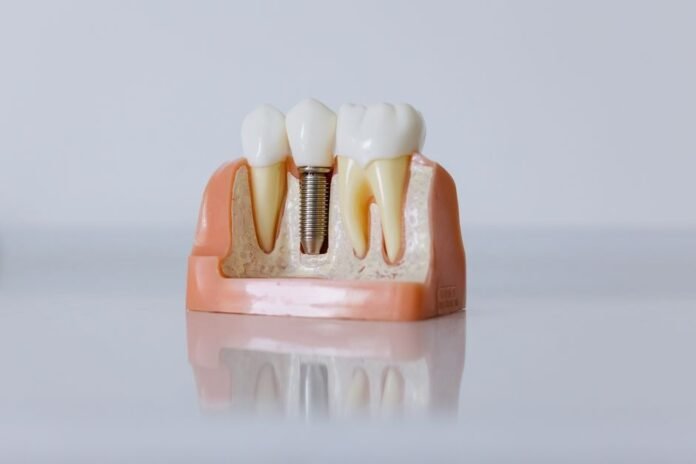
Restorative options can include bridges, dentures, or dental implants. Implants are anchored in the jawbone and can provide a stable approach to replacing missing teeth, although suitability requires professional evaluation.
Treatment involving implants can require assessments, imaging, and additional procedures depending on the condition of the jawbone.
Coordinating orthodontic and restorative planning early can help avoid making one treatment decision that unnecessarily complicates another later.
Pay Attention to Your Bite
Most people notice crooked teeth more quickly than bite problems.
However, orthodontic assessments also consider how the upper and lower teeth relate when the mouth closes. Overbites, underbites, crossbites, open bites, and other alignment concerns can vary considerably in severity.
Not every imperfect bite requires extensive treatment.
The important question is whether the bite is creating functional problems, affecting oral health, contributing to uneven wear, or likely to create concerns over time.
Patients should avoid diagnosing themselves using photographs or online examples. Two smiles that look similar from the front can have very different underlying relationships.
A professional assessment can examine tooth position from multiple angles and consider jaw relationships and function.
Treatment recommendations should then reflect the individual’s actual needs rather than a generic idea of what a smile is supposed to look like.
Function and health deserve at least as much attention as visual symmetry.
Build Oral Health Around Prevention
The most valuable dental treatment is often the problem that never becomes necessary.
Preventive care begins with simple habits: brushing effectively, cleaning between teeth, attending appropriate dental examinations, and responding to symptoms before they become severe.
Dietary habits matter too. Frequent exposure to sugary foods and drinks can increase the conditions that contribute to tooth decay, particularly when oral hygiene is inconsistent.
Protect teeth during activities that create injury risks as well. Sports guards may be appropriate for certain activities, while people who grind their teeth should discuss the issue with a dental professional.
Most importantly, avoid separating orthodontics from general oral health.
A beautifully aligned smile still requires healthy gums, strong teeth, appropriate bite function, and consistent maintenance. Similarly, restorative work does not eliminate the need for preventive care. Dental implants, for example, require ongoing hygiene and professional monitoring just as natural teeth do.
Long-term oral health is built through coordinated care. When alignment, function, gum health, restoration, and prevention are considered together, patients can make decisions that support much more than appearance—they can build a healthier and more functional smile for years to come.