


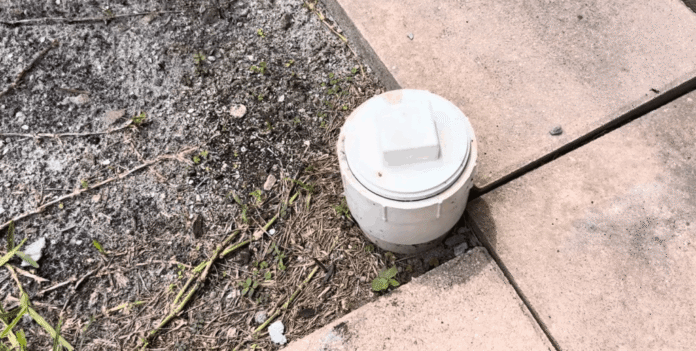
Sewer cleanouts give plumbers direct access to the main drain line, making them important for preventing serious plumbing problems. When these access points are ignored, early warning signs inside the sewer line can go unnoticed until drains slow, toilets bubble, or wastewater backs up into the home. A cleanout inspection helps reveal buildup, root intrusion, pipe damage, or flow restrictions before a major clog forms. This early attention can save homeowners from messy emergencies, expensive cleanup, and avoidable pipe repairs. Regular inspection also helps the entire drainage system work more reliably.
Cleanouts Prevent Bigger Trouble
- Finding Early Blockage Signs Before Backups Start
Plumbers inspect sewer cleanouts before major clogs because these access points can show what is happening inside the main sewer line. A home may still have working sinks, tubs, and toilets while grease, waste buildup, roots, or debris slowly narrows the pipe. By checking the cleanout, a plumber can determine whether flow is smooth or whether pressure is starting to build inside the line. Homeowners working with Plumbers in Philadelphia may benefit from cleanout checks because older properties, dense neighborhoods, and aging drain systems can make sewer issues more disruptive when they are not caught early. Inspection may reveal slow drainage, standing water in the cleanout, odors, or signs that waste is not moving properly. Finding these warnings before a full backup allows the plumber to clear the line in a controlled manner rather than responding after wastewater has already entered floors, tubs, or basement drains.
- Giving Plumbers Safer Access to the Main Line
A sewer cleanout is designed to provide plumbers with a safer, more direct way to access the main drain line. Without a usable cleanout, clearing a clog may require removing a toilet, accessing a roof vent, or opening other fixtures not designed for heavy-duty drain equipment. This can make the job slower, messier, and more disruptive. A cleanout inspection confirms that the cap is accessible, not buried under landscaping, not cracked, and not stuck from years of corrosion or neglect. If the cleanout cannot be opened during an emergency, valuable time may be lost while wastewater continues backing up. Plumbers can also check whether the cleanout is located in a useful position for line cleaning or camera inspection. When the access point is ready before trouble starts, future drain service can be handled faster, cleaner, and with less disturbance to the home.
- Spotting Root Intrusion and Pipe Damage
Cleanout inspections can help plumbers identify signs of root intrusion, pipe cracks, separated joints, or collapsed sections before a complete blockage forms. Tree roots often enter sewer lines through tiny openings, then grow larger as they search for moisture. At first, water may still pass through, but waste and paper can begin catching on the roots. Over time, the line can clog repeatedly or stop draining altogether. A plumber may use the cleanout to run a camera through the pipe and see where roots, breaks, or low spots are located. This is important because repeated snaking may clear the symptom without solving the source. If pipe damage is found early, homeowners can plan repair, root removal, or replacement before the issue becomes urgent. In cases where invasive roots are causing recurring sewer line problems, professional tree removal may also be necessary to prevent further damage and protect the plumbing system. Cleanout access makes this inspection easier and helps plumbers recommend action based on what is actually happening inside the sewer line.
- Reducing Messy Emergency Cleanup
A major sewer clog can create one of the most unpleasant plumbing emergencies in a home. Wastewater may rise through floor drains, tubs, showers, or toilets, damaging flooring, walls, stored items, and personal belongings. Cleanout inspection helps reduce this risk by giving plumbers a chance to find trouble before pressure forces wastewater back into the house. If the cleanout shows standing waste or slow movement, the line can be cleared before the backup reaches interior fixtures. This preventive step can also protect finished basements, laundry rooms, bathrooms, and lower-level living areas where sewer backups often appear first. Emergency cleanup can be costly and stressful because it may involve sanitation, drying, repairs, and replacement of damaged materials. A planned cleanout inspection is much simpler than dealing with contaminated water inside the home. Early service helps keep the problem outside the living space and under better control.
- Helping Homeowners Plan Drain Maintenance
Sewer cleanout inspections also help homeowners understand how often their main line may need maintenance. Some homes rarely experience sewer trouble, while others deal with recurring buildup due to older pipes, tree roots, heavy household use, grease disposal, or pipe slope problems. A plumber can use the cleanout to assess flow conditions and determine whether the line is clear, partially restricted, or at risk of clogging again. This information helps homeowners decide when to schedule drain cleaning, camera inspection, or pipe repair. It also prevents guessing. Instead of waiting for slow drains to become a full blockage, homeowners can follow a maintenance plan tailored to their system’s condition. Cleanout checks are especially useful before buying a home, finishing a basement, adding plumbing fixtures, or after repeated drain problems. A clear maintenance plan protects the sewer line and reduces the need for surprise repairs.
Plumbers should inspect sewer cleanouts before major clogs occur because these access points reveal early warning signs and make mainline service easier. A cleanout inspection can uncover buildup, root intrusion, standing water, pipe damage, or poor flow before wastewater backs up into the home. It also confirms that the cleanout is accessible when urgent service is needed. By checking the sewer line early, plumbers can clear restrictions, guide maintenance, and help homeowners avoid messy emergency cleanup. Regular cleanout attention supports a safer, cleaner, and more dependable plumbing system.