


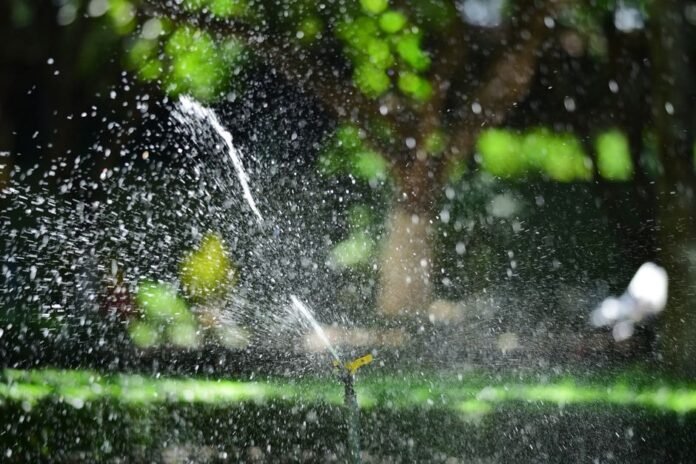
If you live in Gulf Gate Estates, you already know the local mix of heat, humidity, sandy soil, and sudden downpours can make lawn care feel a little dramatic. One week your grass looks lush, the next it starts throwing a quiet tantrum.
Sprinkler issues often sit at the center of that shift. Catching them early can save you water, money, and the headache of figuring out why one patch of your yard suddenly looks like toast.
Small sprinkler problems rarely stay small
A sprinkler system usually fails in a slow, sneaky way. You might notice one corner of the lawn staying soggy while another section turns dull and brittle. That uneven watering pattern often points to clogged heads, broken nozzles, low pressure, or underground leaks.
Ignoring those clues can push a minor fix into a bigger repair bill. Water waste adds up quickly, especially when your system runs several times a week. On top of that, overwatering creates a friendly environment for fungus, weeds, and shallow roots. Your grass may still look green for a while, but it’s coasting, not thriving.
In this scenario, you need to hire a company that offers professional sprinkler repair in Gulf Gate Estates to help you correct the actual issue instead of playing guessing games with your controller.
The warning signs your yard gives you first
Your lawn often spots sprinkler trouble before you do. The trick is knowing what to look for during a normal walk around the yard. Dry circles, muddy spots, water spraying onto the driveway, and sprinkler heads that don’t pop up fully are all classic red flags.
You may also hear problems before you see them. Hissing near a valve box or a strange bubbling sound in the soil can signal a leak. If your water bill suddenly climbs with no obvious explanation, your irrigation system deserves a hard look.
A fast visual check once a week helps more than most homeowners expect. Run each zone for a few minutes and watch the spray pattern. It’s not glamorous, but neither is paying to water your sidewalk. Precision matters with irrigation, and your yard is usually blunt about what’s off.
Why Gulf Gate Estates lawns need a little extra attention
Florida landscapes come with their own rulebook. In Gulf Gate Estates, intense sun, heavy summer rains, and sandy soil can make irrigation systems work harder than they would in milder climates. Sandy soil drains quickly, which means water can disappear before roots get enough of it.
That creates a tricky balancing act. Too little water leaves turf stressed. Too much water washes nutrients down past the root zone and encourages disease. Add in seasonal storms, root intrusion, and normal wear from mowing or foot traffic, and sprinkler components can take a beating.
Homes in established neighborhoods also tend to have mature landscaping, which looks great but can complicate irrigation coverage. Shrubs grow, trees spread roots, and spray patterns that worked five years ago may now be blocked or misdirected. A system that isn’t adjusted over time starts performing like yesterday’s tech: still on, but not exactly sharp.
What you can check yourself before calling a pro
You don’t need to be an irrigation technician to catch a few obvious problems. Start with the controller. Make sure the time, days, and zone settings still make sense for the season. Power outages and accidental button presses can create bizarre schedules that soak your yard at the wrong times.
Next, inspect each sprinkler head. Look for tilted heads, cracked casings, clogged nozzles, and grass growing over the spray. Clean away dirt and debris carefully. If a head is broken or refuses to rise, note the zone and exact location.
You should also check for pooling water after the system shuts off. That can point to a valve issue or a leak in the line. Still, DIY has limits. Digging in the wrong place can damage pipes, wiring, or roots. Once the problem moves beyond a simple cleaning or adjustment, a trained irrigation specialist is usually the smarter call.
What a professional repair visit usually includes
A solid repair appointment is more than swapping out one broken sprinkler head and heading for the truck. A good technician will usually inspect the full system, test pressure, run each zone, and identify whether the visible issue is the main problem or just a symptom.
For example, one dry patch may actually trace back to a valve malfunction affecting an entire zone. A head that keeps leaking could be reacting to pressure problems elsewhere in the system. Smart diagnostics matter because irrigation systems are connected networks, not random parts scattered under your lawn.
During service, you may also get recommendations about coverage, timer settings, rain sensors, or water efficiency upgrades. That broader view helps your yard perform better over time, not just limp through another month. For homeowners who care about curb appeal, healthy landscaping, and manageable utility costs, that kind of tune-up can be surprisingly valuable.
How timely repairs protect your budget and your curb appeal
Sprinkler repairs are easy to postpone because the damage doesn’t always look urgent on day one. A small leak underground won’t wave a flag. It just wastes water quietly while stressing nearby plants and softening the soil around walkways or foundations.
Over time, that neglect can get expensive. You may spend more on your water bill, replace sections of turf, deal with plant loss, or pay for larger plumbing and irrigation fixes later. If you’re preparing to sell your home, patchy grass and struggling landscaping also chip away at first impressions.
A healthy lawn frames the whole property. It makes the exterior look maintained, even before anyone steps inside. Timely irrigation repair supports that visual impact while helping your plants receive the right amount of water instead of a chaotic mix of flood and famine. Your yard doesn’t need perfection. It just needs consistency.
A smarter way to keep your sprinkler system from slipping
The best approach is simple: pay attention before the system forces you to. Schedule seasonal inspections, especially before peak summer heat and after storm season. Test each zone regularly, trim back overgrowth around heads, and update watering schedules when rainfall patterns shift.
You’ll also want to think beyond the grass. Irrigation affects shrubs, palms, flower beds, and even how usable your yard feels. When one part of the system fails, the ripple effect can spread across the whole landscape. A little maintenance keeps those problems from piling up out of sight.
If your lawn has started looking uneven, stressed, or strangely soaked, take that as useful feedback, not random bad luck. In a place like Gulf Gate Estates, a well-functioning sprinkler system isn’t a luxury item. It’s basic infrastructure for a yard that looks good and stays that way.